How to Eliminate Microplastics from Your Home, Room by Room
Rethinking Plastic Use at Home
Plastic is a common presence in most homes, found in food packaging, cleaning products, and even the mattress you sleep on. The widespread use of plastic has raised concerns not only for its environmental impact but also for its potential effects on human health. When plastic utensils are exposed to heat, they can release harmful chemicals into our food. Microplastics, which are tiny plastic particles that may contain toxins, can transfer from plastic chopping boards into our meals. Research has linked microplastics to various health issues, prompting a growing need to reduce plastic consumption.
For many, the journey toward a plastic-free home begins with small, manageable changes. Kate Jones, author of My Plastic-Free Home and owner of The Natural Living Shop, experienced a significant shift during her pregnancy. She became concerned about the impact of plastic on her family's health and decided to make changes. Her initial efforts evolved into an online community and eventually a book filled with practical advice for living without plastic.
Jones encourages others to start slowly, focusing on one change at a time. “Start with one thing that you’d like to change,” she suggests. “When you’re happy with that and it’s become a habit, look for the next change. For a habit to stick and feel good, it shouldn’t feel overwhelming.”
Kitchen Swaps
The kitchen is often where the most disposable plastic is found. Jones recommends using a greengrocer or a veg box delivery service instead of buying plastic-wrapped produce. She also suggests using glass bottles for washing-up liquid refills and opting for dish-soap bars. Wooden dish brushes with tampico bristles are a durable alternative to plastic ones. These brushes may change color over time, which is natural as they will eventually return to the earth.
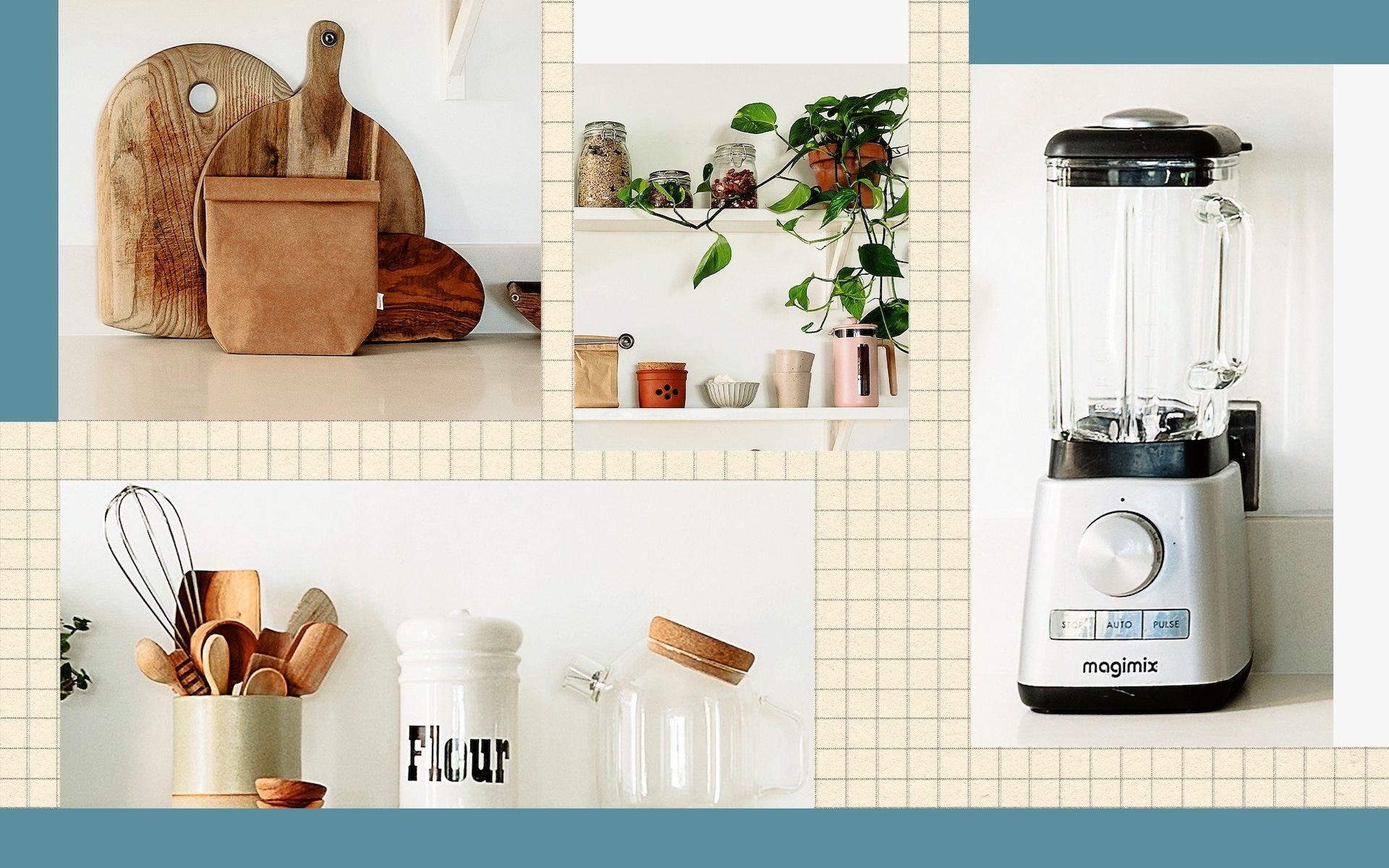
Instead of using cheap sponges that shed microplastics, Jones uses cellulose sponges made from wood pulp. These can be composted after use. She also suggests using wooden or glass chopping boards and swapping plastic food containers for glass ones with bamboo lids. Reusable stainless-steel containers are ideal for carrying food when out and about.
Laundry Room Tips
In the laundry room, Jones emphasizes the importance of choosing natural fibers over polyester, as the latter sheds microplastics during washing. Eco-friendly alternatives include laundry sheets, which are packaged in paper and ideal for travel. She also recommends avoiding synthetic fragrances in laundry scent boosters and using natural bleach, such as percarbonate of soda, for whitening clothes. Air drying clothes is not only cost-effective but also reduces microplastic shedding.
Bathroom Alternatives
The bathroom is another area where plastic can be reduced. Instead of using bleach, Jones suggests using citric acid as a disinfectant and limescale remover. She also makes her own multi-purpose cleaning scrub using liquid soap and bicarbonate of soda, stored in a glass jar. Shampoo bars and toothpaste in aluminum tubes or glass jars are excellent replacements for plastic bottles.
Garden and Bedroom Changes
Starting from seed is a great way to avoid plastic in the garden. Jones uses newspaper pots for seedlings, which can be planted directly into the ground. Natural fertilizers, such as nettle or banana peel solutions, are effective alternatives to commercial plant food.
In the bedroom, switching to natural fiber bedding and mattresses is essential. Polyester sheets and memory foam mattresses can release microplastics, so cotton, linen, or silk are better choices. Mattresses made from natural materials, such as those from Naturalmat, are more sustainable options.
Final Thoughts
While the journey to a plastic-free home may seem daunting, small steps can lead to significant changes. By making thoughtful swaps and embracing sustainable alternatives, individuals can contribute to a healthier environment and a safer home. My Plastic-Free Home by Kate Jones offers valuable insights and practical tips for those looking to reduce their plastic use.

Post a Comment for "How to Eliminate Microplastics from Your Home, Room by Room"
Post a Comment