How Long Does Sugar Stay in Your Body?
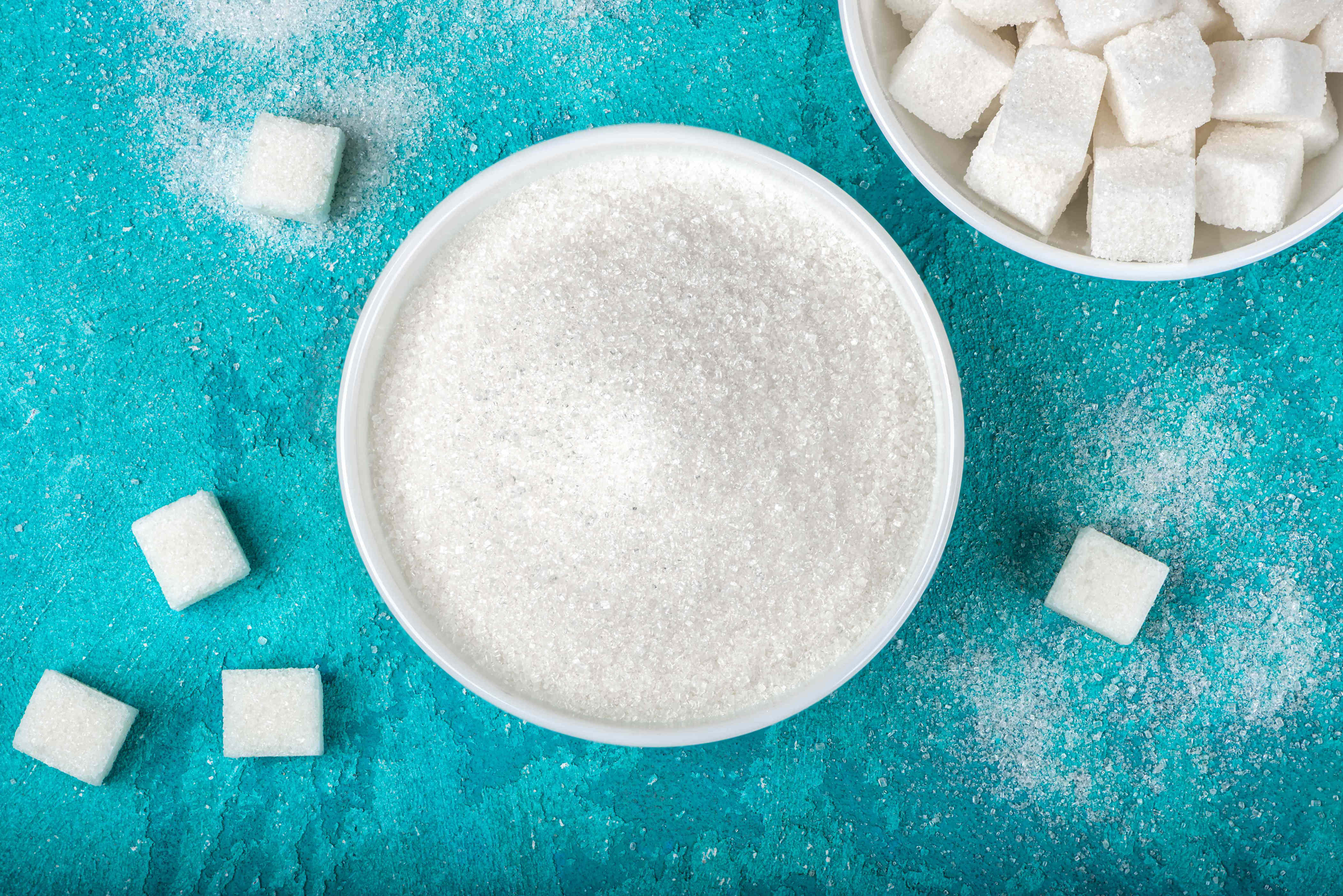
Understanding How Sugar Affects the Body
Sugar, or glucose, is a vital source of energy for the body. However, consuming excessive amounts or eating it too frequently can lead to various health issues. Once ingested, sugar begins to enter the bloodstream within minutes and typically clears from the system within two to three hours, though individual variations exist based on several factors.
What Happens When You Eat Sugar?
When you consume something containing sugar, your digestive system initiates a series of processes:
- Carbohydrates are broken down into a simple sugar known as glucose in the small intestine.
- Glucose is then absorbed into the bloodstream.
- As blood sugar levels rise, the pancreas releases insulin, a hormone that facilitates the movement of glucose from the blood into the cells for energy or storage.
The rate at which sugar enters the bloodstream depends on the type and source of the sugar. For instance, simple sugars found in candies or soda are quickly digested and can cause a rapid spike in blood sugar levels within 15 to 30 minutes. In contrast, carbohydrates from whole foods like whole grains or dairy products are digested more slowly due to their fiber or protein content, resulting in a more gradual increase in blood sugar levels.
How Long Does Sugar Stay in the Bloodstream?
For most healthy individuals:
- Blood sugar levels start to rise within minutes of eating and usually peak about 60 minutes later.
- The body then begins to bring these levels back down, typically returning to baseline within two to three hours after eating.
- This process may take longer if you eat a large meal high in carbohydrates, especially those made up of refined carbs or added sugars.
Individuals with insulin resistance, prediabetes, or diabetes may experience prolonged elevated blood sugar levels. These conditions can affect how efficiently the body processes sugar, leading to extended periods of high blood sugar depending on the type and amount of food consumed, medications, and other health factors.
Where Does the Sugar Go?
Once insulin helps remove glucose from the bloodstream, the body uses it for various functions based on its needs:
- Glucose is either used immediately for energy or stored for later use.
- Some of it is stored in the liver and muscles as glycogen.
- If glycogen stores are full and there is no physical activity to burn energy, excess sugar can be stored as fat. This is why frequent high-sugar intake can contribute to weight gain and metabolic issues over time.
What Affects How Long Sugar Stays in Your System?
Several factors influence how quickly the body processes sugar:
- Meal composition: Meals containing fiber, fat, or protein slow down the absorption of sugar, leading to a slower rise and fall in blood sugar levels.
- Physical activity: Moving your body helps use up glucose more efficiently, lowering blood sugar levels faster.
- Metabolic health: People who are more insulin sensitive process sugar more quickly than those with insulin resistance or diabetes.
- Age and weight: Older adults or those with overweight or obesity may have a slower metabolic response to sugar or be more insulin resistant.
- Stress and sleep: Lack of sleep or high stress levels can impair how the body handles sugar, keeping levels elevated longer.
Can Sugar Be "Flushed Out"?
There is a common belief that drinking water or detoxing can "flush out" sugar. While staying hydrated supports proper kidney function and overall health, it does not instantly remove sugar from the bloodstream. The body needs time to process sugar naturally through the actions of insulin and cellular uptake. However, drinking water, exercising, and eating balanced meals can all support the body’s efforts to regulate blood sugar more effectively. These lifestyle habits can also help prevent sugar from lingering in the system for too long.
How to Help Your Body Process Sugar More Efficiently
If you're trying to balance blood sugar levels, prevent spikes, and reduce how long sugar stays in your system, consider the following tips:
- Eat balanced meals: Pair carbs with protein, fiber, and/or healthy fats to slow digestion and sugar absorption.
- Stay active: A short 10-minute walk after eating can help muscles absorb glucose more quickly.
- Avoid sugary drinks: Sugar from soda or juice is rapidly absorbed, causing sharp spikes in blood sugar.
- Watch portion sizes: Even healthy carbs can raise blood sugar levels if eaten in large amounts.
- Monitor your individual response: If you have diabetes or other blood sugar concerns, check your levels to learn how different foods affect you.
Key Takeaways
Your body starts processing sugar within minutes of eating, and it usually peaks in the blood around 60 minutes, returning to baseline in two to three hours for most healthy individuals. Factors like meal composition, activity levels, metabolic health, and medications affect how long sugar stays in your system. Balanced meals and regular movement help your body process sugar more efficiently and maintain stable blood sugar levels.

Post a Comment for "How Long Does Sugar Stay in Your Body?"
Post a Comment