How Fabrication and Surface Treatment Influence Corrosion in Bioabsorbable Metals
Understanding Corrosion Resistance in Biodegradable Metal Alloys
A recent study conducted by researchers from IMDEA Materials, in collaboration with the Helmholtz-Zentrum Hereon Institute of Surface Science and Meotec GmbH, has provided new insights into the corrosion resistance of magnesium (Mg) and zinc (Zn) bioalloys. This research marks a significant milestone as it is the first to compare the corrosion behavior of these materials when produced through extrusion and additive manufacturing techniques.
The findings offer potential improvements for biodegradable implants, which are designed to degrade within the body after fulfilling their purpose. The study highlights the importance of surface treatments, particularly plasma electrolytic oxidation (PEO), in enhancing the durability of these alloys.
Key Findings from the Study
The research focused on two specific alloys: WE43 magnesium and Zn1Mg zinc. These materials were chosen due to their clinical relevance and potential use in medical applications. The study compared samples manufactured using two different methods: extrusion and Laser Powder Bed Fusion (LPBF).
One of the primary objectives was to evaluate how these manufacturing processes affect the degradation rates of the alloys in a buffered saline solution, which mimics the environment inside the human body. Electrochemical testing was used to measure the corrosion resistance of the samples.
According to the lead researcher, Guillermo Domínguez, this study represents the first time that such a comparison has been made for these particular materials. The results revealed some critical differences between the two manufacturing methods.
Differences in Corrosion Rates
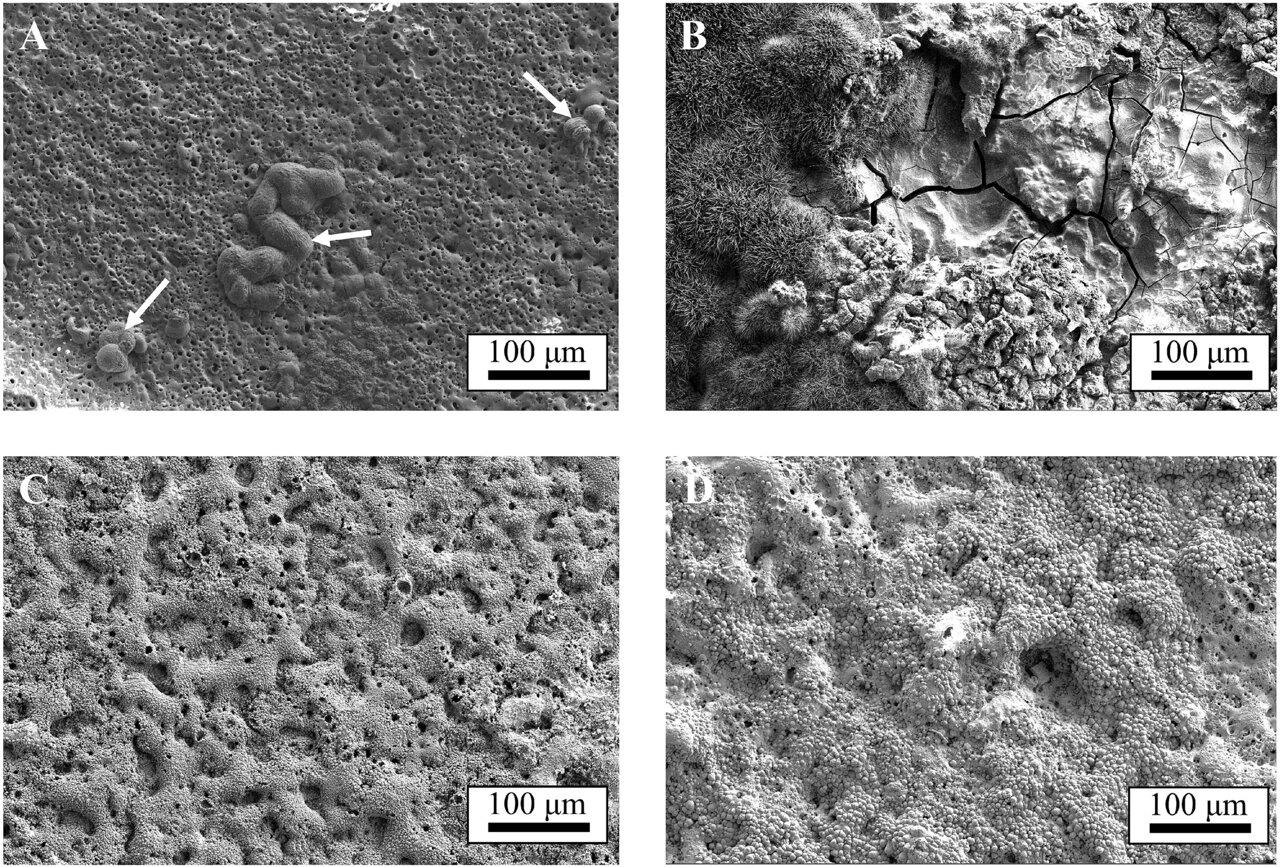
The LPBF-fabricated samples showed a significantly higher rate of corrosion compared to those produced through extrusion. In the case of WE43 magnesium, this increased corrosion was linked to the presence of yttrium oxide particles in the LPBF samples. These particles disrupted the protective layer formed during corrosion, leading to faster degradation.
For Zn1Mg zinc, the accelerated corrosion of LPBF samples was attributed to an increased volume of eutectic phases. Eutectic phases are microstructural features that form when two elements solidify together at a specific ratio and temperature. An increase in these phases creates more interfaces with the zinc matrix, resulting in numerous microgalvanic cells that speed up localized corrosion.
Enhancing Corrosion Resistance with PEO Treatment
To address these issues, the researchers applied a plasma electrolytic oxidation (PEO) surface treatment to the samples. This process forms an oxide layer that improves the corrosion resistance of the materials. According to Domínguez, the PEO treatment significantly enhanced the protective properties of all tested samples.
Interestingly, the results showed that for Zn1Mg, the LPBF samples outperformed the extruded ones after the PEO treatment. However, the WE43 samples treated with PEO still exhibited high corrosion rates. This was attributed to variations in the thickness of the oxide layer.
The difference in performance was also linked to the formation of phosphorus-rich protective layers during the surface modification process. These layers promoted the formation of inert phosphate phases, which helped stabilize the oxide layer and improve corrosion resistance.
Implications for Biomedical Applications
This research underscores the importance of controlling both the manufacturing process and surface treatment of biodegradable metal alloys. By optimizing these factors, scientists can enhance the performance of implants, reduce risks, and improve patient outcomes.
The experimental work was carried out as part of the Horizon Europe BIOMET4D project, coordinated by IMDEA Materials Institute. The samples were fabricated by project partners, Meotec GmbH, while collaboration with Dr. Carsten Blawert's team at the Helmholtz-Zentrum Hereon provided access to advanced electrochemical testing equipment.
Future Directions
As the field of biodegradable metals continues to evolve, further research will be needed to refine manufacturing techniques and surface treatments. The findings from this study provide a foundation for future innovations in biomedical engineering, with the potential to revolutionize the design and functionality of implants.
By understanding the complex interplay between material composition, manufacturing methods, and surface modifications, researchers can develop more effective and safer biodegradable implants for a wide range of medical applications.

Post a Comment for "How Fabrication and Surface Treatment Influence Corrosion in Bioabsorbable Metals"
Post a Comment