How Dangerous Are Ocean Bacteria and When Do They Close Beaches?
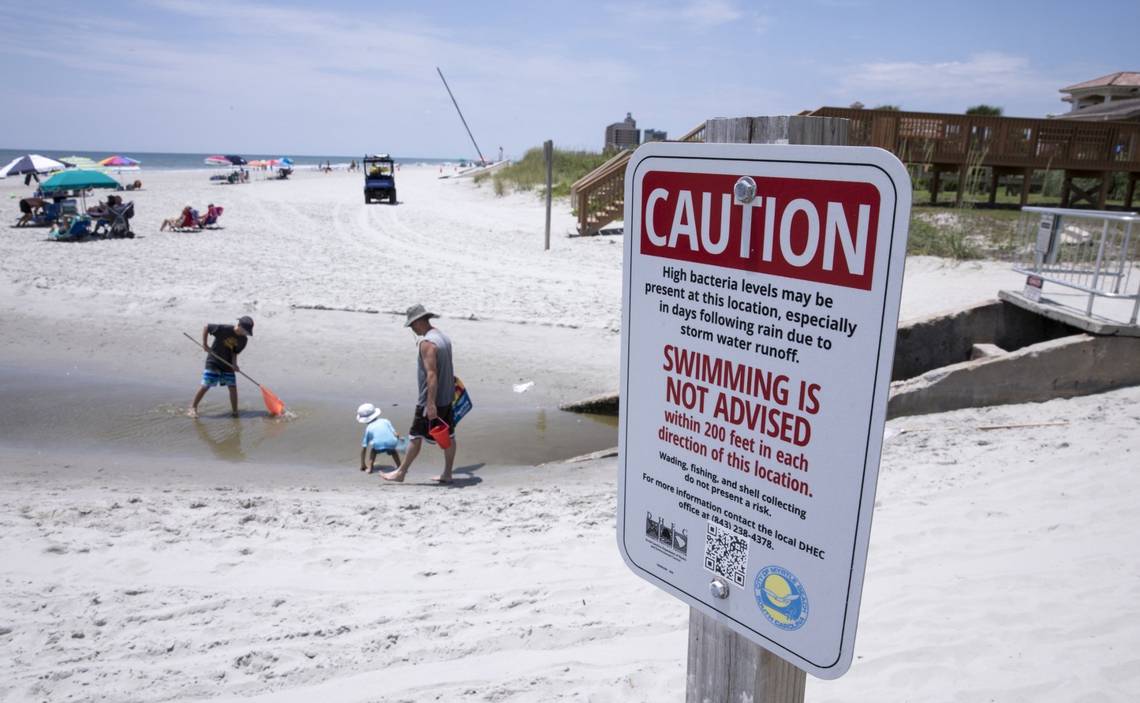
Understanding Beach Water Safety in South Carolina
If you've ever visited a beach in South Carolina and seen a sign warning that swimming isn’t safe, you're not alone. The state takes water quality seriously, especially during the peak summer months when more people are enjoying the coast. To ensure public safety, the South Carolina Department of Environmental Services (SCDES) conducts regular water sampling and testing at 122 beaches across the state, from Cherry Grove Beach to the southern end of Hilton Head Island.
Testing is done twice a month from May through October, but in the Myrtle Beach area, the frequency increases to weekly checks. This helps monitor changes in water quality that could affect swimmers and other beachgoers.
What Exactly Is Being Tested?
The primary focus of these tests is on enterococci bacteria, which are commonly found in the human gut and urinary tract. These bacteria can cause infections such as skin rashes, eye irritation, ear infections, and respiratory issues. In addition to enterococci, other types of bacteria are also monitored:
- E. coli: This bacterium is often associated with gastrointestinal problems like diarrhea, stomach cramps, and vomiting.
- Vibrio: Found in coastal waters, especially during warmer months, Vibrio can lead to diarrhea, nausea, fever, and even wound infections.
These bacteria typically enter the water through various sources, including leaking septic systems, stormwater runoff, sewage overflows, and animal waste. All of these pathways contribute to potential contamination and can lead to beach closures.
When Do Beaches Get Closed?
Beaches are considered unsafe for swimming if the bacteria levels exceed a specific threshold. That threshold is set at 104 MPN/100mL, which stands for the most probable number of bacterial colonies per 100 milliliters of water. Once this level is reached or surpassed, a long-term advisory is issued to reduce the risk of illness for those who visit the beach.
According to the National Oceanic and Atmospheric Administration, common causes of these advisories include heavy rainfall that carries pollution from storm drains, sewage, and chemical spills into the ocean.
Types of Advisories
The SCDES issues two main types of advisories to inform the public about water quality concerns:
Temporary/Short-Term Advisories:
These are issued during the swimming season (May 1 to October 1) when elevated bacteria levels are detected. They are usually triggered by events like heavy rainfall, which can wash pollutants into the ocean. These advisories typically last one to two days.
Long-Term Advisories:
These are placed on specific areas where there is a recurring issue with bacterial contamination. Sources like stormwater runoff or persistent pollution can lead to these advisories, which are reevaluated annually. These advisories may remain in place for longer periods.
It’s important to note that advisories do not mean the entire beach is closed. Activities such as wading, fishing, and collecting shells are generally considered safe.
How to Check for Active Advisories
To find out if there are any active advisories, the SCDES provides a list of affected areas. You can also check the SCDES Beach Guide to see when each beach was last inspected. This information helps visitors make informed decisions about their beach activities and ensures they stay safe while enjoying the coastal environment.

Post a Comment for "How Dangerous Are Ocean Bacteria and When Do They Close Beaches?"
Post a Comment