How Congress's Megabill Will Reshape Idaho: Tax, Medicaid, and SNAP Cuts Explained
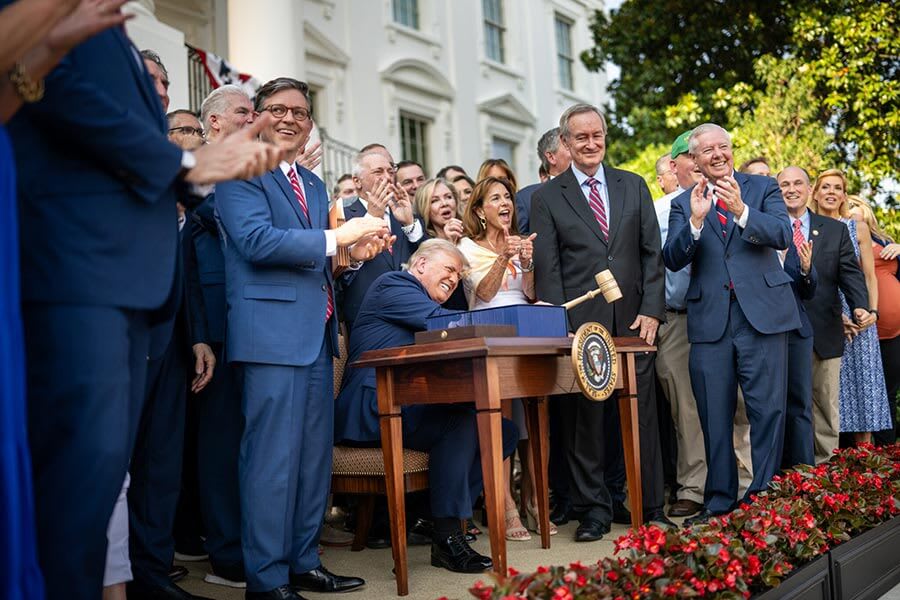
Impact of the New Federal Legislation on Idaho
The recent federal legislation, often referred to as the "Big Beautiful Bill," has sparked significant debate across the United States, particularly in Idaho. This bill includes a wide range of provisions that affect various aspects of life for residents, from healthcare and nutrition assistance to energy production and tax policies. The following sections explore the key areas impacted by this legislation.
Medicaid Cuts and Budget Challenges
One of the most contentious parts of the bill is its impact on Medicaid, a program that provides health coverage to low-income individuals and families. The legislation introduces changes that could significantly reduce federal funding for Idaho’s Medicaid program. According to estimates, this could lead to a $4.3 billion reduction in federal funds over the next decade, potentially affecting up to 40,000 people.
Health policy experts like Hillarie Hagen from Idaho Voices for Children warn that these cuts will force difficult decisions for the state legislature. They suggest that programs may be eliminated or access to Medicaid could be reduced, leaving many without essential healthcare services.
In contrast, Idaho's U.S. Senator Mike Crapo argues that the claims about people being forced off Medicaid are inaccurate. He emphasizes that no one's benefits were cut unless they are non-citizens or registered in multiple states. However, the true impact of the legislation remains to be seen.
Tax Cuts and Their Implications
The bill also includes significant tax cuts, which have been a focal point of political discussion. Republicans argue that these cuts prevent a $3.8 trillion tax increase, benefiting middle- and lower-income families. For instance, the elimination of taxes on tips and overtime is expected to save an average Idaho family of four around $2,600.
However, critics such as May Roberts from the Idaho Fiscal Policy Center argue that the tax cuts disproportionately benefit the wealthy. She notes that top income earners could see tax cuts of over $78,000, while low-income earners might only receive a $20 cut. These small savings could be offset by rising costs due to tariffs, making it challenging for low-income families to benefit.
SNAP Program Changes
Another area affected by the bill is the Supplemental Nutrition Assistance Program (SNAP). The legislation reduces federal funding for SNAP by about 20% over the next decade, potentially impacting millions of people. In Idaho, the state's share of administrative costs for SNAP will increase from 50% to 75%, raising annual costs by $6 million.
While Idaho won't be required to pay for benefit costs under certain conditions, there are concerns that future changes could lead to increased financial burdens on the state. This could result in cuts to other critical programs or even the possibility of opting out of the SNAP program altogether.
Health Insurance and Marketplace Challenges
The bill also fails to extend premium tax credits for health insurance on exchanges. This omission could lead to a surge in insurance premiums, resulting in about 35,00-day Idahans losing their health insurance coverage. Experts like Hagen from Idaho Voices for Children warn that this could lead to a 25% increase in the number of uninsured people in Idaho.
Additionally, the bill ends automatic re-enrollment for marketplace plans, which 62% of enrollees rely on. This change poses a risk for many individuals who may lose their coverage if they don’t actively re-enroll.
Rural Hospitals and Healthcare Access
Rural hospitals in Idaho face potential challenges due to the combination of thousands of people losing health care coverage and constraints on provider taxes. Toni Lawson from the Idaho Hospital Association highlights the difficulties that small, rural hospitals may encounter. Without safety net programs previously in place, hospitals may struggle to absorb increased costs, leading to potential service line closures and reduced access to care for all patients.
Energy Production and Environmental Concerns
The bill also affects energy production, with changes that phase out incentives for large renewable energy projects while lowering royalty rates on gas and oil. This shift could have long-term implications for Idaho, particularly as the state relies heavily on fossil fuels for electricity generation.
Idaho Conservation League Executive Director Justin Hayes expresses concern about the environmental impact of this shift, noting that it could lead to higher electricity costs for consumers. On the other hand, Senator Jim Risch supports the bill's focus on investments in hydropower, geothermal, and nuclear energy, emphasizing the importance of these resources for Idaho.
In summary, the new federal legislation has far-reaching implications for Idaho, affecting Medicaid, tax policies, nutrition assistance, health insurance, and energy production. While some view the changes as beneficial, others express concerns about the potential negative impacts on vulnerable populations and the state's economy. As the effects of the bill unfold, ongoing discussions and evaluations will be crucial in addressing these challenges.

Post a Comment for "How Congress's Megabill Will Reshape Idaho: Tax, Medicaid, and SNAP Cuts Explained"
Post a Comment