How Caffeine Affects Your Blood Pressure
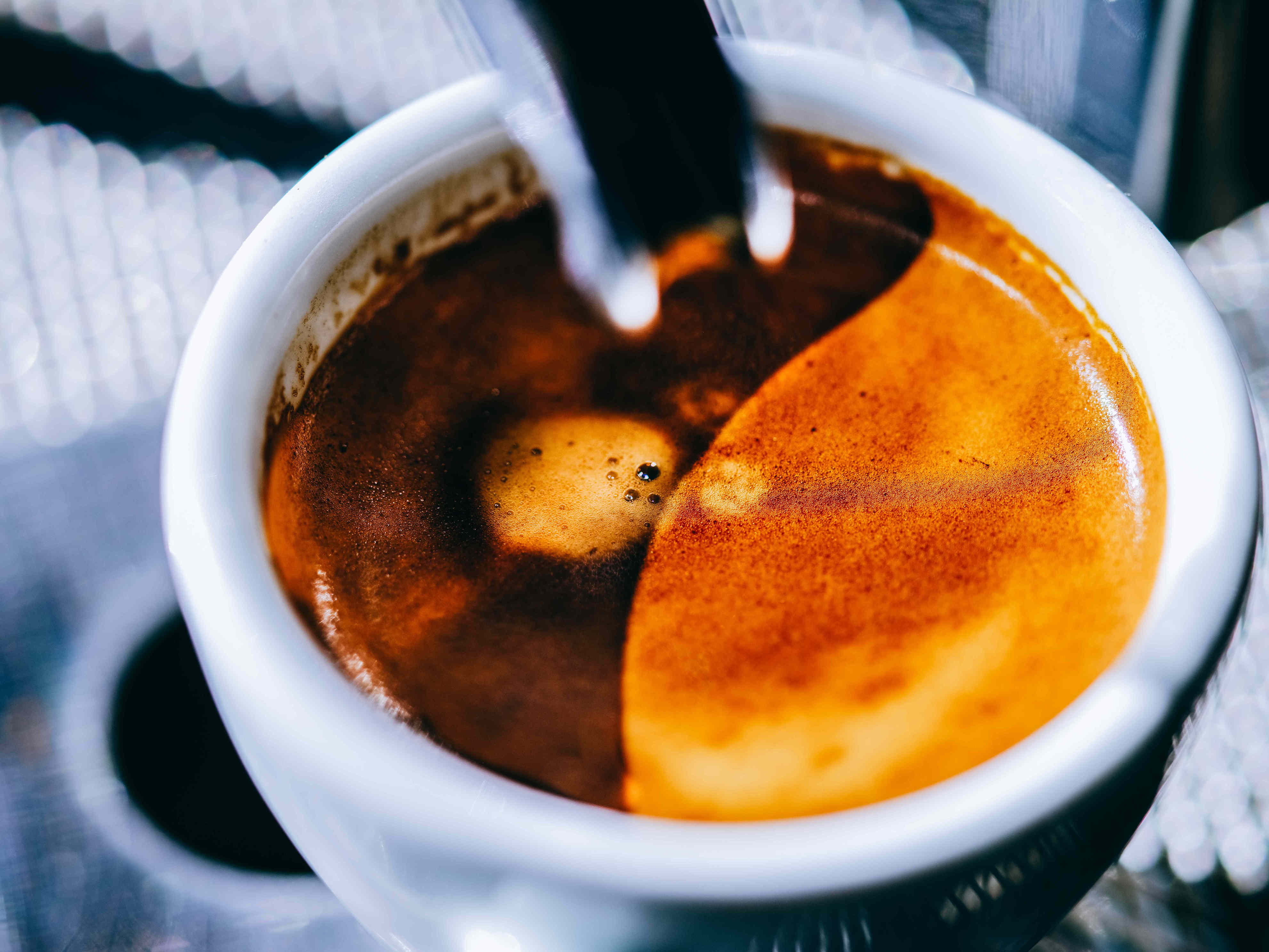
Understanding How Caffeine Affects Blood Pressure
Caffeine, a common stimulant found in coffee, energy drinks, colas, chocolate, and tea, can temporarily elevate blood pressure. This effect is particularly notable even in individuals without pre-existing high blood pressure. The increase in blood pressure occurs due to caffeine's impact on the brain, which triggers a series of physiological responses that lead to the narrowing of blood vessels and a rise in both systolic and diastolic pressures for up to four hours or more.
The Mechanism Behind Caffeine’s Impact on Blood Pressure
Caffeine acts as a central nervous system stimulant by blocking adenosine receptors in the brain. Adenosine is a neurotransmitter that promotes relaxation and sleepiness. By inhibiting adenosine, caffeine enhances wakefulness, improves physical performance, and boosts cognitive function. However, this stimulation also leads to a temporary increase in blood pressure through several mechanisms:
- Increased Neuron Firing: The inhibition of adenosine increases the activity of other neurotransmitters, leading to heightened neuron firing in the brain.
- Endocrine System Activation: The pituitary gland interprets this increased neuronal activity as a distress signal and signals the adrenal glands to release epinephrine (adrenaline).
- Epinephrine Effects: Epinephrine, responsible for the body's "fight-or-flight" response, causes rapid physiological changes such as an increased heart rate and elevated blood pressure.
Duration of Caffeine’s Effect on Blood Pressure
Caffeine has a relatively short biological half-life, which refers to the time it takes for the concentration of caffeine in the blood to reduce by 50%. In healthy adults, this half-life is approximately five hours. However, the effects of caffeine on blood pressure can last longer, depending on individual metabolism. Studies show that:
- Blood pressure begins to rise within 30 minutes of caffeine consumption.
- The peak increase in blood pressure occurs one to two hours after consumption.
- The effects may persist for more than four hours, gradually diminishing as caffeine levels drop below bioactive thresholds.
It's important to note that the duration and intensity of these effects can vary significantly among individuals. Some people may develop a tolerance to caffeine, experiencing little to no increase in blood pressure with regular consumption.
How Much Caffeine Causes a Rise in Blood Pressure?
The impact of caffeine on blood pressure is dose-dependent. Moderate caffeine users, defined as those consuming less than 400 mg per day, typically experience smaller increases. For example, a 300-mg dose of caffeine—equivalent to about two double shots of espresso, three to four cups of brewed coffee, or two cans of some energy drinks—can raise systolic blood pressure by an average of 7 mmHg and diastolic blood pressure by 3 mmHg.
Is Caffeine Consumption Dangerous?
For most healthy adults, moderate caffeine intake does not pose significant risks. However, individuals with severe hypertension should be cautious. According to a 2023 study, people with blood pressure at or above 160/100 mmHg face double the risk of death from a heart attack or stroke if they consume two or more cups of caffeinated coffee daily. Reducing intake to one cup per day can eliminate this increased risk.
Common Sources of Caffeine
The FDA recommends a maximum daily intake of 400 mg of caffeine from all sources. Here are some common beverages and foods containing caffeine:
- Dark chocolate-coated coffee beans: 336 mg per ounce
- 5-Hour Energy Shot: 200-230 mg per 2-ounce bottle
- NoDoz Maximum Strength: 200 mg per tablet
- NOS Energy Drink: 163 mg per 16-ounce can
- Monster Energy Drink: 160 mg per 16-ounce can
- Excedrin Extra Strength: 130 mg per 2 tablets
- Red Bull Energy Drink: 80 mg per 8-ounce can
- Rock Star Energy Drink: 79 mg per 8-ounce can
- Brewed coffee: 75-100 mg per 6-ounce cup
- Espresso: 64 mg per 1-ounce cup
- Anacin Maximum Strength: 64 mg per 2 tablets
- Unsweetened baker's chocolate: 58 mg per ounce
- Black or green tea: 45-75 mg per 12-ounce cup
- Colas: 45 mg per 12-ounce cup
- Dark chocolate: 24 mg per ounce
Who Should Avoid Caffeine?
While there are no absolute contraindications to caffeine use, certain groups should limit or avoid it:
- Individuals with severe hypertension
- People with severe anxiety or epilepsy
- Those with peptic ulcers
- Pregnant women, who should limit intake to 200 mg per day
- Children under 2 years of age, as caffeine can cause anxiety, sleep problems, digestive issues, and increased heart rate
Key Takeaways
- Caffeine can cause mild elevations in blood pressure that last for up to four hours or more.
- For most adults, drinking two to three cups of coffee a day is generally safe, but individuals with severe high blood pressure may face increased risks.
- Experts recommend a daily caffeine intake of no more than 400 mg, with additional restrictions for those with specific health conditions.

Post a Comment for "How Caffeine Affects Your Blood Pressure"
Post a Comment