Homemade Jerky Without a Dehydrator? Yes, It's Easy!
Understanding the Benefits of a Food Dehydrator
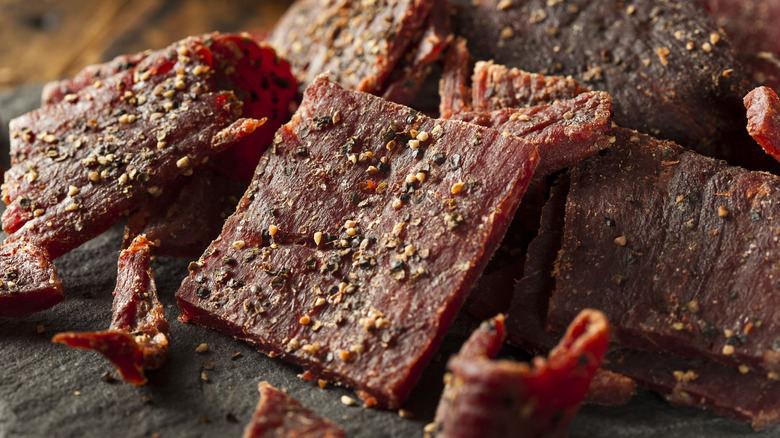
For those preparing for the End Times or simply looking to make the most of their garden's tomato harvest, a food dehydrator can be an invaluable tool. However, if you're short on kitchen space and only plan to use it occasionally for making beef jerky, there may not be a need to invest in one. According to Jon Urbana, owner of Kow Steaks, an online wagyu beef vendor, using your oven as a substitute for a dehydrator is entirely feasible.
Urbana suggests that when making beef jerky in a conventional oven, the sliced and marinated meat should be placed directly on an oven rack. This allows for proper air circulation around each piece, which helps the jerky dry evenly. To achieve this without baking, set the oven to a low temperature—around 180 degrees Fahrenheit—and allow it to cook for approximately five hours. It’s important to check the jerky periodically to ensure it remains slightly pliable and doesn’t become overly dry.
Once the oven-dried jerky is ready, store it in an airtight container to maintain its freshness. Refrigeration is also recommended to prevent mold growth, which could lead to waste. While homemade jerky is more affordable than store-bought versions, it can still be costly due to the high price of the initial ingredients, such as steak, which is then reduced in size during the drying process.
Exploring Other Jerky Options
Although Urbana’s expertise lies in beef, it’s worth noting that jerky isn't limited to just beef. Turkey jerky is a popular alternative, not only because of its catchy rhyme but also because it contains less fat and more protein compared to beef jerky. Making turkey jerky in the oven is just as straightforward as making beef jerky. The best cut for this is tenderloin, which can be easily sliced into strips and prepared using the same method as beef. If the strips are thin (about ⅛ inch), they can be ready in as little as three hours.
Pork jerky is another option, though it's less common than beef or turkey. Commercial varieties are available, and like the other meats, pork jerky can be made at home using an oven. Pork tenderloin is the ideal cut, as it offers a lean portion of meat. Slice, season, and dry the pork strips following the same steps used for beef. For added safety, especially if you're concerned about undercooked pork, you can bake the strips at 325 degrees Fahrenheit for 20 minutes. This step won’t significantly affect the texture but will help eliminate any potential foodborne bacteria.
Additional Tips for Home Cooking
If you’re interested in learning more about food and drink, consider joining The Takeout’s newsletter. Subscribers receive taste tests, updates on food and drink trends, deals from favorite chains, recipes, cooking tips, and much more. Whether you're a seasoned chef or just starting out, there's always something new to discover in the world of food.
By exploring different types of jerky and experimenting with your own recipes, you can enjoy a variety of flavors while making the most of your ingredients. With a bit of creativity and the right techniques, you can create delicious, homemade snacks that are both satisfying and cost-effective.

Post a Comment for "Homemade Jerky Without a Dehydrator? Yes, It's Easy!"
Post a Comment