HFCS vs. Cane Sugar: The Hidden Cost of Ingredient Changes
The Cost of Switching to Cane Sugar
Replacing high-fructose corn syrup with cane sugar may seem like a positive move for consumers, but according to industry experts, it could come with significant financial consequences. High-fructose corn syrup has long been a staple in the U.S. food and beverage industry due to its affordability and availability. However, as some companies consider a shift toward cane sugar, the economic implications are becoming increasingly clear.
According to data from the U.S. Department of Agriculture (USDA), bulk high-fructose corn syrup cost approximately $0.35 per pound in 2025, only slightly rising from $0.27 in 2015. This price has remained relatively stable over the years. In contrast, refined white sugar is priced at $1.01 per pound, which is a substantial increase from $0.61 in 2015. This price difference highlights the cost challenges that come with switching to cane sugar.
In recent news, President Donald Trump claimed that Coca-Cola had agreed to use "real" cane sugar in Coke sold in the United States. He shared this on Truth Social, expressing his gratitude to those involved at the company. “This will be a very good move by them — You’ll see. It’s just better!” he wrote. However, Coca-Cola has not officially confirmed whether it is making this switch. FOX Business reached out to the company for comment.
The decision to use cane sugar instead of high-fructose corn syrup was not always a given. In the 1980s, Coca-Cola switched from using cane sugar to high-fructose corn syrup due to high tariffs on cane sugar. At the time, high-fructose corn syrup was a more cost-effective option because of government subsidies for corn farming. This shift helped reduce production costs and made the product more affordable for consumers.
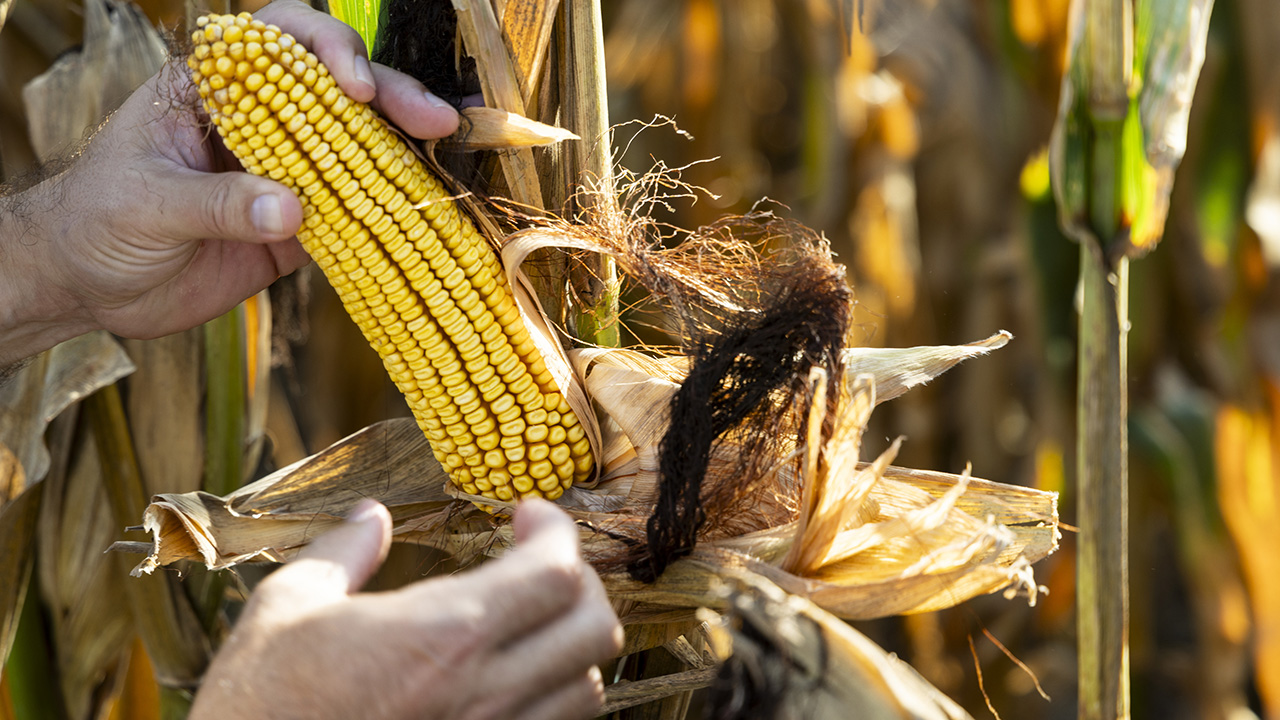
Despite the potential benefits of using real cane sugar, experts warn that there are financial consequences for both consumers and farmers. Bryan Le, a food scientist and principal food consultant at Mendocino Food Consulting, explains that the U.S. produces significantly more corn than cane sugar. Corn is the top crop produced in the country, with most states growing it. This abundance makes it easier and cheaper to convert corn into corn syrup.
On the other hand, cane sugar production is limited. Only three states—Texas, Florida, and Louisiana—produce around 8 billion pounds of cane sugar annually. Additional sources come from Mexico, which faces import tariffs. These factors contribute to the higher cost of cane sugar.
Another challenge is the processing required to transform cane sugar into a white, refined product. According to Le, this process is more complex and energy-intensive compared to producing high-fructose corn syrup from low-cost inputs. “It is much less complex of a process to produce high-fructose corn syrup from many of the possible low-cost inputs available from the corn industry,” he said.
The Corn Refiners Association (CRA) has raised concerns about the economic impact of eliminating high-fructose corn syrup. They argue that this ingredient has been a foundational part of the U.S. food supply for nearly half a century. If high-fructose corn syrup were completely removed, it could lead to a drop in corn prices by up to $0.34 per bushel, resulting in $5.1 billion in lost revenue for farmers.
The association warns that this would create a ripple effect across the economy, leading to job losses in rural areas and significant economic consequences for communities reliant on corn production. The loss of demand for corn refining could result in short-term losses of $13.9 billion, with annual losses eventually reaching between $5.2 billion and $7.5 billion. Farmers could lose between $0.25 and $0.50 per bushel in price premiums alone.
While it remains unclear what Coca-Cola will do, Arun Sundaram, a senior equity analyst at CFRA Research, suggests that the company is more likely to introduce a new product line featuring cane sugar rather than replacing its core lineup. “A cane sugar variant would likely carry a premium price, given the higher cost of natural ingredients. Matching current price points would require a significant increase in U.S. production or imports of cane sugar, a scenario that seems unlikely in the near term,” he said.

Post a Comment for "HFCS vs. Cane Sugar: The Hidden Cost of Ingredient Changes"
Post a Comment