Health insurance premiums may rise 15% or more soon
Rising Premiums and the Impact on Health Insurance
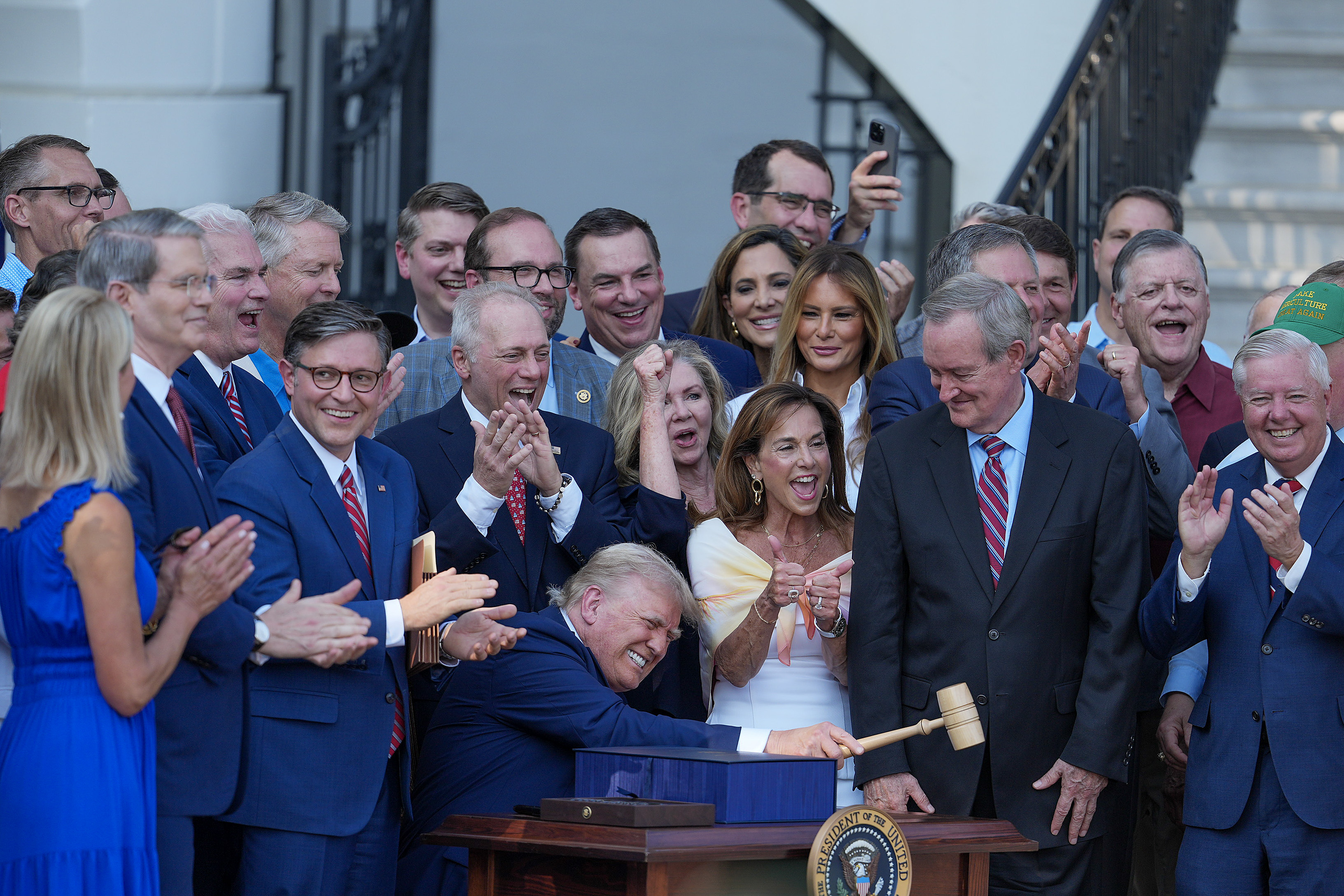
The recent passage of the Republican “big, beautiful bill” has already begun to show its effects on the health insurance market. According to a new analysis, premiums on the Affordable Care Act (ACA) marketplaces are expected to rise by an average of 15 percent next year. This marks a significant increase and is the highest single-year rate hike since 2018. The analysis, which looked at over 100 health insurers offering plans through the ACA marketplaces, also revealed that premium increases could double in 2025.
Experts from the Kaiser Family Foundation (KFF), a leading health policy think tank, report that one out of every four plans is raising its rates by 20 percent or more. While these figures are still preliminary and will be finalized later this summer, they signal a troubling trend for consumers who rely on the ACA for coverage.
What This Means for You
If you purchase health insurance through the ACA marketplaces, you may find your coverage significantly more expensive when you sign up for it next year. For those enrolled in Medicaid, the GOP’s bill introduces new work requirements that will take effect in 2024, potentially putting your benefits at risk. Additionally, if you get insurance through your employer, your premiums could also rise if more people lose coverage due to the changes.
Why Are Premiums Rising?
As Republicans worked on their budget bill, a key question emerged: what would happen to the enhanced ACA subsidies that have been in place since 2021. These subsidies were initially authorized by Democrats as part of their budget reconciliation legislation. They helped lower costs for people already eligible for financial aid and extended assistance to more middle-class families. As a result, marketplace enrollment nearly doubled, reaching 21 million in 2024.
However, the enhanced subsidies were only set to last until 2025. Republicans, who had previously criticized the ACA for making health insurance unaffordable, chose not to extend the subsidies. Instead, they allowed them to expire while cutting Medicaid spending over the next decade and providing large tax cuts for businesses and the wealthy.
There is a possibility that these subsidies could be preserved if Democrats and some Republicans can reach a bipartisan agreement later this year. However, many in Washington are skeptical about such a deal being reached.
Consequences of Lapsed Subsidies
If the subsidies do end, it will add to the burden of other regulatory changes that are limiting financial aid on the marketplaces. Together, these changes could leave an estimated 5.1 million people uninsured. The impact of this loss of coverage will ripple through the system, as healthier individuals are more likely to drop their insurance, leaving a sicker and more costly pool of patients in the marketplace.
Insurers are already factoring in this shift. According to the KFF analysis, many health plans are citing the lapsed subsidies as a reason for the proposed rate increases, with the policy change contributing about 4 percent to the average rate hike. Some plans have also cited the threat of tariffs from the Trump administration as another factor, adding an additional 3 percent to the increase. The remaining portion of the rate hikes is attributed to the ongoing growth in medical service costs, which has been a long-standing issue.
Future Implications
The Republican bill’s changes to Medicaid won’t take effect until the end of 2026, but they could lead to higher premiums if millions of people lose coverage. When individuals lose Medicaid, they are more likely to seek care in emergency rooms, which is more expensive than regular care. These increased costs are ultimately passed on to insured patients through higher payment rates negotiated between hospitals and insurance providers.
Whether consumers will blame the GOP for these cost increases remains uncertain. However, the financial impact of the Republican budget bill is already being felt by many Americans.

Post a Comment for "Health insurance premiums may rise 15% or more soon"
Post a Comment