Health Care Costs Soar Under Affordable Care Act
Rising Health Insurance Costs and the Impact on Americans
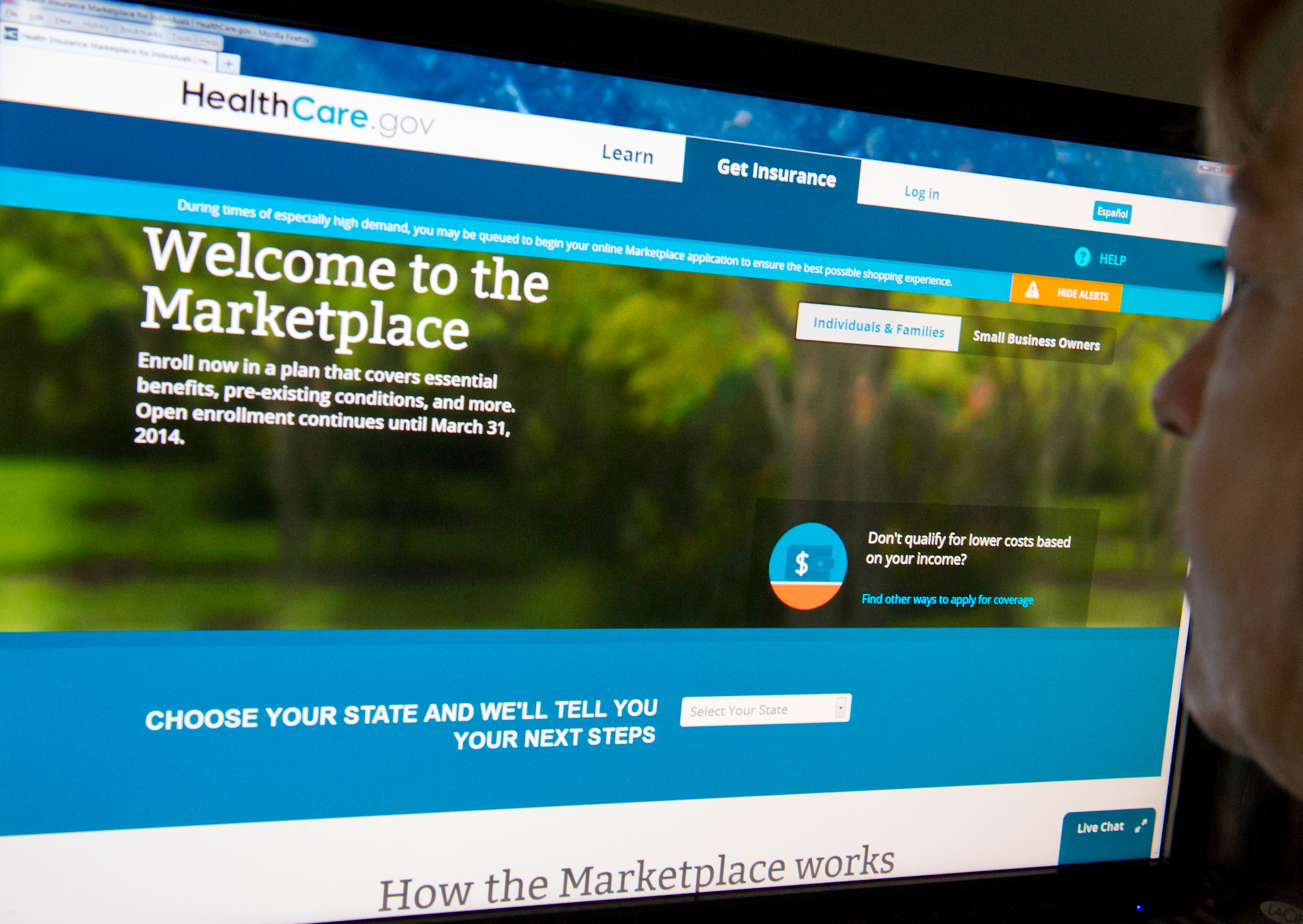
Health insurance premiums for plans sold through the Affordable Care Act (ACA) marketplaces are expected to rise significantly in the coming year. Insurers are proposing double-digit price hikes, driven by several factors including the expiration of federal subsidies and the potential impact of President Donald Trump’s tariffs on pharmaceutical costs.
According to a new analysis conducted by the nonpartisan health policy organization KFF, the median monthly premium increase is projected to be 15 percent. This would represent the largest premium hike in seven years, based on preliminary filings from 105 insurers across 19 states and the District of Columbia. These increases could affect up to 24 million Americans who rely on ACA marketplaces for their health coverage, many of whom have faced affordability challenges due to fluctuating costs over the years.
More than a quarter of the insurers are seeking premium increases of at least 20 percent, a significant jump from last year when only 3 percent of insurers proposed such large hikes. While some insurers may reconsider their proposals, history suggests that many have followed through with earlier plans to raise premiums for marketplace plans.
In addition to the proposed rate hikes, the expiration of extra federal subsidies for purchasing ACA plans at the end of the year will further strain consumers. KFF estimates that the average person buying a marketplace plan would pay 75 percent more for their monthly premium if these subsidies are not extended. These subsidies, which were introduced during the coronavirus pandemic, helped make coverage more affordable for many Americans.
The annual rise in premiums is typically attributed to increasing costs for hospitals, doctors, and medications. However, this year’s proposed increases are also linked to additional factors, such as the rising cost of new weight-loss drugs, labor shortages in the healthcare sector, and the loss of pandemic-era subsidies.
Congressional Republicans have criticized these subsidies and did not extend them in the recent domestic spending and tax legislation known as the One Big Beautiful Bill. Insurers anticipate that without these subsidies, more healthy individuals may drop out of marketplace plans, leaving fewer premium dollars to cover the healthcare expenses of sicker patients.
Middle-income Americans, who earn just enough to no longer qualify for subsidies but cannot afford the full premium, are expected to be the hardest hit. Cynthia Cox, director of KFF’s Affordable Care Act program, highlighted this concern, emphasizing the financial burden on this group.
While steep annual cost hikes for ACA plans are not a new issue, they have been less frequent in recent years as enrollment in the marketplaces has grown. If the proposed 2026 hikes are implemented, consumers could face the largest increases since 2018, according to KFF.
These proposed rate hikes were submitted before the passage of the GOP bill and before the Trump administration finalized stricter rules around marketplace enrollment and eligibility. These new policies could lead to more healthy individuals dropping out of marketplace plans, potentially forcing insurers to raise premiums further.
This week, California and other Democratic-led states announced a lawsuit challenging the new regulations, arguing that they will harm consumers and states. Prominent Democrats have also criticized the insurance premium increases, blaming the new Republican law, which the Congressional Budget Office has stated would reduce enrollment in ACA plans.
Neera Tanden, a former domestic policy adviser to President Joe Biden, wrote on social media that the situation “begins” with the new law. Rep. Greg Casar (D-Texas), chair of the Congressional Progressive Caucus, accused the administration of “stealing from the sick to give tax cuts to the rich,” referring to the tax provisions in the legislation.
As the debate over healthcare costs and policy continues, the impact on millions of Americans remains a pressing concern. The combination of rising premiums, expiring subsidies, and new regulations could reshape the landscape of health insurance for years to come.

Post a Comment for "Health Care Costs Soar Under Affordable Care Act"
Post a Comment