HALT Fentanyl Act Passes; Experts Hope It Slows Overdose Crisis
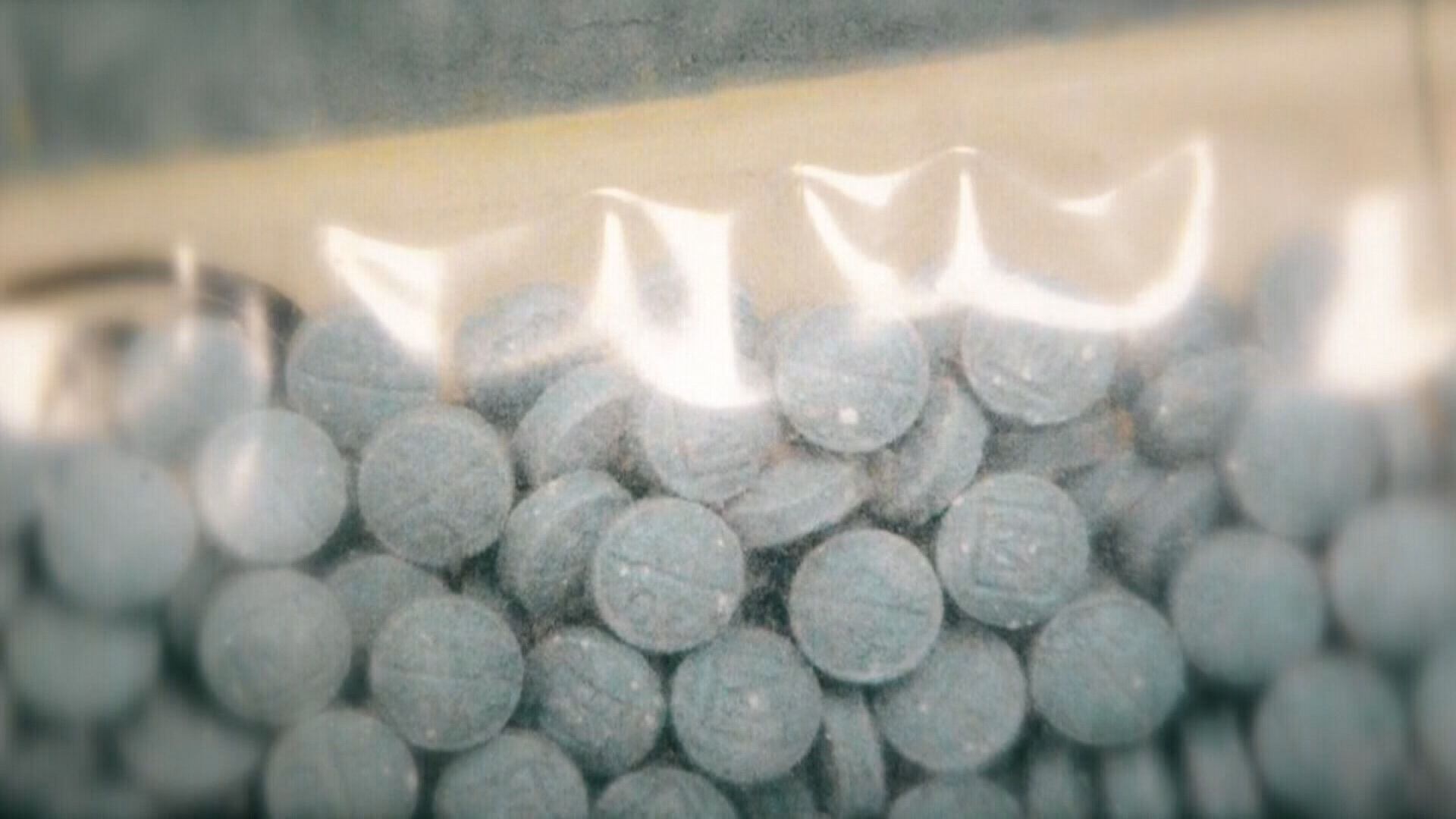
The Fentanyl Crisis and the New Federal Law
The fentanyl epidemic continues to devastate communities across the United States, with thousands of lives lost each year. In response to this growing public health crisis, a new federal law has been enacted to hold more manufacturers and dealers accountable for their role in the distribution of this deadly drug.
This week, President Trump signed the HALT Fentanyl Act, a piece of legislation that was championed by Senator Bill Cassidy of Louisiana. The law aims to address the challenges faced by law enforcement in combating the spread of fentanyl, which has become one of the leading causes of overdose deaths in the country.
“About 60,000 to 80,000 people per year die from drug overdoses, and approximately 70% of those deaths are attributed to fentanyl,” said Cassidy. “This has been the case for nearly a decade, and it’s a problem that affects every community.”
Fentanyl addiction is particularly widespread in Louisiana, where Cassidy represents the state. Edward Carlson, CEO of Odyssey House Louisiana, which provides services to individuals struggling with substance abuse, highlighted the severity of the issue.
“The situation is pretty high here,” Carlson said. “We’ve seen a significant impact from fentanyl, especially in our region.”
According to the National Institute on Drug Abuse, fentanyl is an opioid drug that is synthesized entirely in laboratories, without any natural ingredients. It is often used as a substitute for heroin or morphine, but its potency makes it extremely dangerous, even in small doses.
The newly passed HALT Fentanyl Act permanently classifies fentanyl-related substances as Schedule I drugs under the Controlled Substances Act. This means that any substance that mimics the effects of fentanyl—whether it’s chemically similar or not—will be treated as a controlled substance.
Cassidy explained how the law addresses a major loophole in current drug enforcement efforts. “Cartels will create something that looks like fentanyl, but it’s just slightly different. When they’re arrested, they claim it’s not fentanyl, just a look-alike. The HALT Fentanyl Act changes that. If it acts like fentanyl, kills like fentanyl, then it’s treated as fentanyl in the eyes of the law.”
The senator believes the law will provide law enforcement agencies with stronger tools to combat the distribution of fentanyl. He emphasized the importance of collaboration between federal, state, and local authorities.
“This is a problem that touches all of society, and it’s part of a broader effort to address the opioid crisis,” Cassidy said. “I’m grateful for the support from President Trump and the opportunity to work with local law enforcement.”
Cassidy has visited Odyssey House Louisiana, where Carlson has been working since 2005. He expressed confidence that the new law will have a positive impact on the fight against fentanyl.
“Yes, I believe the HALT Fentanyl Act will make a difference,” Carlson said. “Senator Cassidy’s initiative is going to be very helpful in addressing this issue.”
Carlson also noted some progress in reducing fentanyl-related deaths in New Orleans. “In 2024, there were 293 overdose deaths, compared to 523 in 2023. We also run a large overdose prevention program that has helped save lives.”
However, he stressed that the problem remains severe. “Although our numbers have decreased, Louisiana still leads the nation in deaths per capita from opioid overdoses,” he said.
Efforts to reduce the prescription of opioids by doctors have also contributed to the decline in overdose deaths. “I think that has been very effective,” Carlson said. “Education and awareness have played a key role in this progress.”
Odyssey House Louisiana serves thousands of individuals each year through a comprehensive range of programs, including treatment, recovery support, and outreach. The organization operates throughout South Louisiana and offers care at all levels of need.
For those seeking help, Odyssey House can be reached at (504) 821-9211.

Post a Comment for "HALT Fentanyl Act Passes; Experts Hope It Slows Overdose Crisis"
Post a Comment