HALT Fentanyl Act Passes; Experts Hope It Reduces Overdoses
Addressing the Fentanyl Crisis: A New Federal Law and Local Efforts
The fentanyl crisis continues to devastate communities across the United States, with thousands of lives lost each year due to overdose. In response to this growing public health emergency, a new federal law has been enacted to hold more manufacturers and dealers accountable for their role in the opioid epidemic.
This week, President Trump signed the HALT Fentanyl Act, a piece of legislation that was championed by Senator Bill Cassidy of Louisiana and supported by several other lawmakers. The act aims to address the alarming rise in fentanyl-related deaths and provide stronger legal tools for law enforcement to combat the spread of this deadly drug.
Senator Cassidy emphasized the severity of the issue, noting that approximately 60,000 to 80,000 people die from drug overdoses annually in the U.S., with about 70% of those deaths linked to fentanyl. He explained that this trend has persisted for over a decade, highlighting the urgent need for action.
Fentanyl addiction is particularly prevalent in Louisiana, where it has become a major public health concern. Edward Carlson, CEO of Odyssey House Louisiana, which provides critical services to individuals struggling with substance use disorders, confirmed that the problem is significant in the state.
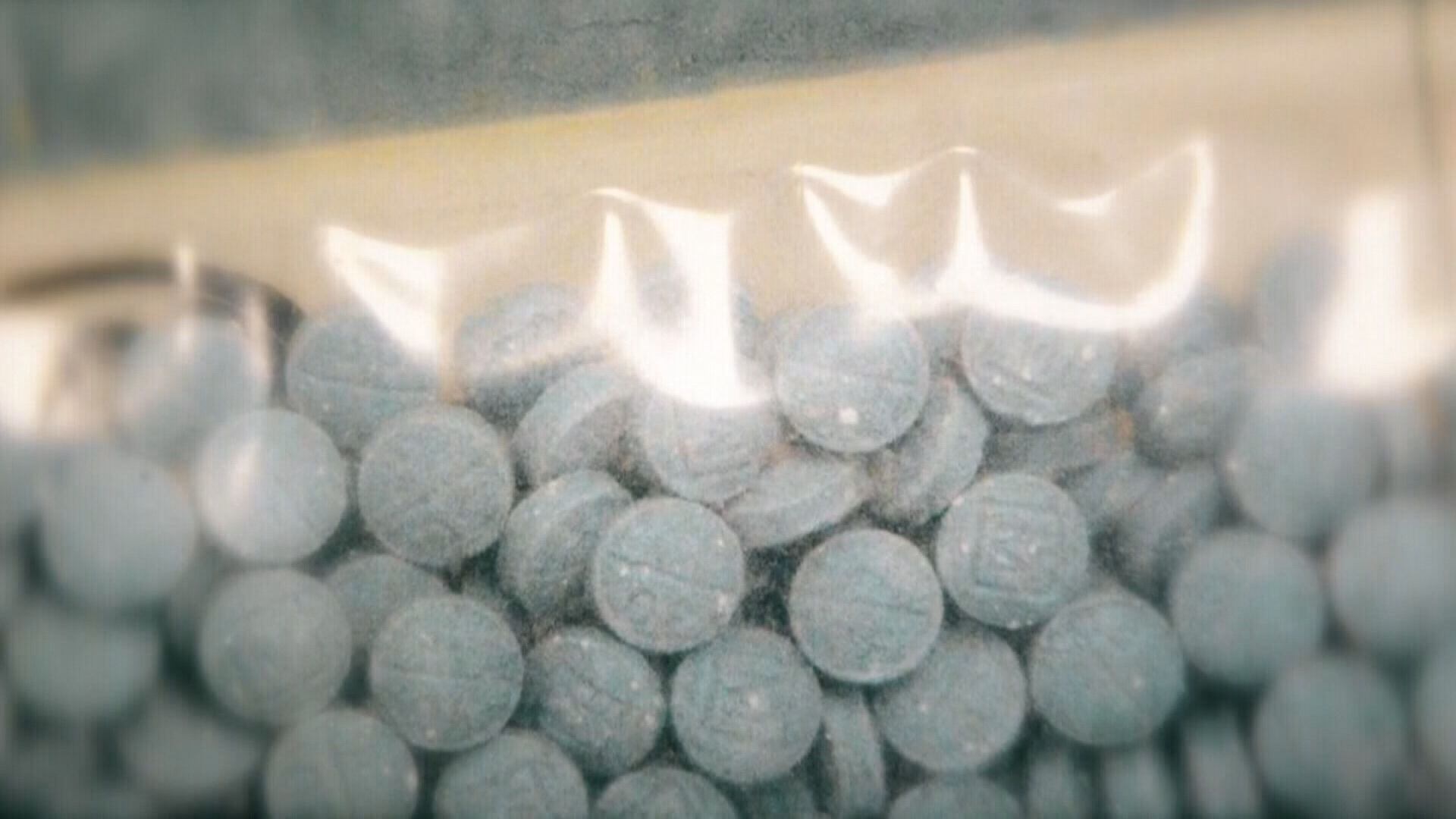
According to the National Institute on Drug Abuse, fentanyl is a synthetic opioid that is manufactured entirely in laboratories, without any natural components. It is significantly more potent than other opioids like morphine or heroin, making it extremely dangerous when misused or abused.
The newly passed HALT Fentanyl Act permanently classifies fentanyl-related substances as Schedule I drugs under the Controlled Substances Act. This classification means that these substances are considered to have a high potential for abuse and no accepted medical use, which can lead to stricter penalties for those involved in their distribution.
Cassidy explained how the law addresses a common tactic used by drug cartels. “They will make something that looks like fentanyl, but it’s just a little bit different. You arrest them, they say wait a second, it’s not fentanyl, it’s a fentanyl look-alike. HALT Fentanyl says if it addicts like fentanyl, if it kills like fentanyl, you go to jail like it’s fentanyl,” he said.
He believes the law will empower law enforcement agencies nationwide to take stronger action against the distribution of fentanyl and its analogs. “This is something which touches all of society and part of an effort again, I just thank President Trump. I’m privileged to work within the local law enforcement,” Cassidy added.
Cassidy has visited Odyssey House Louisiana, and Carlson, who has been running the organization since 2005, sees the law as a positive step forward. “Yes, I do think that it will have an impact. I think that Senator Cassidy’s initiative will be very helpful,” he said.
Carlson also noted some progress in reducing fentanyl-related deaths in New Orleans. For example, there were 293 overdose deaths in 2024, compared to 523 in 2023. Additionally, the organization operates a large overdose prevention program. However, he stressed that much more needs to be done.
“Unfortunately, even though our numbers are down and it’s down nationally, Louisiana still leads the national average in the amounts of deaths per capita,” Carlson said.
Efforts to reduce the prescription of opioids by doctors, including shorter durations of use, have shown some effectiveness. “I think that has been very effective, I think the education is really good,” Carlson added.
Odyssey House Louisiana serves thousands of individuals each year through a wide range of programs across South Louisiana. The organization offers care at all levels, from detoxification to long-term recovery support.
For those seeking help, Odyssey House Louisiana can be reached at (504) 821-9211.

Post a Comment for "HALT Fentanyl Act Passes; Experts Hope It Reduces Overdoses"
Post a Comment