GOP budget endangers rural hospitals in multiple states
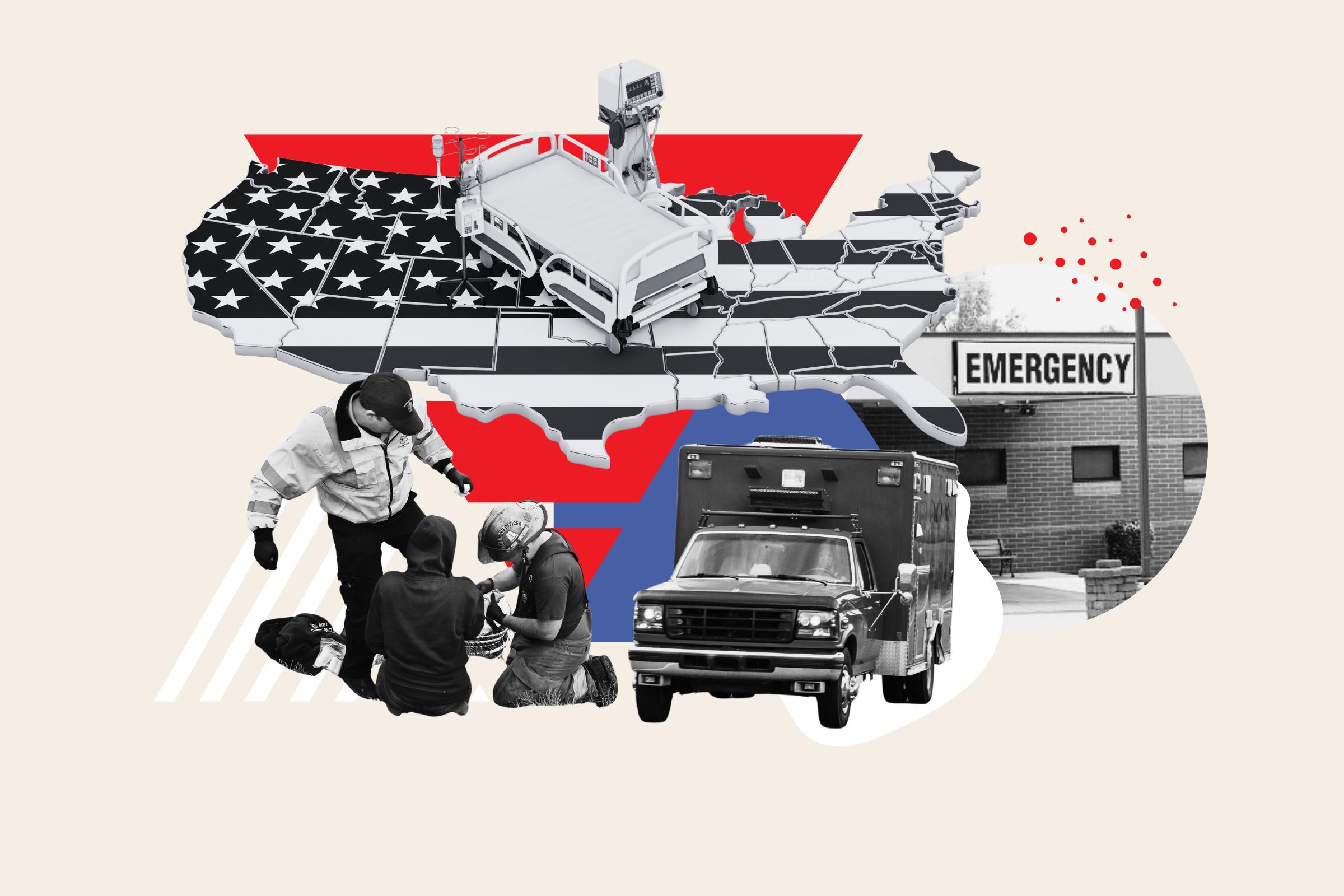
The Impact of Healthcare Spending Cuts on Rural Hospitals
The recent budget bill, often referred to as "Big Beautiful Bill" by former President Donald Trump, has introduced significant healthcare spending cuts that have raised concerns about the future of rural hospitals across the United States. These cuts are expected to place a heavy financial burden on states, potentially leading to the closure of many rural hospitals that are already struggling financially.
The major budget bill is projected to reduce healthcare spending by around $1 trillion over the next decade, with Medicaid facing the largest reductions. This program, which provides health coverage to millions of low-income individuals, is particularly affected by these changes. Nearly half of all rural hospitals in the country were already experiencing financial difficulties before the implementation of these new cuts.
A spokesperson from the Department of Health and Human Services (HHS) stated that while the bill eliminates waste, fraud, and abuse in the system, it also increases Medicaid spending by an additional $200 billion moving forward. HHS remains committed to ensuring that Americans, especially those in rural and underserved communities, can access the care they need when they need it.
How Will the Bill Impact Hospitals?
The reduction in federal matching rates for states that expanded Medicaid, along with broader cuts, will put states in a more challenging financial position. This could lead to reduced services or even hospital closures. Some hospitals may merge with larger systems to survive, but many will look to cut specific services and departments to save costs.
Michael Shepherd, a professor of health management and policy at the University of Michigan, noted that labor, delivery, and obstetrics services are often the first to be cut in rural hospitals due to lower birth rates. Mental health services and intensive care units may also face reductions. He emphasized that most of the hospitals that will close in the coming years are already financially struggling.
The implications of these changes could lead to a nationwide increase in hospital closures. Elizabeth Merwin, executive director of the Center for Rural Health and Nursing at the University of Texas at Arlington, highlighted the need for greater efficiency and increased revenue sources to address these challenges.
Where Could Hospitals Be At Risk Of Closure?
States with the highest percentages of financially struggling rural hospitals include Texas, South Carolina, Louisiana, and Kansas. Additionally, rural hospitals in states likely to experience the largest reductions in rural Medicaid coverage, such as Kentucky, North Carolina, Virginia, Illinois, Ohio, Pennsylvania, Michigan, and West Virginia, may also face significant challenges.
Rural hospitals serving large numbers of older adults, such as those in Northern New England, are at increased risk due to aging populations, higher per-capita reliance on Medicaid, and limited alternative healthcare options. Arkansas, while not experiencing the same level of closures as surrounding states, faces its own challenges with rising personnel and supply costs, stagnant reimbursement, and lower patient volume.
What Does This Mean For Communities?
The closure of more rural hospitals will have far-reaching effects on local communities. These hospitals often serve as hubs for outpatient services, emergency medical services, and home health. Their loss would mean a reduction in access to multiple essential services. Job losses would also impact communities, as these jobs often provide health insurance benefits.
Keith Mueller, a professor of health management and policy at the University of Iowa, noted that losing an acute care access point can lead to poorer health outcomes due to longer travel times for emergencies. Studies have shown that mortality risk increases after hospital closures, largely due to the increased distance patients must travel for medical attention.
Additionally, the loss of hospitals could negatively affect birth outcomes. Patients may delay care or seek treatment at high-cost facilities like emergency rooms, driving up healthcare costs and worsening patient outcomes.
What Options Do States Have?
States have several options to navigate the challenges ahead, including using the $50 billion allocated over five years for various purposes, including payments to rural facilities. However, these options come with their own complexities.
Michael Shepherd suggested that states might attempt to raise more money within the state to bolster their Medicaid programs, though this requires raising taxes in a politically difficult environment. Some states may consider rescinding Medicaid expansion or cutting services, but this could lead to increased uncompensated care costs for hospitals.
Elizabeth Merwin emphasized the importance of cost-effective care to ensure funds are optimally used to meet community needs. There may also be a push for telehealth expansion, allowing patients to access digital care if hospital buildings close. The integration of artificial intelligence into health systems could help optimize scarce resources.
Some states are already taking action, such as maximizing federal matching dollars from Medicaid and boosting Medicaid reimbursement rates. However, without federal support and solutions, population health outcomes for the entire country may suffer.
Local communities will also need to engage in difficult conversations about the extent to which they want to financially support their hospitals to keep care local.

Post a Comment for "GOP budget endangers rural hospitals in multiple states"
Post a Comment