GM gut bacteria show potential in kidney stone trial
The Gut Microbiome and Its Potential in Disease Treatment
The human gut microbiome plays a crucial role in maintaining overall health. It consists of trillions of microorganisms, including bacteria, viruses, and fungi, that interact with the body in complex ways. These microbes influence various systems, from the immune system to the nervous system. Recent advancements in biotechnology have opened new possibilities for leveraging the microbiome to combat diseases. Scientists are now exploring the potential of genetically modifying gut bacteria to address conditions such as kidney stones, which are often caused by excessive oxalate accumulation.
A Promising Approach to Kidney Stone Prevention
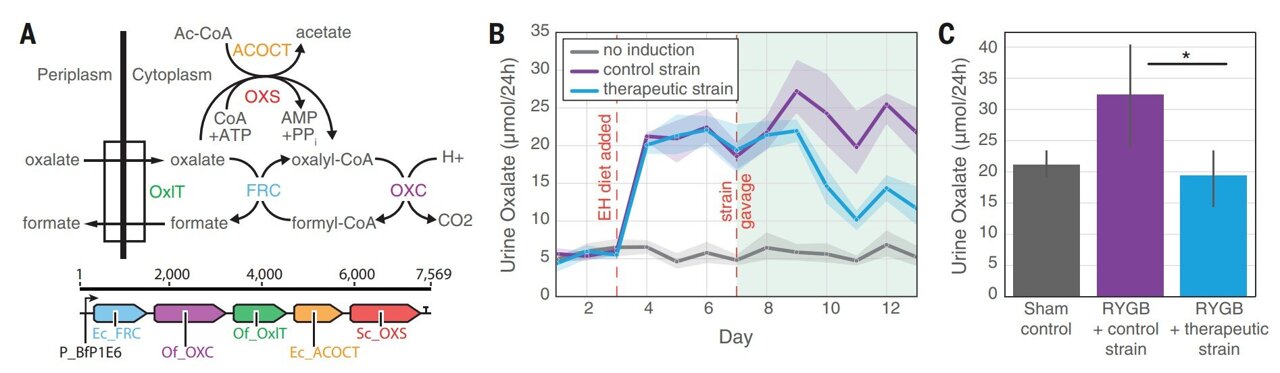
Researchers at Stanford University are investigating the use of genetically modified bacteria to reduce the levels of oxalate in the body. Oxalate is a compound that can form kidney stones when present in high amounts. By modifying specific bacteria found in the gut, scientists aim to create a therapeutic approach that could help prevent or treat this condition.
The study focused on a bacterium called Phocaeicola vulgatus, which naturally resides in the human gut. Scientists modified this bacterium to break down oxalate and consume porphyran, a nutrient derived from seaweed. This modification allowed researchers to control the population of the bacteria by adjusting the amount of porphyran available. If the bacteria ran out of porphyran, they would die off, making it a safe and controllable method of treatment.
Study Design and Results
The research was conducted in three main phases: testing on rats, a clinical trial with healthy humans, and trials with individuals suffering from enteric hyperoxaluria (EH). EH is a condition where the body absorbs too much oxalate from food, leading to an increased risk of kidney stones and other kidney-related issues.
In the first phase, rats with high oxalate intake showed a significant reduction in urine oxalate levels—up to 47%—after being colonized with the modified bacteria. Additionally, when researchers induced EH in rats using a gastric bypass procedure, the results were promising. Rats with the modified bacteria experienced a complete elimination of the increase in urine oxalate that occurred in those with the control strain.
The second phase involved 39 healthy volunteers in a phase 1/2a clinical trial. The study found that colonization of Phocaeicola vulgatus was dose-dependent, meaning that higher doses of porphyran led to higher bacterial populations. In most cases, the bacteria were eliminated when porphyran was removed. However, two participants retained the bacteria even after antibiotic treatment, suggesting that genetic mutations may occur when the modified bacteria exchange genetic material with other microbes in the gut. Fortunately, these mutations did not cause any harmful effects.
Challenges and Future Prospects
The third phase of the study focused on nine individuals with EH. Although the results were not statistically significant, six of the participants showed a 27% reduction in urinary oxalate levels. This suggests that further research with larger sample sizes could yield more conclusive findings.
Additionally, the study revealed that the modified bacteria underwent genetic changes over time, which reduced their effectiveness. Despite this, no adverse effects were reported in the participants. The researchers emphasized that while challenges remain, progress is being made toward developing a viable treatment.
Conclusion and Next Steps
This study demonstrates the potential of engineered gut bacteria as a therapeutic tool. While there are still hurdles to overcome, such as preventing genetic mutations and ensuring long-term safety, the findings offer hope for future treatments. Researchers believe that refining these methods could lead to safer and more effective interventions for a variety of health conditions.
Further studies will be essential to improve the precision and reliability of this approach. With continued innovation and collaboration, the field of microbiome-based therapies could revolutionize the way we treat chronic and complex diseases.

Post a Comment for "GM gut bacteria show potential in kidney stone trial"
Post a Comment