GlacioTex vs Natural Latex: Which Cools Better?
Understanding Cooling Materials in Mattresses: GlacioTex vs. Latex
When shopping for the best cooling mattress, you might come across a variety of materials that sound more like science fiction than practical bedding solutions. Two such materials are GlacioTex and latex, both used to help regulate temperature during sleep. If you're trying to decide which material is right for your needs, it's important to understand what each offers in terms of performance, feel, and value.
What is GlacioTex?
GlacioTex is a man-made fabric composed of fibers with high thermal conductivity. These fibers are typically sewn into the cover of a mattress and designed to pull heat away from the surface of the mattress and, consequently, from your body while you sleep. This makes the fabric cool to the touch, providing a refreshing sensation throughout the night.
In addition to its cooling properties, GlacioTex is hypoallergenic and waterproof, offering protection against spills, dust mites, and bacteria. It’s commonly used in mattress covers by brands such as Helix, Brooklyn Bedding, and Nolah, which are part of the 3Z umbrella.
What is Natural Latex?
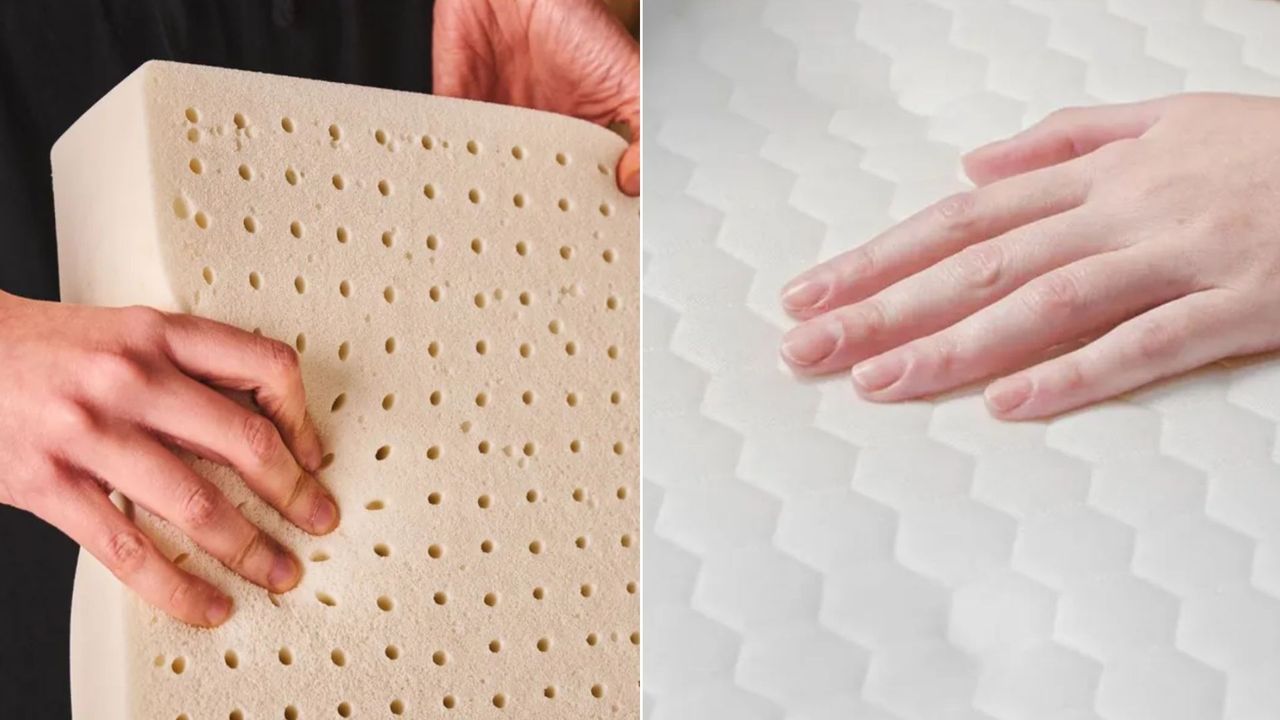
Natural latex is derived from the sap of rubber trees and is processed into an open-cell foam. The production process can result in two main types: Dunlop and Talalay.
Dunlop latex is created by pouring the frothed mixture into a mold, baking it, and then washing and baking again. This results in a denser, firmer foam that offers more support. Talalay latex, on the other hand, is partially filled in a vacuum-sealed mold, allowing the mixture to expand before freezing and baking. This produces a softer, more cushioned feel.
Latex is known for being breathable and responsive, making it a popular choice in luxury and organic mattresses. It is often found in high-end models such as the Birch Luxe Natural Mattress and the Saatva Latex Hybrid Mattress.
Key Differences Between GlacioTex and Latex
Cooling Properties
GlacioTex is actively cooling, meaning it pulls heat away from your body through its high thermal conductivity. This makes it feel cool to the touch immediately. However, its cooling effect is limited to the surface of the mattress.
Latex, on the other hand, is breathable and temperature-regulating. Its open-cell structure allows air to circulate freely, helping to dissipate heat and moisture. This means that the entire mattress remains at a neutral temperature, rather than just the surface.
Design
GlacioTex is typically a blend of polyester and polyethylene with high thermal conductivity fibers woven into the fabric. It is used primarily in mattress covers or toppers to provide a cooling layer.
Latex, in contrast, is used in the support and comfort layers of a mattress. Depending on whether it is Dunlop or Talalay, it can offer varying levels of firmness and responsiveness.
Feel
Latex has a spongy, bouncy feel that provides excellent support and contouring. It is ideal for those who switch positions frequently during the night. GlacioTex, on the other hand, is usually only found in the cover, so it doesn't significantly alter the feel of the mattress itself. Some users have reported that GlacioTex covers can be slippery, making it harder to keep a fitted sheet in place.
Price
Both materials are considered premium options, but they differ in cost. Natural latex is generally more expensive due to its natural production process and widespread use in organic and luxury mattresses. GlacioTex is often available as an upgrade option, with prices starting around $187 for a queen-sized cover. While it is less expensive than latex, it still adds to the overall cost of a mattress.
Which Material is More Effective for Cooling?
While both GlacioTex and latex contribute to a cooler sleep environment, latex is generally considered more effective for long-term temperature regulation. Its open-cell structure allows for better airflow throughout the entire mattress, helping to maintain a consistent temperature. GlacioTex, while effective at providing immediate surface-level cooling, may not be as efficient at managing heat trapped deeper within the mattress.
If you're looking for a material that actively regulates temperature and keeps you comfortable all night, latex is the better choice. For those who prioritize a cool-to-the-touch surface, GlacioTex could be a suitable option, though it may not be as effective for extended cooling.

Post a Comment for "GlacioTex vs Natural Latex: Which Cools Better?"
Post a Comment