Galangal vs Ginger: Can You Swap Them?
Understanding the Differences Between Galangal and Ginger
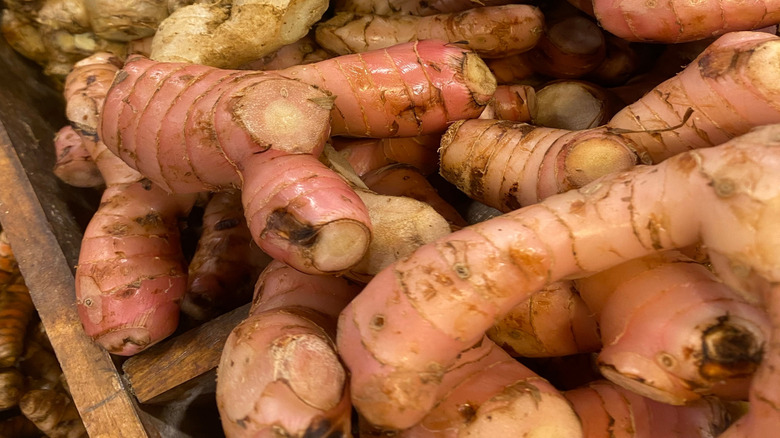
Galangal and ginger are often mistaken for each other due to their similar appearance. Both have a knobby, tuberous root, a brownish outer skin, and pale, fibrous flesh. In fact, galangal is sometimes referred to as "Thai ginger." They also belong to the same family, Zingiberaceae, which includes a variety of aromatic herbs used in Asian cuisines. Both are commonly sliced, minced, or grated into dishes, adding a bold, aromatic flavor. However, despite these similarities, there are enough differences to make substituting one for the other a challenge, depending on the dish you're preparing.
In terms of taste, ginger has a milder profile compared to galangal. It offers a peppery, mildly spicy, subtly sweet, and warming flavor. On the other hand, galangal has a sharper, more citrusy taste with deep, earthy undertones. These distinctions are particularly noticeable in traditional dishes like curries. Indian-style curries often use ginger, while Thai cuisine relies heavily on galangal. This means that using one in place of the other can significantly affect the final outcome of your meal.
When Substitution Is Necessary
If you find yourself in the middle of a recipe and realize you only have one of these ingredients, substitution might be necessary. For instance, if you're making a Thai-style curry but only have ginger, it can still work—especially if you enhance the flavor with additional ingredients. Adding lemon juice can help mimic galangal's citrusy notes, while turmeric and black pepper can add an earthy kick. It's recommended to use three to four times more ginger than the amount of galangal called for in the recipe.
For those interested in exploring galangal, it’s worth checking out local Asian markets or online stores. Products like Soeos' galangal powder offer convenience for use in soups, stews, and teas. In contrast, ginger is more readily available at conventional grocery stores across the United States.
Tips for Cooking with Ginger
When working with ginger, attention to detail is key to achieving the best flavor. The quality of the ginger you choose can greatly impact the final result. A mature root tends to be more fibrous and pungent, while younger roots are milder and more palatable. If fresh ginger is not available, ground ginger can be a good alternative. However, keep in mind that ground ginger is more potent, so a little goes a long way.
Other alternatives for savory dishes include horseradish and wasabi, which can provide a similar warming sensation. However, using galangal in place of ginger may lead to a bolder and more bitter flavor, which could be suitable for certain dishes like stir-fries but less ideal for recipes requiring a delicate balance of flavors.
Making the Most of Ingredient Swaps
When substituting ingredients, it's always best to start with small amounts and gradually adjust the flavors. This approach allows you to achieve a well-rounded meal that meets your taste preferences. Whether you're cooking with ginger or galangal, understanding their unique characteristics can help you make informed choices and elevate your culinary creations. By experimenting and adjusting, you can ensure that your dishes remain flavorful and satisfying, even when substitutions are necessary.

Post a Comment for "Galangal vs Ginger: Can You Swap Them?"
Post a Comment