Fueling the Crisis: Maine Hospitals Worry Over Charity Care Expansion and Medicaid Cuts
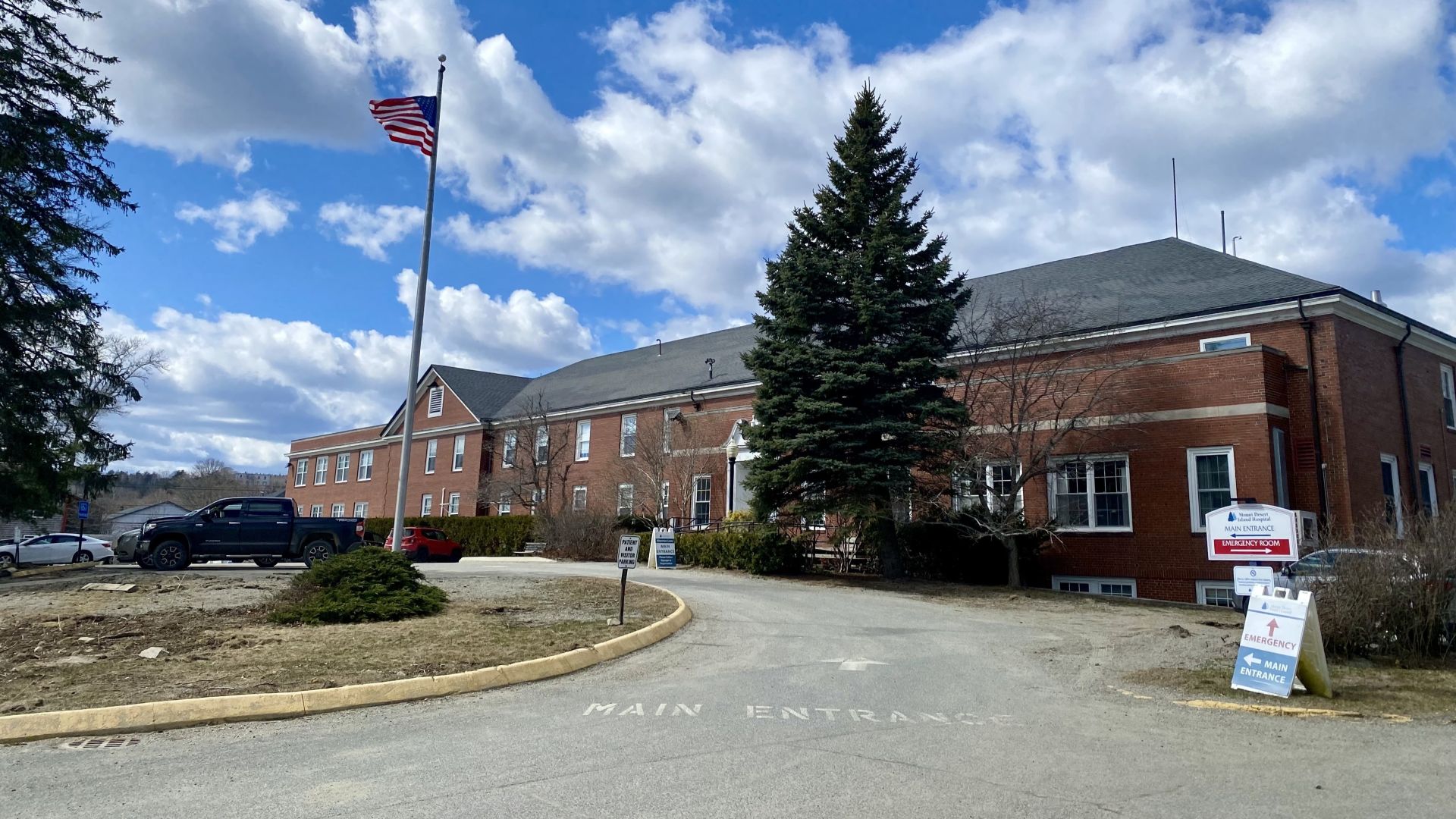
Maine Expands Charity Care Eligibility Amid Federal Medicaid Cuts
Maine has taken a significant step to expand access to free medical care for low-income residents, as the state prepares to face the financial challenges of federal Medicaid cuts. A new law signed by Governor Janet Mills earlier this month is set to increase the number of people eligible for charity care at hospitals across the state. This change is expected to provide relief to those struggling with the high cost of healthcare, but it also comes at a time when federal policies are likely to reduce public insurance coverage for tens of thousands of Mainers.
The law raises the income threshold for free, medically necessary care from 150% of the federal poverty level (which is $23,500 for an individual in 2024) to 200%, or $31,300. It also simplifies the application process and expands the program to all state residents. Additionally, hospitals will be required to inform individuals who qualify for charity care, and they will cap payments for those earning up to 400% of the federal poverty level ($62,600 for an individual in 2025) at 4% of their income.
This shift comes as federal Medicaid cuts are projected to push thousands of Mainers off public insurance over the next few years. The combination of these changes is creating a challenging environment for hospitals, which are already under financial strain. Jeffrey Austin, vice president of government affairs for the Maine Hospital Association, described the situation as “gasoline on the fire,” emphasizing that hospitals are being forced to absorb more of the burden than they should.
Nonprofit hospitals are required by federal regulations to provide some level of charity care to maintain their tax-exempt status. According to health policy research organization KFF, for-profit hospitals often offer similar levels of charity care due to potential tax deductions for these expenses. In 2023, Maine hospitals provided nearly $60 million in charity care, according to a Maine Monitor analysis.
However, the impact of both the new law and the federal Medicaid cuts is causing concern among hospital executives. Paul Bolin, executive vice president and chief people and administrative officer for Northern Light Health, warned that hospitals may need to cut services to manage increased costs. He noted that current expenses already exceed revenue, and adding more costs without additional revenue could further stress the system.
Northern Light Health recently announced it had cut 90 positions by not replacing employees who left and previously closed Inland Hospital in May. Other hospitals are also facing challenges. Central Maine Healthcare is in acquisition talks with Prime Healthcare Foundation of California, while Mount Desert Island Hospital closed its birthing unit this month. Two Aroostook County hospitals have also decided to merge their management for a year to remain viable.
State Senator Rachel Talbot Ross, one of the lawmakers who supported the bill, highlighted the importance of the legislation in reducing the financial burden of medical care for Mainers. She described medical debt as a pervasive issue that often forces people to delay or avoid seeking care. A survey by Consumers for Affordable Health Care found that nearly half of Maine households have medical debt, and nearly a third have been contacted by a collection agency for a medical bill within the past two years.
Despite the benefits of the new law, Maine hospitals have expressed concerns about its financial implications. While charity care makes up about 0.6% of hospital revenue, this amount can have a significant impact given the negative net margin of -0.3% for hospitals last year. Charity care is often combined with bad debt, which refers to cases where hospitals provide services but are never paid. Together, these are known as uncompensated care.
In 2023, uncompensated care at Maine hospitals totaled $218 million. With the anticipated loss of 34,000 MaineCare recipients following recent federal policy changes, this figure could rise significantly. The Center for American Progress estimated that uncompensated care in Maine could increase by $86 million in 2034 due to these changes.
Lisa Harvey-McPherson, vice president of government relations for Northern Light Health, noted that the expansion of MaineCare in 2017 helped reduce uncompensated care costs. However, with federal Medicaid cuts now in effect, she expects costs to rise again. The state’s new law expanding charity care could exacerbate this trend.
Northern Light Health reported approximately $12.1 million in charity care and $26 million in bad debt last year. Harvey-McPherson emphasized that the interplay of state and federal legislative actions makes it difficult to predict the exact impact, but the cumulative effect could be significant. She warned that the uncertainty introduced by these changes could have a negative impact on Maine's already fragile healthcare infrastructure.

Post a Comment for "Fueling the Crisis: Maine Hospitals Worry Over Charity Care Expansion and Medicaid Cuts"
Post a Comment