Four Dead from Rare Flesh-Eating Bacteria in Florida Beaches
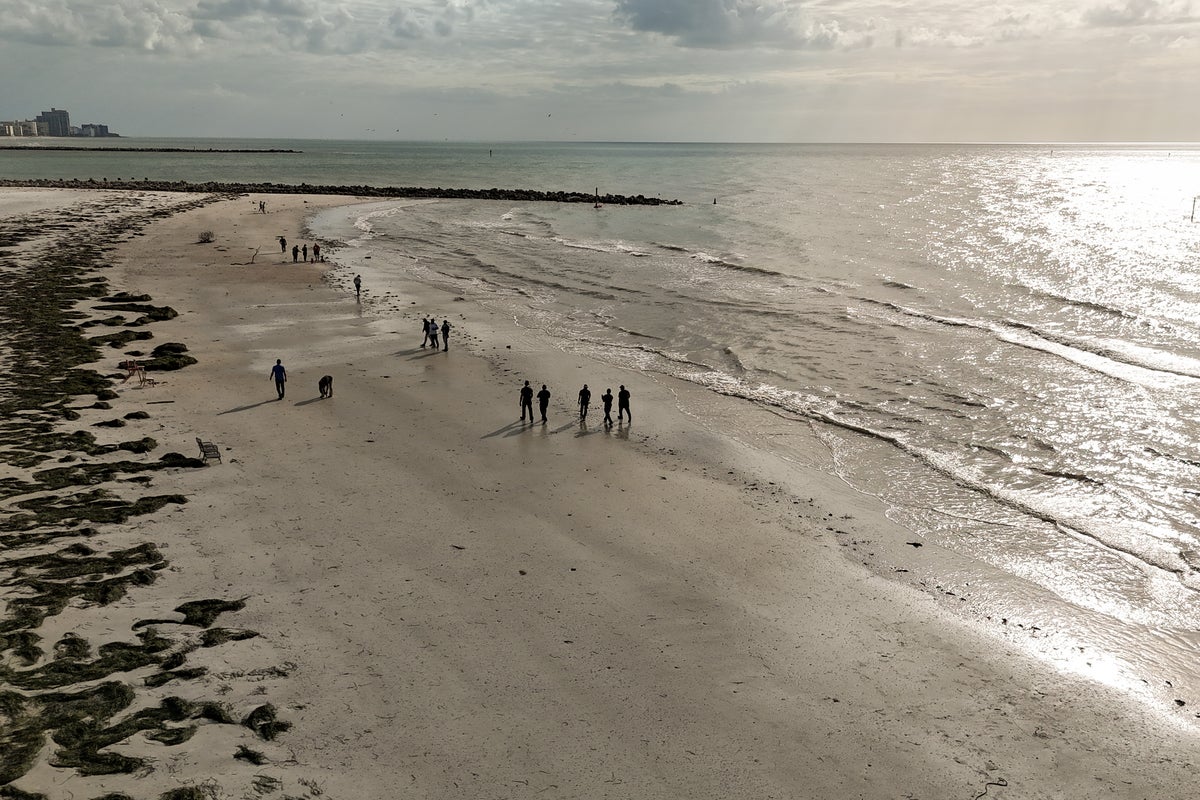
Rising Threat of Flesh-Eating Bacteria in Florida
Florida has experienced a concerning increase in cases linked to a dangerous bacteria known as Vibrio vulnificus, which can cause severe and sometimes fatal infections. This year alone, four deaths have been reported in connection with the bacterium, according to state health authorities. The infections have primarily occurred in Central Florida’s Bay, Broward, Hillsborough, and St. Johns counties, with a total of 11 confirmed cases.
Dr. Daniel Egan, an infectious disease specialist at Orlando Health, explained that Vibrio vulnificus is naturally found in brackish seawater, particularly in saltwater environments. “There's a lot of bacteria that just live in different areas, even in, like, waterborne spots,” he said. “So there's fresh water, salt water, and this bacteria called Vibrio vulnificus likes salt water.”
Infections from this bacterium are rare but can be life-threatening, especially for individuals with weakened immune systems. The bacteria often enters the body through open wounds or by consuming raw shellfish, particularly oysters from warm coastal waters. For most healthy people, exposure may result in mild symptoms such as vomiting, diarrhea, fever, chills, and disorientation. However, when the bacterium invades the bloodstream, it can lead to more severe complications, including septic shock, skin lesions, and even necrotizing fasciitis—a condition where the flesh around an open wound dies.
Immediate treatment with antibiotics and proper wound care is essential to prevent serious outcomes. According to the Centers for Disease Control and Prevention (CDC), about 50% of infections that enter the bloodstream are fatal, with one in five patients dying within just a few days.
A Growing Public Health Concern
The number of Vibrio vulnificus cases has been increasing over the years, reaching record levels last year. The Florida Department of Health reported 19 deaths and 82 cases in 2023, marking a significant rise compared to previous years. The situation was further exacerbated by late-season hurricanes that hit Florida and the Southeast, leading to a sharp increase in infections.
Following Hurricanes Milton and Helene, cases more than doubled as saltwater flooded inland areas, exposing people to contaminated water they would not typically encounter. Dr. Kami Kim, director of infectious disease at Tampa General Hospital, noted that storm surges can also contaminate freshwater sources such as rivers and lakes, creating new pathways for the bacterium to spread.
Climate change is playing a major role in the rising threat. Warmer temperatures contribute to stronger and more frequent hurricanes, as well as higher sea surface temperatures. These conditions create a more favorable environment for Vibrio vulnificus to thrive. According to the Department of Agriculture, the economic impact of these infections is expected to grow significantly, rising from nearly $2.6 billion in 1995 to a projected $6.1 billion by 2090.
Preventing Exposure and Managing Risk
To reduce the risk of infection, experts recommend avoiding raw shellfish and keeping open wounds away from warm salt or brackish water. Wearing protective clothing such as gloves can also help minimize exposure. However, despite these precautions, the problem is unlikely to disappear soon.
A 2023 study conducted by researchers at Florida Atlantic University found that Vibrio pathogens are adapting to stick to microplastics in the water. Additionally, they can combine with the smelly sargassum blooms that frequently wash up on Florida’s shores. These developments pose new challenges for public health officials and environmental scientists.
Mia McCormick of the non-profit group Environment Florida highlighted the growing issue of plastic debris in the water, particularly after hurricane events. “Think of all the plastic debris that just went into the water because of the hurricanes,” she said.
As the climate continues to change, the risk of Vibrio vulnificus infections is expected to rise. Public awareness, improved surveillance, and proactive measures will be crucial in mitigating the impact of this dangerous bacterium.

Post a Comment for "Four Dead from Rare Flesh-Eating Bacteria in Florida Beaches"
Post a Comment