Flood Zones Face Surge in Infectious Diseases
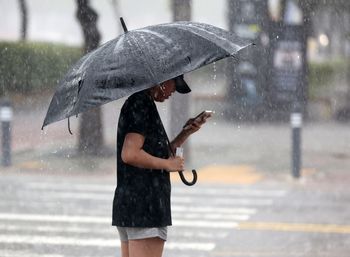
Rising Health Risks in Flood-Affected Areas
As heavy rains continue to affect various regions, the risk of infectious diseases in flood-affected areas is increasing. The Korea Disease Control and Prevention Agency (KDCA) has issued a warning to the public, urging them to take precautions against infections caused by exposure to or consumption of contaminated water and food in disaster-stricken regions.
Waterborne diseases such as acute gastroenteritis, hepatitis A, bacillary dysentery, and typhoid fever can occur when people drink or eat contaminated water or food. These illnesses are particularly concerning in areas where flooding has disrupted normal sanitation and water supply systems.
Increased Cases of Bacillary Dysentery
This year has seen an increase in cases of bacillary dysentery. Between January and June last year, there were 20 reported cases, but this year, the same period saw 34 cases. The disease spreads through contaminated water or food, as well as direct or indirect contact with infected individuals. Symptoms include high fever, nausea, vomiting, cramping abdominal pain, diarrhea (with blood or mucus), and tenesmus. While mild cases typically resolve within four to seven days, severe cases can last up to a month. Without proper treatment, the fatality rate ranges from 10 to 20 percent.
Hepatitis A Cases Remain Relatively Stable
Hepatitis A cases have shown a slight decrease this year, with 631 cases reported from January to June, compared to 682 cases during the same period last year. However, the KDCA continues to monitor the situation closely.
Preventive Measures Against Waterborne and Foodborne Diseases
To prevent waterborne and foodborne diseases, the agency recommends several key measures:
- Wash hands with soap for at least 30 seconds before and after food preparation and meals.
- Drink only safe water, preferably bottled or boiled.
- Consume thoroughly cooked food.
Individuals experiencing symptoms like diarrhea or vomiting, or those with open wounds on their hands, should avoid handling food. Any food that has come into contact with contaminated water or has been left unrefrigerated for more than four hours should be discarded.
Additional Health Concerns
People should also be cautious about other diseases, including leptospirosis, epidemic keratoconjunctivitis, acute hemorrhagic conjunctivitis, and contact dermatitis.
Leptospirosis is transmitted through water or soil contaminated by the urine of infected rodents, cattle, pigs, or dogs. About 10 percent of wild rats carry the bacteria. During periods of heavy rain or flooding, the bacteria can enter the body through wounds in the skin upon water contact. Symptoms resemble the flu, including sudden fever, chills, conjunctival swelling, headache, muscle pain, nausea, and vomiting. In 5 to 10 percent of cases, the illness can become severe and life-threatening. Without appropriate treatment, the fatality rate can reach 5 to 15 percent.
Eye Infections and Respiratory Risks
Cases of eye infections have been decreasing recently, but the KDCA warns that high humidity during the rainy season creates favorable conditions for adenoviruses that cause these illnesses. For those participating in recovery efforts in flooded areas, the agency advises wearing waterproof protective clothing, rubber boots, and gloves to avoid skin exposure, especially if they have open wounds or abrasions.
It also emphasizes the importance of staying hydrated and taking breaks during recovery work, as well as thoroughly washing any exposed skin with clean water afterward.
For individuals staying in temporary shelters or evacuation centers, the KDCA warns of an increased risk of respiratory infections and recommends frequent hand washing and regular ventilation as preventive measures.

Post a Comment for "Flood Zones Face Surge in Infectious Diseases"
Post a Comment