FDA Panel Rejects PTSD Drug Combination
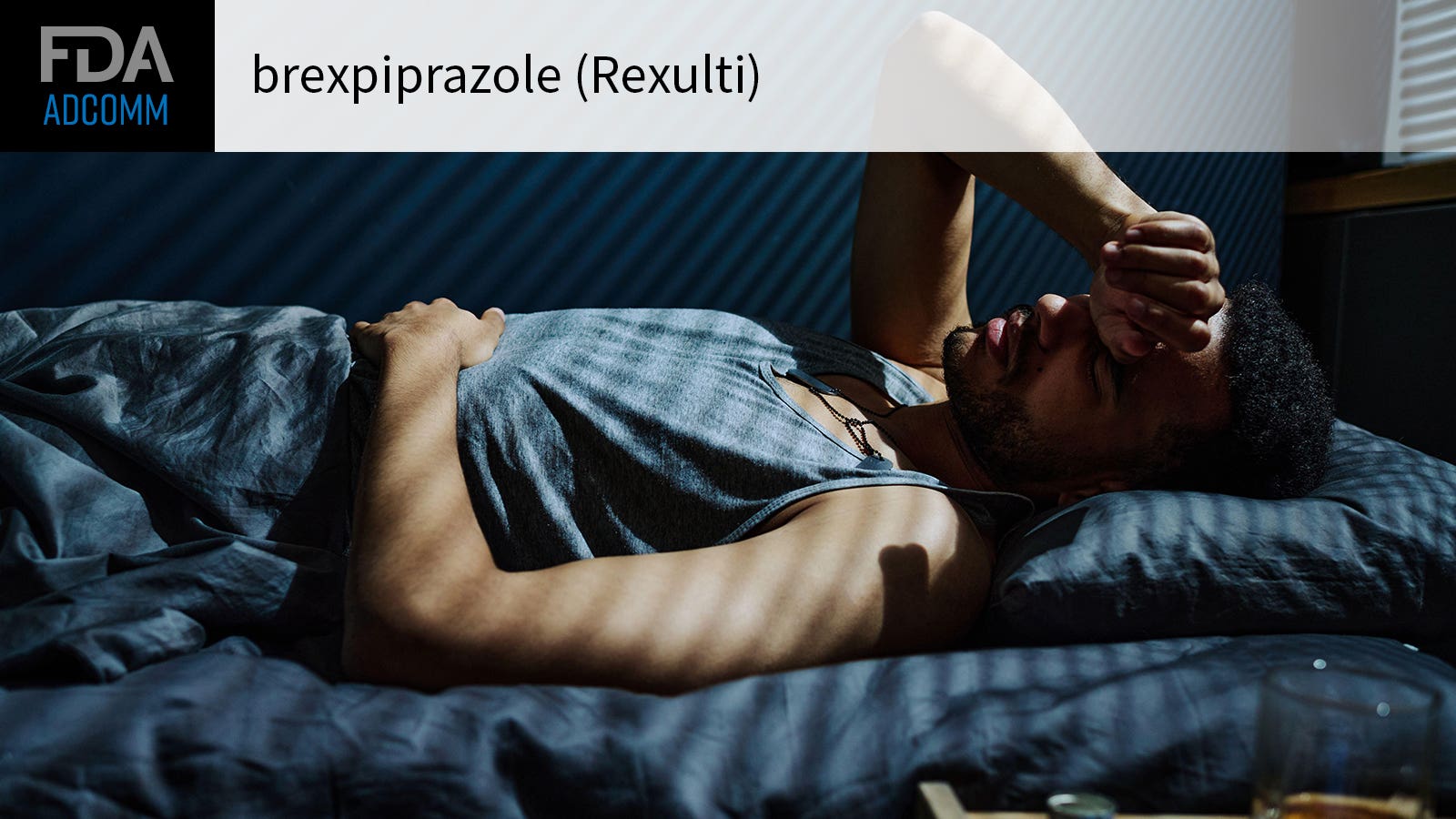
FDA Advisory Committee Questions Efficacy of Brexpiprazole for PTSD
The U.S. Food and Drug Administration (FDA) faced a critical decision regarding the use of brexpiprazole (Rexulti) as an adjunctive treatment for post-traumatic stress disorder (PTSD). A recent meeting of the agency’s Psychopharmacologic Drugs Advisory Committee highlighted significant concerns about the drug’s effectiveness when combined with sertraline, a commonly used selective serotonin reuptake inhibitor (SSRI) for PTSD.
During the meeting, the committee voted 10-1 against endorsing the drug for this indication. The vote came after reviewing data from Otsuka Pharmaceutical, which included one positive phase III trial, one negative phase III trial, and a phase II study. However, the panel found that the evidence did not meet the FDA’s standard of requiring two well-controlled studies to establish efficacy.
Dr. Jess Fiedorowicz, from the University of Ottawa in Ontario, emphasized that the data package failed to meet the necessary benchmarks for approval. He noted that even if the drug showed some benefit, it would need to represent a major advancement in treating PTSD to warrant approval.
Dr. Walter Dunn, a member of the committee from the University of California Los Angeles and the West Los Angeles VA Medical Center, expressed skepticism about the clinical significance of the results. He pointed out that the difference in symptom improvement between the combination therapy and placebo was only 5.6 points on the Clinician-Administered PTSD Scale for DSM-5 (CAPS-5), which measures the severity of 20 PTSD symptoms. This scale ranges from 0 (not present) to 80 (most severe).
Dunn also questioned whether the combination therapy should be considered a standard treatment option, especially for populations like veterans who may not be treatment-resistant. He indicated that he would be hesitant to change current practice guidelines based on the available data.
Brexpiprazole is currently approved for schizophrenia, as an adjunctive therapy for major depressive disorder, and for agitation associated with dementia. Sertraline, on the other hand, is approved for depression, panic disorder, and several other psychiatric conditions.
In the positive phase III trial, patients receiving sertraline plus brexpiprazole showed a significant improvement in PTSD symptoms compared to those receiving sertraline plus a placebo. The average reduction in CAPS-5 scores was -19.2 points versus -13.6 points, with a statistically significant result (P = 0.0007). Despite this, the panel remained unconvinced of the clinical relevance of the findings.
While no new safety signals were identified in the trials, the committee raised concerns about the potential risks of combining an antipsychotic with an SSRI. Antipsychotics are known to cause weight gain and can have serious side effects, including suicidal ideation. These risks were particularly concerning given the vulnerable nature of PTSD patients.
There is a clear unmet need for effective treatments for PTSD, as current options include psychotherapy and SSRIs like sertraline and paroxetine. However, these treatments often come with various adverse effects, and their response rates range from 37% to 62%, according to the FDA. Many atypical antipsychotics are prescribed off-label, highlighting the lack of approved alternatives.
Dr. Jacob Ballon from Stanford University acknowledged that there is some evidence suggesting the sertraline-brexpiprazole combination could be effective. However, he cautioned against starting both medications together, calling it neither safe nor purposeful. Ballon did, however, commend the trial data for providing some support for using brexpiprazole off-label in a stepwise manner.
Laura Block, a patient representative and retired clinical pharmacist, argued that not approving brexpiprazole for PTSD could lead to accessibility issues or high out-of-pocket costs for patients. She noted that third-party payers are unlikely to cover the medication without an FDA-approved indication. Block was the only “yes” vote on the committee.
Murray Raskind, from the University of Washington in Seattle, encouraged Otsuka to explore the subgroup of veterans with combat trauma PTSD, suggesting they might find the results more favorable. While the FDA is not obligated to follow the recommendations of its advisory committees, it typically does so.
This decision underscores the complex balance between innovation and caution in drug approvals, particularly for conditions like PTSD where existing treatments have limitations. The outcome of this review will likely influence future research and treatment approaches for individuals suffering from this debilitating condition.

Post a Comment for "FDA Panel Rejects PTSD Drug Combination"
Post a Comment