FDA Panel Lifts Boxed Warning on Menopause Hormone Therapy
The Debate Over Hormone Therapy Warnings
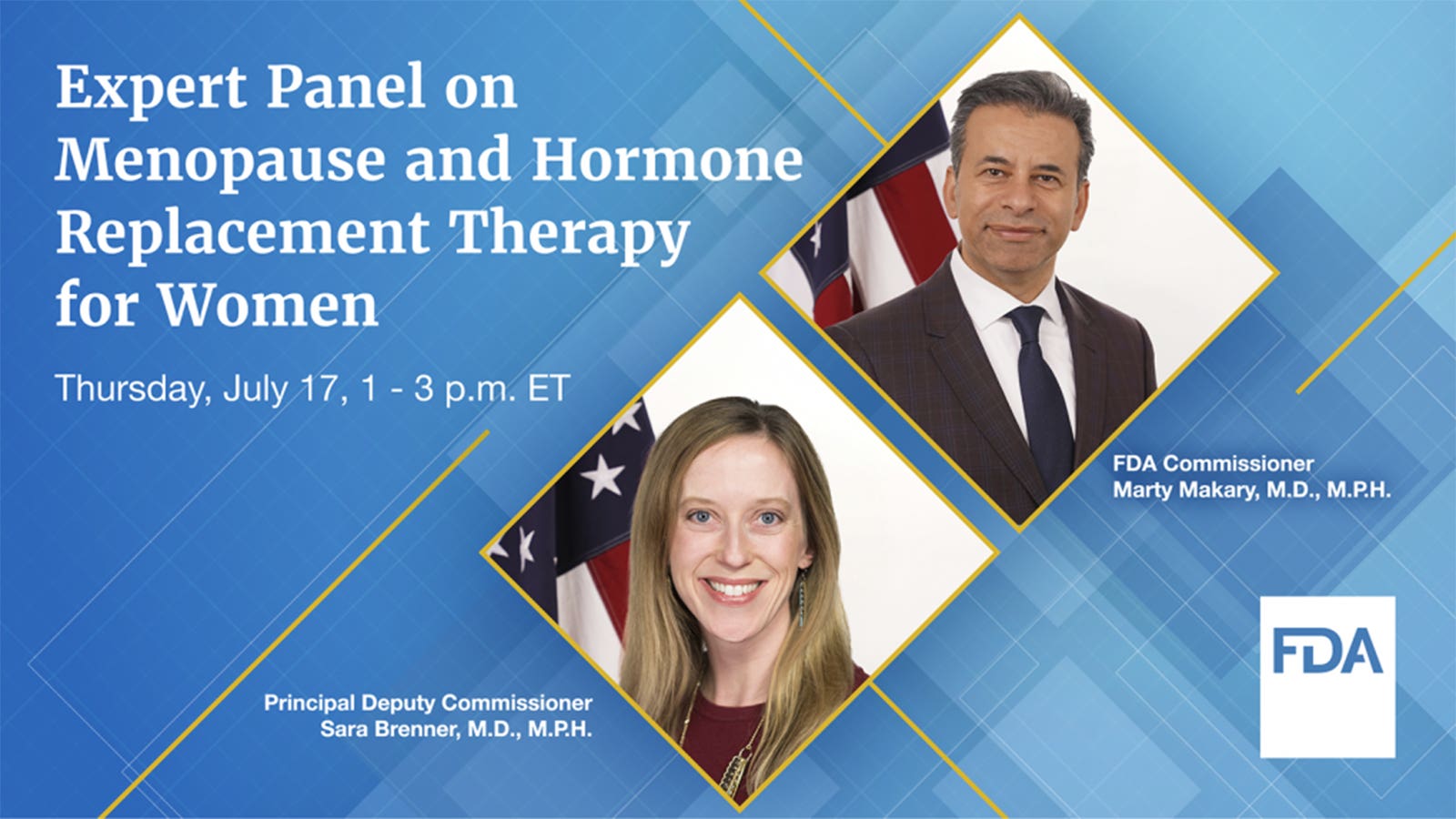
A group of 12 medical experts, assembled by FDA Commissioner Marty Makary, MD, MPH, has called for the removal of the boxed warning on hormone treatments for menopause. The panel believes that the current warning has discouraged many women from using a therapy that could offer significant benefits. The warning highlights potential risks such as endometrial and breast cancers, dementia, blood clots, stroke, and other cardiovascular diseases.
Makary emphasized the importance of distinguishing between medical dogma and scientific evidence when he introduced the panel. He pointed out that when a woman starts estrogen or estrogen and progesterone within 10 years of menopause, there is a reduction in fatal heart attacks and cardiovascular disease. This risk reduction is comparable to or greater than that of statins.
In his 2024 book, Blind Spots: When Medicine Gets It Wrong, and What It Means for Our Health, Makary explored various topics affected by medical groupthink, including hormone therapy. The early 2000s saw the landmark Women's Health Initiative (WHI) studies, which found that hormone therapy increased risks for heart disease, stroke, probable dementia, and breast cancer. These studies were halted due to the heightened risks.
Despite these findings, the U.S. Preventive Services Task Force continues to recommend against the use of hormone therapy for preventing chronic conditions after menopause. For two decades, estrogen-containing menopause treatments have carried a boxed warning, leading many doctors to avoid prescribing them and causing patients to worry about potential harms.
Recent years have seen a growing interest in re-evaluating the WHI findings. Experts, including members of the FDA panel, argue that new information should be considered. The American College of Obstetricians and Gynecologists (ACOG) and the Menopause Society have also advocated for removing the label.
JoAnn Pinkerton, MD, from the University of Virginia Health System, noted that re-analyzing data by age and time from menopause has revealed a more positive outlook. She highlighted that women closer to menopause who start hormone therapy tend to have better outcomes, while those starting later face higher risks.
A 2007 secondary analysis of WHI data showed that women who began hormone therapy within 10 years of menopause had a lower risk of coronary heart disease. A 2019 analysis found that estrogen-only therapy reduced breast cancer incidence and death, while estrogen plus progestin increased the risk.
JoAnn E. Manson, MD, MPH, DrPH, from Brigham and Women's Hospital, published a piece in JAMA last year with other original authors. They concluded that hormone therapy is appropriate for treating vasomotor symptoms among women in early menopause without contraindications.
However, not all experts agree with removing the warning. Adriane Fugh-Berman, MD, from Georgetown University Medical Center, criticized the panel's arguments and defended the original WHI findings. She described the panel as one-sided, noting conflicts of interest among some members and the lack of public input.
Unlike typical advisory committee meetings, the FDA did not present safety and efficacy data during the session. There was no public comment period, although the FDA plans to include one in the Federal Register. ACOG expressed its intention to provide comments during the upcoming public comment period.
If the boxed warning is removed, it is likely that prescriptions for hormone therapy will increase. The debate over the warning reflects ongoing discussions about balancing the benefits and risks of hormone therapy for menopause.

Post a Comment for "FDA Panel Lifts Boxed Warning on Menopause Hormone Therapy"
Post a Comment