FDA Experts Urge Reevaluation of Menopause Hormone Therapy Warnings
The FDA Reassesses Hormone Replacement Therapy for Menopause
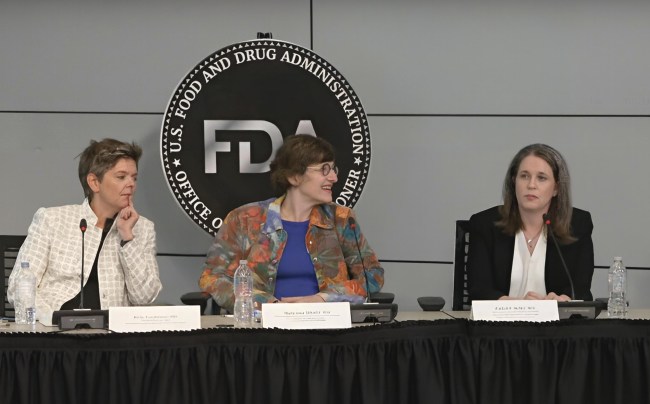
On Thursday in Washington, D.C., the U.S. Food and Drug Administration (FDA) brought together a panel of top experts to reassess the risks and benefits of hormone replacement therapy (HRT) for women experiencing menopause. The primary objective was to determine whether current boxed warnings on estrogen-containing therapies are still aligned with the latest scientific evidence—and whether they might be discouraging women from treatments that could significantly improve their quality of life.
The expert panel, composed of 12 leading clinicians and researchers across various fields including cardiology, gynecology, and endocrinology, reviewed over two decades of evolving data. Their conclusion was clear: the existing warnings tied to HRT, particularly those based on early 2000s studies, are outdated and, in some cases, misleading.
A Long Shadow from an Older Study
The foundation of the FDA's reevaluation is the legacy of the Women's Health Initiative (WHI), a large-scale clinical trial that, in 2002, reported increased risks of breast cancer, heart disease, and stroke among women taking hormone therapy. These findings had a significant impact on the medical community and led to black-box warnings—considered the most serious type of warning—on many HRT prescriptions.
However, several panelists highlighted that the WHI primarily studied older, synthetic hormone formulations such as conjugated equine estrogen and medroxyprogesterone acetate. These compounds are no longer widely used in modern practice. Today, HRT often involves bioidentical hormones like 17β-estradiol, which more closely resemble the body’s natural hormones.
Dr. Heather Hirsch, an internal medicine physician and menopause specialist, emphasized during the session that "the science has evolved, but the warning labels haven't." She argued that it's time for the FDA to update its language to reflect current data.
Bone Health, Brain Health, and Missed Opportunities
One of the strongest arguments came from orthopedic surgeon Dr. Vonda Wright, who pointed out that estrogen therapy can reduce postmenopausal fracture risk by up to 50% and may even lower fracture-related mortality. Yet, only about 4% of U.S. women eligible for bone protection through estrogen are currently using it.
"Current warnings scare women and their doctors away," Wright said. "That's a missed opportunity to prevent life-altering injuries and even save lives."
Panelists also discussed the potential benefits of hormone therapy for brain health, genitourinary symptoms, and mood stability. Some called for broader access to low-dose testosterone for women, citing evidence that it can help with libido, cognitive clarity, and energy, especially for women undergoing surgical menopause.
Dr. Kelly Casperson, a urologist and Flow Space Advisory Council member, added, "It's not about handing out hormones to everyone. It's about giving women real choices backed by real science."
An Education Gap and a Generational Shift
Alongside scientific advancements, education emerged as a key theme. Many clinicians, particularly those trained in the last two decades, have little to no formal education on menopause management. Some receive less than one hour of menopause-specific instruction in medical school.
This lack of training contributes to widespread confusion and inconsistent care, leaving patients unsure of whether they're making the right decisions. FDA Principal Deputy Commissioner Dr. Sara Brenner, who moderated the session, noted, "We've got a generation of women suffering in silence—feeling dismissed, confused or afraid—because of how this topic has been handled."
What Could Change—and What Comes Next
Perhaps the most significant outcome of the meeting was the FDA's consideration of changes to the black-box warning language on estrogen products. Several panelists advocated for the full removal of these warnings on certain products, while others suggested a more nuanced revision that reflects factors such as patient age, delivery method, and hormone type.
Although the meeting did not include public comment, the FDA announced plans to open a public docket in the coming weeks to gather feedback from clinicians, researchers, and the general public.
What This Means for You
This expert panel marks a turning point in how menopause care is viewed at the federal level. If the FDA follows through with label changes, it could empower more women to consider hormone therapy as a legitimate, safe, and effective option—especially when tailored to their unique health needs.
It's also a call to action for doctors to seek better training, for patients to ask better questions, and for both to work together in shared decision-making.
As Dr. Marty Makary, chair of the panel and the FDA's Commissioner, noted: "We owe it to women to make sure the risks they hear about are real—and the benefits they deserve aren't lost in the noise."

Post a Comment for "FDA Experts Urge Reevaluation of Menopause Hormone Therapy Warnings"
Post a Comment