Experts Demand Enhanced Physician Awareness of Fragile X Conditions
Raising Awareness for Fragile X-Associated Conditions
Researchers from the UC Davis MIND Institute, Randi and Paul Hagerman, are urging greater awareness and screening for fragile X-associated conditions. In a recent paper published in the New England Journal of Medicine, the husband-and-wife physician-scientists highlight that these genetic conditions remain under-recognized by many healthcare providers, despite extensive research over the years.
The Hagermans emphasize that individuals diagnosed with autism or intellectual disabilities should be routinely screened for fragile X. "Unfortunately, this isn't happening consistently, even though it's recommended by leading medical organizations," said Distinguished Professor Randi Hagerman, a developmental-behavioral pediatrician and founding medical director of the MIND Institute.
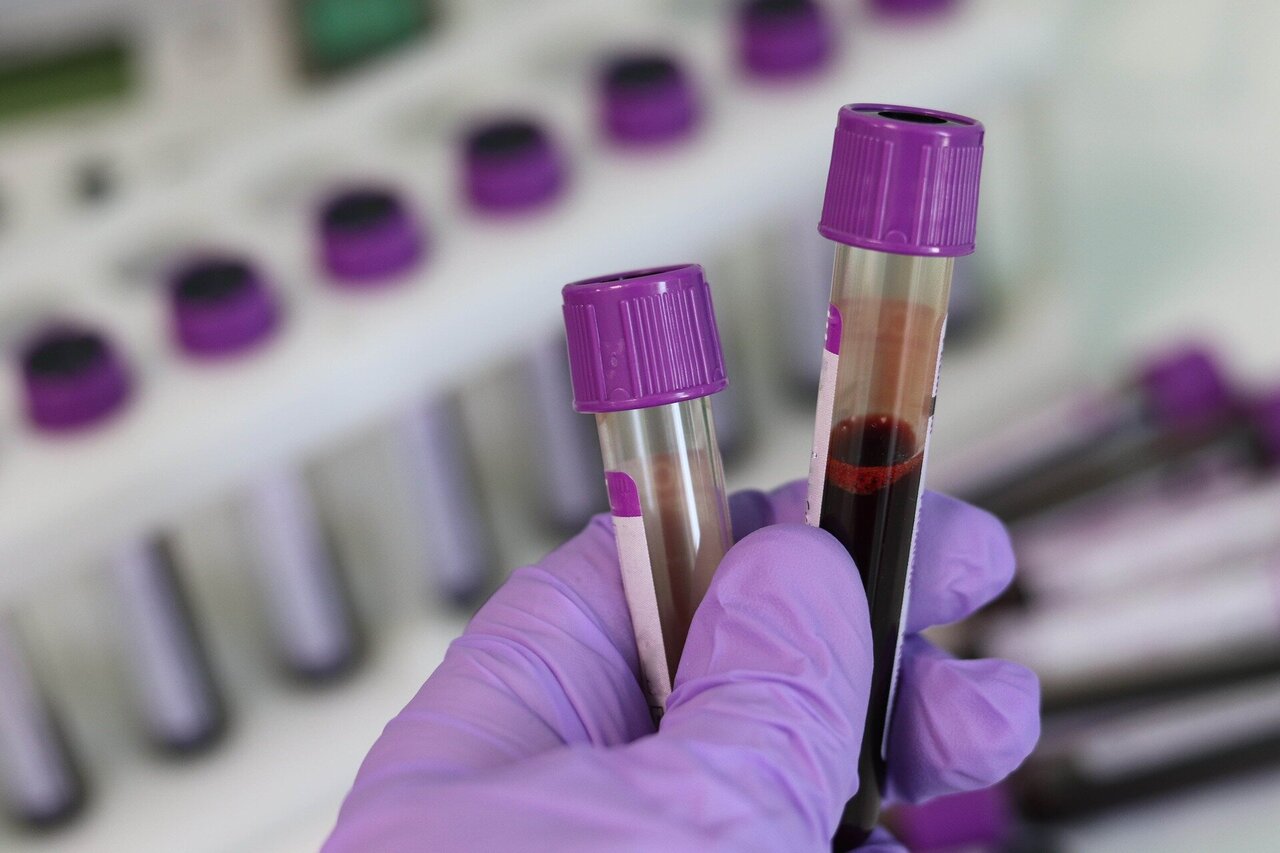
A simple blood test is available for screening, which is typically covered by insurance or Medicaid/Medi-Cal. "It’s absolutely necessary for these conditions," she added.
Understanding Fragile X
Fragile X is a group of genetic conditions linked to changes in the FMR1 gene located on the X chromosome. These changes can range from a premutation (a smaller genetic alteration) to a full mutation, each with different health impacts. The most well-known condition is fragile X syndrome, caused by the full mutation.
Fragile X syndrome is the most common inherited cause of intellectual disability and autism. It affects learning, development, and behavior. "Despite its significance, many physicians are still unaware of its existence," explained Distinguished Professor Paul Hagerman, who is part of the Department of Biochemistry and Molecular Medicine.
This condition is more prevalent in males than females. Additional characteristics may include social anxiety, sensory and sleep challenges, large ears, a long face, and speech and language delays.
Other Fragile X-Associated Conditions
Individuals with the premutation are considered carriers of fragile X. "One in 150–200 women and one in 300–400 men in the general population are carriers of mutated forms of the gene," Paul Hagerman noted. Randi Hagerman added, "There are millions of people who don’t realize they carry the premutation."
While many carriers show no symptoms, some may develop health conditions later in life. These include:
-
Fragile X-Associated Tremor/Ataxia Syndrome (FXTAS): A neurological disorder that usually appears after age 50, especially in men. Symptoms include tremors, balance problems, memory issues, and sometimes Parkinson’s-like symptoms. The Hagermans discovered FXTAS at the MIND Institute in 2001 after noticing similar symptoms in family members of fragile X syndrome patients.
-
Fragile X-Associated Primary Ovarian Insufficiency (FXPOI): A condition affecting some women with the premutation, leading to irregular periods, early menopause, and fertility challenges.
-
Other Emerging Conditions: Researchers are also studying additional health conditions linked to the premutation, such as anxiety, depression, and autoimmune issues.
Family Implications and Screening Recommendations
The Hagermans recommend that healthcare providers obtain a full medical history of the family tree upon diagnosing fragile X syndrome. Females with the premutation have a 50% chance of passing the mutation to each of their children. Males with the premutation will pass it to all of their daughters and none of their sons.
"Often, a fragile X syndrome diagnosis leads to other diagnoses of related conditions for additional family members," Randi Hagerman said. "It spans generations."
Paul Hagerman emphasized the importance of screening, noting that FXTAS can resemble other disorders. "When testing is done, older adults often find out that a prior diagnosis of Alzheimer’s or Parkinson’s may actually be FXTAS."
Promising Treatments and Future Hope
Currently, there are no treatments specifically approved for fragile X syndrome. However, several treatments have shown promise. These include a cannabidiol gel and zatolmilast, a medication that showed improvement in language and daily function in a small trial. It is being tested in both adults and children.
Metformin, a traditional diabetes treatment, is also being tested to treat fragile X syndrome. "It’s showing efficacy, particularly in children, and we’ll be publishing research about that before the end of the year," Randi Hagerman said.
The MIND Institute has been a testing site for all three treatments.
Paul Hagerman is particularly excited about gene therapy, an area he studies. "The development of gene therapy approaches is proceeding at an incredibly rapid pace. I am most hopeful for targeted therapies for the fragile X family of conditions in the very near future."

Post a Comment for "Experts Demand Enhanced Physician Awareness of Fragile X Conditions"
Post a Comment