Europe Considers Banning Plant-Based Products From Using 'Meat' Names
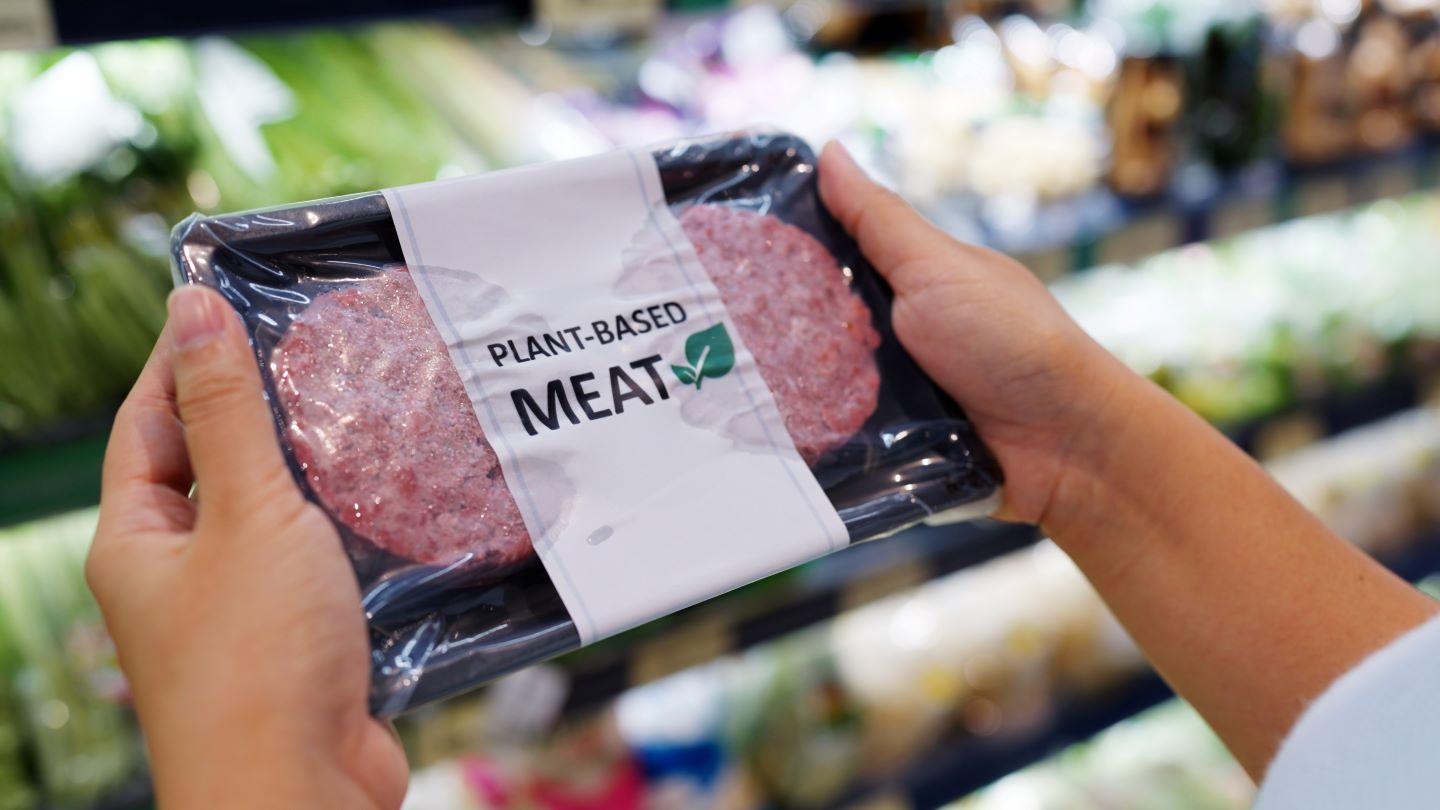
The European Commission's Proposal to Restrict Plant-Based Product Labeling
The European Commission (EC) has introduced a proposal that would restrict the use of 29 specific "meat" terms in the marketing of plant-based alternatives. This move is seen as a revival of an earlier attempt to ban such terminology, which was previously rejected five years ago. The new initiative comes after a ruling by the European Court of Justice in October, following France's renewed effort to prevent local manufacturers from using meat-related descriptors for plant-based products.
According to the EC, the term "meat" should be defined as “exclusively the edible parts of an animal.” In a recent document, the EC stated that specific legal provisions should be introduced to protect meat-related terms. This is intended to enhance transparency in the internal market regarding food composition and nutritional content, ensuring that consumers can make well-informed choices—especially those seeking specific nutritional profiles traditionally associated with meat products.
The proposed list includes names like beef, pork, chicken, and bacon, as well as more indirect terms such as ribs, drumsticks, and wings. Currently, plant-based products in the EU are allowed to use these terms if they clearly indicate that the product is an alternative and contains no meat.
Industry Response and Consumer Perspectives
The European Vegetarian Union (EVU), an umbrella organization representing vegan and vegetarian groups across over 20 countries, argues that existing legislation already provides sufficient consumer protection and transparency. The EVU expressed surprise at the EC’s shift in priorities, stating that there are more pressing issues facing European agriculture than this regulation.
The EVU cited a 2020 study by the European Consumer Organisation (BEUC), which found that up to 80% of consumers believe traditional denominations should be allowed if the plant-based nature of the product is clear. According to the association, the current regulation already outlines rules for food products where a component or ingredient typically expected by consumers has been replaced with a different one.
Rafael Pinto, the senior policy manager at the EVU, emphasized that there is abundant data from several EU countries showing that consumers are not confused by the use of these terms and do not accidentally buy plant-based products. He argued that the proposal has nothing to do with consumer protection or transparency.
Implications for Innovation and Competition
The EVU also pointed out that restricting the use of such terms could go against the simplification agenda and hinder European competitiveness and the single market by introducing new rules for companies. They warned that artificially limiting the use of meat terms would be a waste of public resources and an undue restriction on European entrepreneurship and innovation.
The debate around the labeling of plant-based products highlights a growing tension between traditional agricultural interests and the expanding plant-based food industry. As the EU continues to navigate these challenges, the outcome of this proposal could have significant implications for both consumers and businesses across the region.
The discussion underscores the need for a balanced approach that respects consumer choice while maintaining clarity and transparency in food labeling. As the EC moves forward with its proposals, stakeholders will be closely watching how these regulations evolve and impact the broader food market.

Post a Comment for "Europe Considers Banning Plant-Based Products From Using 'Meat' Names"
Post a Comment