Essential Medicines Travelers Must Pack with Care for International Trips
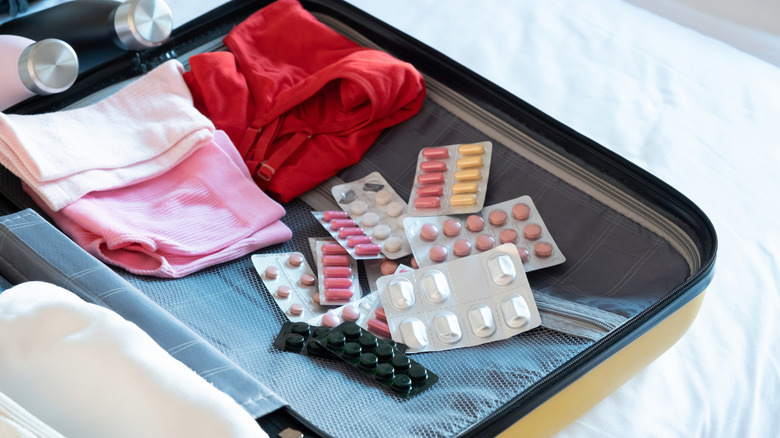
Common Medications to Be Cautious About When Traveling Internationally
While most people are aware that bringing illicit drugs into another country is illegal, they might not realize that even common medicines can pose problems when traveling internationally. Many travelers assume that bringing prescription or over-the-counter medications for personal use is acceptable, especially if they’re needed for chronic conditions or as a precaution. However, the rules regarding medication vary significantly from one country to another.
The Centers for Disease Control and Prevention (CDC) highlights that certain medications are particularly sensitive in international travel. These include narcotics like hydrocodone and oxycodone, sedatives such as alprazolam and diazepam, stimulants used for ADHD, some decongestants, and specific jet lag treatments. While these medications may be legal in the United States, they could be restricted or even banned in other countries. The consequences of carrying prohibited medications can range from having your medicine confiscated to facing serious legal repercussions, including imprisonment.
Steps to Take Before Packing Your Medication
To avoid complications, it’s essential to do thorough research before packing your medication for an international trip. One of the first steps is to check with the U.S. embassy or consulate in the country you're visiting, as well as any layover destinations. This will help you understand what is and isn’t allowed. If necessary, obtain a prescription, a written note, or a medical certificate from your healthcare provider. These documents can serve as proof of medical necessity if questioned by customs or security officials.
In cases where a medication is not permitted, your healthcare provider may be able to recommend an alternative that is more suitable for travel. It’s also wise to plan ahead and ensure that you have enough medication to last the entire trip, just in case there are delays or issues with getting refills abroad.
Proper Packaging and Presentation of Medications
When preparing your medication for travel, consider how you’ll pack it. For example, injectable medications like insulin should be kept separate and easily visible for both U.S. and international security screenings. All medications should be clearly labeled and stored in their original containers, if possible. This helps prevent confusion and ensures that customs officers can quickly identify what you’re carrying.
It's also important to carry all prescriptions and medical documentation in your carry-on luggage rather than checked baggage. This way, you won’t risk losing access to your medication if your luggage is misplaced or delayed.
Research and Planning Are Key
Ultimately, the best way to avoid issues is to do your homework. Each country has its own set of regulations regarding medications, so it’s crucial to research the specific requirements for your destination. Even if this means adjusting your travel plans or choosing a different location, it’s far better than being stranded without your medication or facing legal trouble in a foreign country.
If you prefer to stay within the United States, there are countless incredible travel destinations across the country that offer unique experiences. From national parks to historic cities, there’s no shortage of places to explore while keeping your medication safe and accessible.
By taking the time to prepare properly, you can enjoy your travels with peace of mind, knowing that you’re following the rules and staying safe. Whether you're heading overseas or exploring your own backyard, being informed about medication regulations can make all the difference in ensuring a smooth and stress-free trip.

Post a Comment for "Essential Medicines Travelers Must Pack with Care for International Trips"
Post a Comment