Edvard Munch's Haunting Struggles and Fascination with Suffering
The Intersection of Art and Medicine in Edvard Munch’s Work
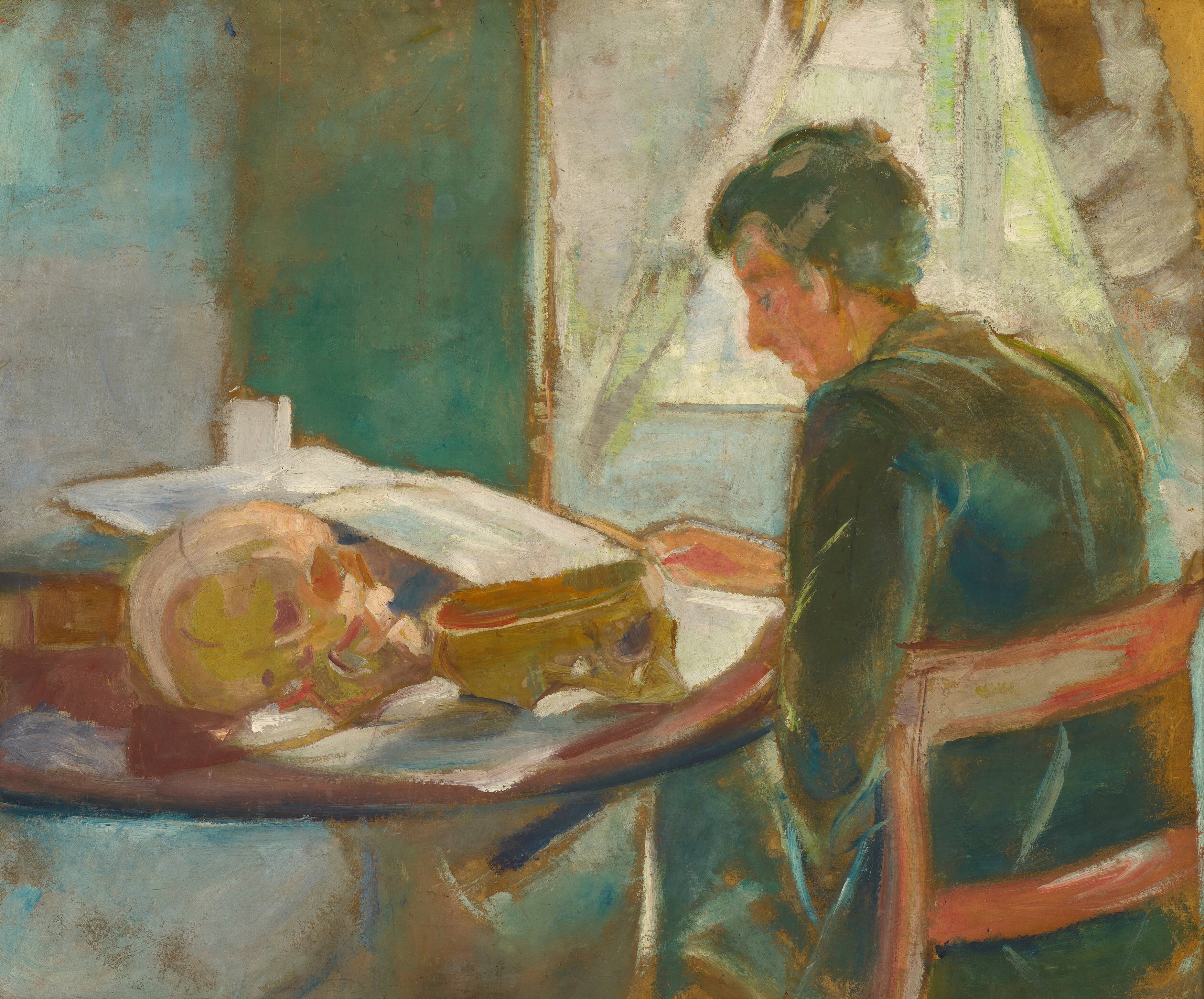
Edvard Munch, the renowned Norwegian artist, had a deep connection with the world of medicine. His family background played a significant role in shaping his understanding of health and illness. He was the son and brother of doctors, and throughout his life, he experienced various medical and psychiatric conditions. These personal struggles influenced his artistic expression, particularly in his depictions of both physical and mental ailments.
A new exhibition titled “Lifeblood: Edvard Munch” at the Munch Museum in Oslo delves into the artist’s fascination with illness through a collection of paintings and artifacts. The show not only highlights Munch’s life but also explores the history of medicine during the late-19th and early-20th centuries. According to the exhibition curator, Allison Morehead, an art historian at Queen’s University in Canada, the exhibit allows visitors to explore the history of healthcare through Munch’s powerful work. It encourages reflection on our bodily vulnerabilities and the ongoing pursuit of health.
Born in 1863, Munch is best known for his psychological themes, including the iconic painting “The Scream.” However, some of his earliest works addressed more mundane medical topics. During his childhood, he often struggled with poor health and occasionally helped his father, who was a doctor, with errands. As a young teenager, he created small watercolors of medicine bottles, some of which are now part of the “Lifeblood” exhibition.
Munch’s family was deeply affected by illness, which fueled his fears and inspired his art. Mai Britt Guleng, a curator at the National Museum in Oslo, noted that there were hereditary diseases in Munch’s family, including mental and nervous illnesses, as well as tuberculosis. Munch and his siblings were constantly worried about these conditions.
Munch’s father battled depression, and his sister Laura spent time in a psychiatric ward. His mother died of tuberculosis when he was just five years old, and his older sister Sophie succumbed to the same disease when he was 14. This loss inspired his 1886 portrait “The Sick Child,” which portrays a pale girl with red hair. His brother Andreas also died of pneumonia as an adult.
In 1919, at the age of 56, Munch contracted the Spanish flu, which was sweeping across Europe. During this period, he painted “Self-Portrait With Spanish Flu,” depicting himself struggling to breathe. The exhibition displays this painting alongside the equipment he used to help him breathe during his illness.
Another notable piece in the exhibition is “On the Operating Table,” which shows a man surrounded by medical professionals and observers during surgery. This painting was inspired by a violent encounter between Munch and his fiancée in 1902, which left him with a bullet wound in his hand. While the details of the incident remain unclear, the surgery he underwent afterward inspired the artwork. The exhibition displays this painting alongside an X-ray image of Munch’s hand, showcasing a bullet in his finger—a new technology at the time.
Other medical artifacts on display include glass sputum bottles, a baby incubator, stethoscopes, a nursing uniform, and contraceptive devices. These items provide insight into the medical practices of the era and highlight the intersection of art and science.
Munch’s work frequently addressed women’s health concerns, such as melancholy, hysteria, syphilis, contraception, childbirth, and infant care. One example is his painting “Inheritance” (1897–99), which depicts a coughing mother holding a sickly newborn. This piece was inspired by Munch’s visit to a Paris syphilis hospital, where he witnessed a mother learning that her baby had been infected with the disease.
According to museum director Tone Hansen, “Lifeblood” reveals a lesser-known side of Edvard Munch, where art becomes a vessel for the fears, hopes, and compassion surrounding illness and care. By intertwining Munch’s work with the history of medicine, the exhibition invites viewers to reflect on their own health and vulnerability in times of uncertainty.
“Lifeblood: Edvard Munch” is on view at the Munch Museum in Oslo through September 21, 2025.

Post a Comment for "Edvard Munch's Haunting Struggles and Fascination with Suffering"
Post a Comment