Early Signs of Chronic Venous Insufficiency - Trump's Red Flag Alert
Understanding Chronic Venous Insufficiency
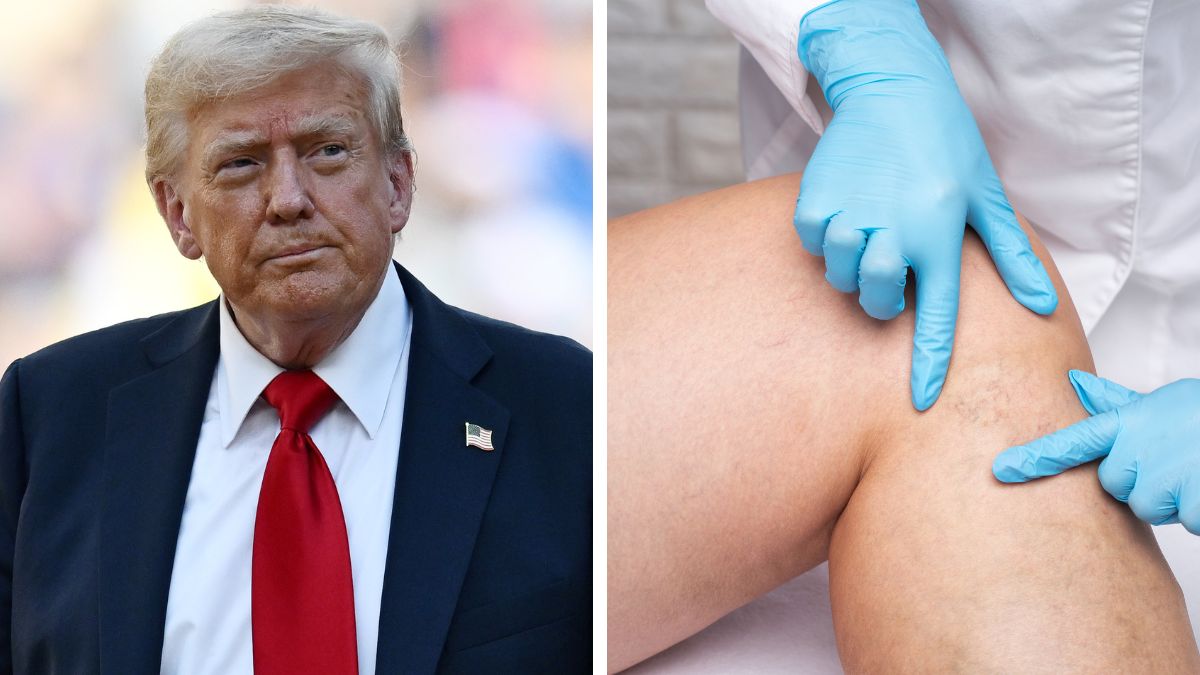
On Thursday, July 17, the White House Press Secretary, Karoline Leavitt, revealed that President Donald Trump had been diagnosed with a vein condition known as chronic venous insufficiency. This announcement followed public observations of unusual swelling in his legs. The diagnosis has sparked interest in understanding what this condition entails and the available treatment options.
What is Chronic Venous Insufficiency?
Chronic venous insufficiency (CVI) is a medical condition where the veins have difficulty returning blood to the heart, particularly in the legs. It can be caused by various factors such as aging, obesity, smoking, blood clots, lack of physical activity, an unhealthy lifestyle, or a family history. According to Johns Hopkins, CVI is not considered life-threatening, but it can indicate underlying health issues such as weight or a sedentary lifestyle.
It is estimated that over 25 million adults in the United States are affected by CVI. Once diagnosed, the condition can lead to the rupture of small blood vessels, resulting in open sores on the skin known as venous stasis ulcers. It can also cause inflammation and tissue damage, which are treatable with medical intervention.
"The veins in our legs have one job: to push used blood out of the legs through muscle contractions. When these veins don't work, typically due to damaged valves, it can cause blood to pool in the legs and lead to symptoms like swelling and ulcers," said Dr. Sean Stewart, regional medical director at the Center for Vein Restoration.
Symptoms of Chronic Venous Insufficiency
For President Trump, the diagnosis came after visible leg swelling was noticed. For others, symptoms may include difficulty walking, leg or muscle cramps, a feeling of tightness in the legs, itchy calves, and brown-colored skin, often around the ankles.
If these symptoms are recognized, healthcare providers will typically review the patient's medical history and conduct a physical examination. An imaging test called a Duplex ultrasound may also be performed to assess blood flow and the structure of the leg veins. This test evaluates the speed and direction of blood flow within the vessels.
Treatment Options for Chronic Venous Insufficiency
According to the Cleveland Clinic, several treatment plans are available for those diagnosed with CVI. The most common approaches include lifestyle changes such as elevating the legs, regular exercise, managing weight, and using compression therapy. If these measures do not provide relief, surgical options may be considered. These can include ligation and stripping, microincision/ambulatory phlebectomy, Subfascial Endoscopic Perforator Surgery (SEPS), or a vein bypass.
"The best treatment for you depends on how far your condition has progressed and other medical conditions you have," says the Cleveland Clinic. "Your provider will tailor treatment to your individual needs."
They also emphasize that while many people with CVI struggle to wear compression stockings long-term, they are essential in helping the veins function better and alleviating symptoms.
Additional Health Insights
In addition to CVI, there are other health conditions that may present unique symptoms. For example, shiny skin on the legs could be an early sign of peripheral artery disease, a condition that affects blood flow to the limbs. Women are more likely to experience fewer symptoms, which can lead to underdiagnosis of the condition.
As awareness of these health issues grows, it becomes increasingly important for individuals to recognize potential symptoms and seek appropriate medical care. Early detection and treatment can significantly improve outcomes and quality of life.

Post a Comment for "Early Signs of Chronic Venous Insufficiency - Trump's Red Flag Alert"
Post a Comment