Don't Throw Away Hydrogen Peroxide—Gardeners' Secret for Healthy Plants
Understanding the Benefits of Hydrogen Peroxide in Gardening
Gardening can be both rewarding and challenging, especially when it comes to maintaining healthy plants. Many gardeners opt for expensive chemicals like pesticides, fertilizers, and fungicides to keep their gardens thriving. However, there's a simple and cost-effective alternative that many people overlook: hydrogen peroxide. This common household item can be a powerful tool in your gardening arsenal, offering a range of benefits from pest control to improving plant growth.
Hydrogen peroxide is not only affordable but also versatile. When used correctly, it can help with everything from promoting germination to preventing fungal diseases and even boosting root health. It’s an excellent option for those looking to reduce their reliance on commercial products while still achieving great results in their garden.
Expert Insights on Using Hydrogen Peroxide Safely
Sara Rubens, a certified garden coach and founder of Seed to Sanctuary, emphasizes that hydrogen peroxide is safe to use in the garden when properly diluted. She explains, “Hydrogen peroxide is a useful tool in the garden when diluted properly.” One of the most common applications is as a soil drench, which helps prevent root rot and increases oxygen levels in the soil.
According to Rubens, a simple formula can ensure the solution is safe for plants. “Mix one part 3% hydrogen peroxide with four parts water and apply it around plant bases every one to two weeks,” she says. This mixture helps maintain healthy soil conditions without harming the plants. However, she also recommends avoiding spraying hydrogen peroxide during hot, sunny hours to prevent leaf damage.
Five Effective Uses of Hydrogen Peroxide in the Garden
Hydrogen peroxide can be a gardener’s best friend if used correctly. Here are five primary ways to leverage this versatile product:
-
Pest Control: For controlling soft-bodied insects, a stronger dilution of one part hydrogen peroxide to three parts water can be used directly on pests. However, it’s important to spot-test sensitive plants first to avoid any adverse effects.
-
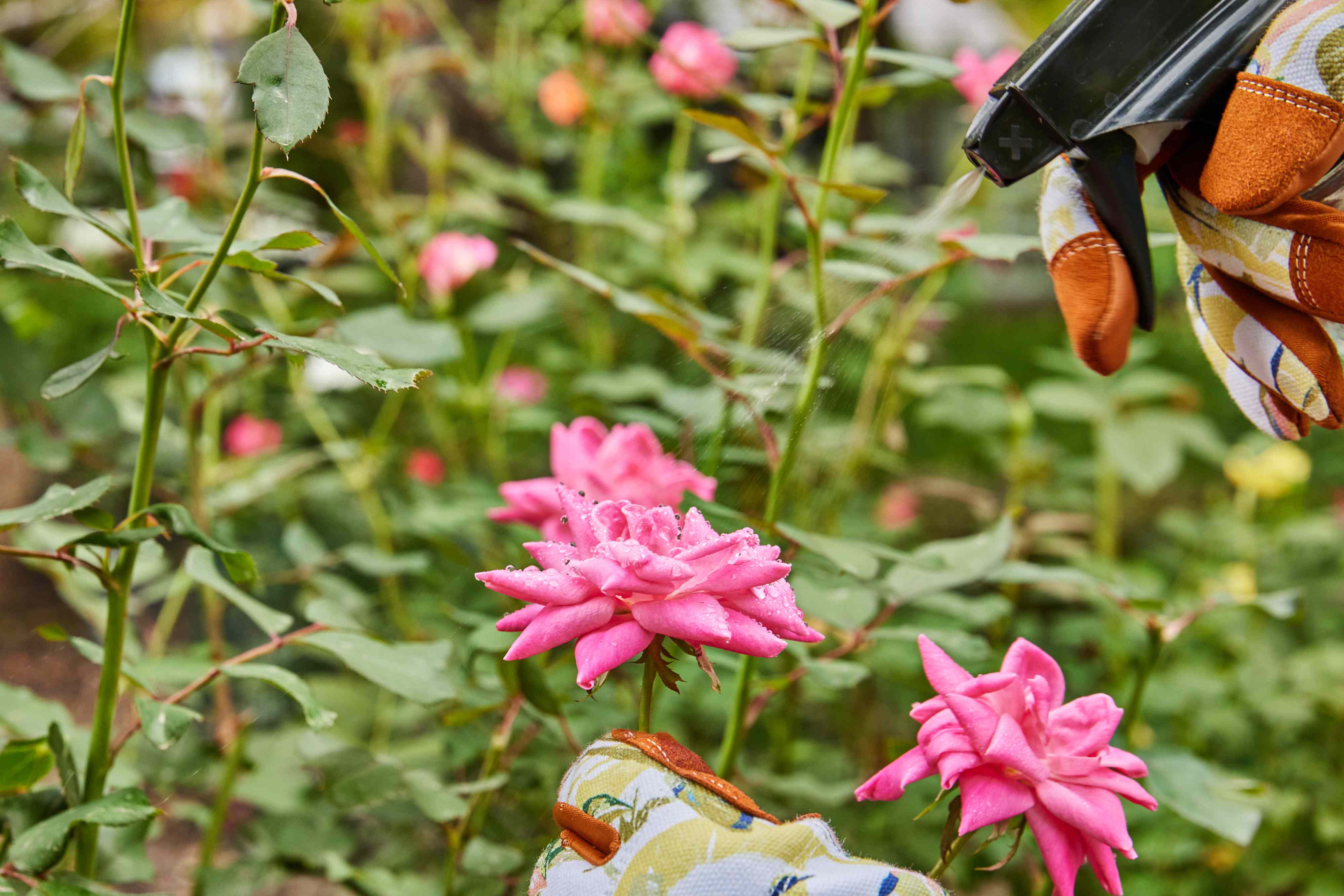
Fungicide Application: A foliar spray made with one tablespoon of 3% peroxide per quart of water can effectively treat powdery mildew and other fungal issues. This method helps protect plants from common fungal diseases.
-
Preventing Root Rot: Using a one-to-three ratio of hydrogen peroxide to water can help fight the pathogens that cause root rot. This is especially beneficial for plants that are prone to overwatering or have damp soil conditions.
-
Improving Seed Germination: Soaking seeds in a diluted hydrogen peroxide solution for 10 to 20 minutes before planting can disinfect them and improve germination rates. This process also softens the seed coat, making it easier for the seed to sprout.
-
Aerating the Soil: Hydrogen peroxide can enhance soil quality by adding oxygen, which improves aeration and promotes healthier root systems. As it breaks down into water and oxygen, it supports better soil structure and microbial activity.
Important Considerations and Safety Tips
While hydrogen peroxide is generally safe, it should be used in moderation. Overuse can harm beneficial soil microbes and may negatively affect delicate plants such as ferns or orchids. Rubens advises, “Overuse can harm beneficial soil microbes, and some delicate plants may be too sensitive.”
To ensure safe and effective use, it’s recommended to dilute hydrogen peroxide to one part hydrogen peroxide and four parts water for most garden applications. If you're using it for pest control, you can increase the concentration to one part hydrogen peroxide and three parts water. However, it should only be used occasionally and for specific purposes. Daily application can lead to plant damage, similar to what would occur if the solution were left undiluted.
Frequently Asked Questions
Is hydrogen peroxide safe to use on all plants?
Diluted properly, hydrogen peroxide is safe for all plants. However, improper dilution can lead to plant damage. Always follow the recommended ratios and test on a small area before applying it widely.

Post a Comment for "Don't Throw Away Hydrogen Peroxide—Gardeners' Secret for Healthy Plants"
Post a Comment