Dogs Could Be the Solution to Stopping Spotted Lanternflies Before They Spread
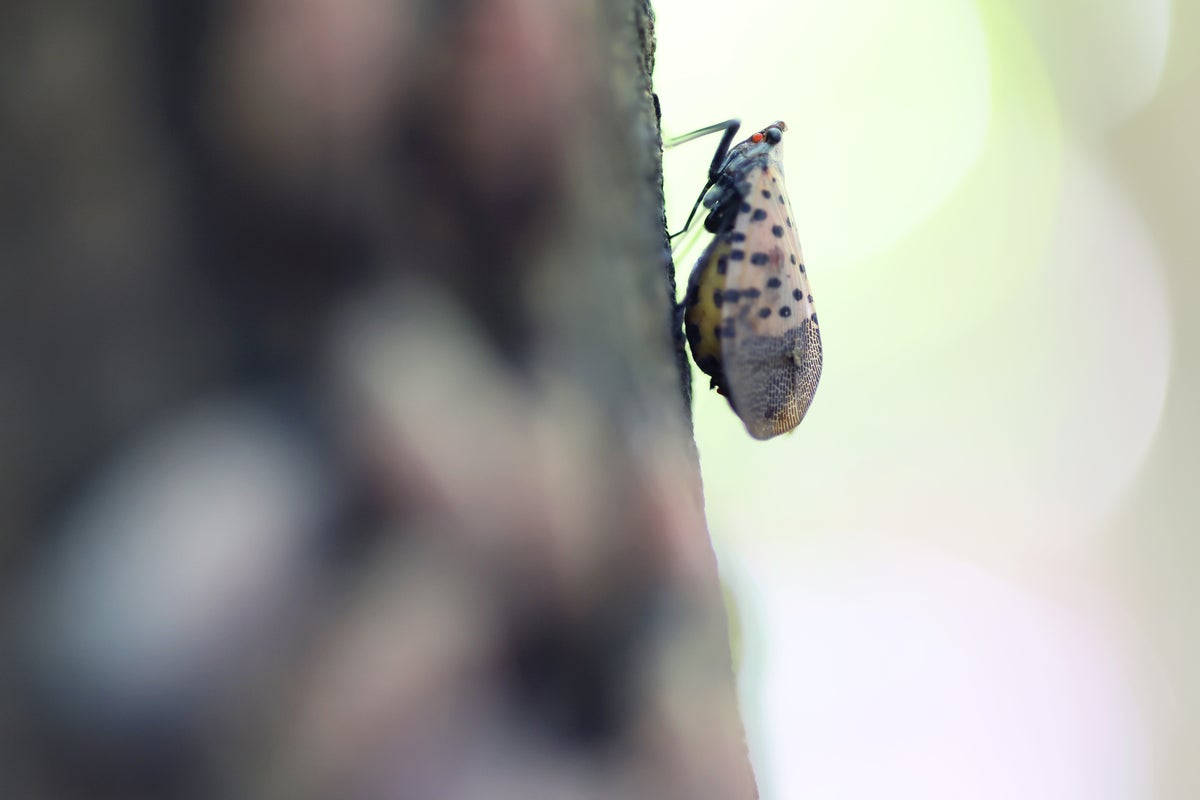
A New Weapon in the Battle Against Invasive Spotted Lanternflies
In a groundbreaking development, dogs are proving to be valuable allies in the fight against invasive spotted lanternflies. These pests, originally from Asia, have been causing significant damage to trees, crops, and other plants across the United States. The challenge lies in identifying their egg masses, which are notoriously difficult to spot. According to researchers at Virginia Tech and Texas Tech Universities, these eggs can resemble mud smears or lichens and are often hidden in bark crevices, cracks, or under surfaces.
Mizuho Nita, a plant pathologist at Virginia Tech’s Alson H. Smith Jr. Agricultural Research and Extension Center, described the difficulty of finding these eggs as "searching for a needle in a haystack."
Training Dogs to Detect Spotted Lanternfly Eggs
More than 180 teams consisting of various dog breeds and their owners participated in a training program. They were given non-hatching egg masses to train with at home or in small groups. After several months of training, the dogs were tested in both indoor and outdoor environments.
The canines had to complete an odor recognition test, where they had to distinguish the box containing spotted lanternfly eggs from multiple boxes with different items. Those that passed the test advanced to a field test, where they were required to identify the scent in an outdoor environment filled with competing smells.
Of the dogs that passed both tests, 92 percent successfully found the eggs. In controlled settings, the dogs correctly identified the egg boxes 82 percent of the time. Although this percentage dropped to 61 percent outdoors, it still outperformed many human searches, according to the researchers.
The Power of a Dog's Nose
Dogs have a sense of smell that is tens of thousands of times more acute than that of humans. This ability allows them to locate the eggs without disturbing the environment. While professional detection dogs can do this, there aren't enough of them, and their services are costly.
The project, supported by the Department of Agriculture and published in the journal Zoological Science, could also be helpful for detecting powdery mildew with over 90 percent accuracy, according to a separate study by the researchers. Powdery mildew is a fungal disease that affects vineyards, much like spotted lanternflies do.
Economic Impact and Spread of the Pest
Not finding the insects could cost the New York grape industry millions of dollars, according to researchers at Cornell University. First detected in 2014, the Asian-native pests have spread across 18 states, laying eggs on lumber, cars, stones, and other surfaces, threatening the central and eastern U.S.
Campaigns to stomp out the spotted lanternflies in major Northeast cities have been successful, although some residents have questioned whether people should kill them. Hatching from April through June, this summer the pests have returned to Pennsylvania, New Jersey, New York, Georgia, Ohio, Illinois, Indiana, and Michigan. Some cities, including the Big Apple, may not see as many as they did just a few summers ago.
A Reminder of the Ongoing Threat
"It might seem like spotted lanternfly is not as big a problem as it seemed a few years ago," said Cornell’s Allan Pinto earlier this year. "This reminds people: It might not be bad if you do something, but if you don’t, it could be really bad."
As the battle against invasive species continues, the role of trained dogs in detecting and managing these pests is becoming increasingly vital. Their unique abilities offer a promising solution to a growing environmental challenge.

Post a Comment for "Dogs Could Be the Solution to Stopping Spotted Lanternflies Before They Spread"
Post a Comment