Does India Warn About Street Food Health Risks?
Clarification on Health Warnings for Street Foods
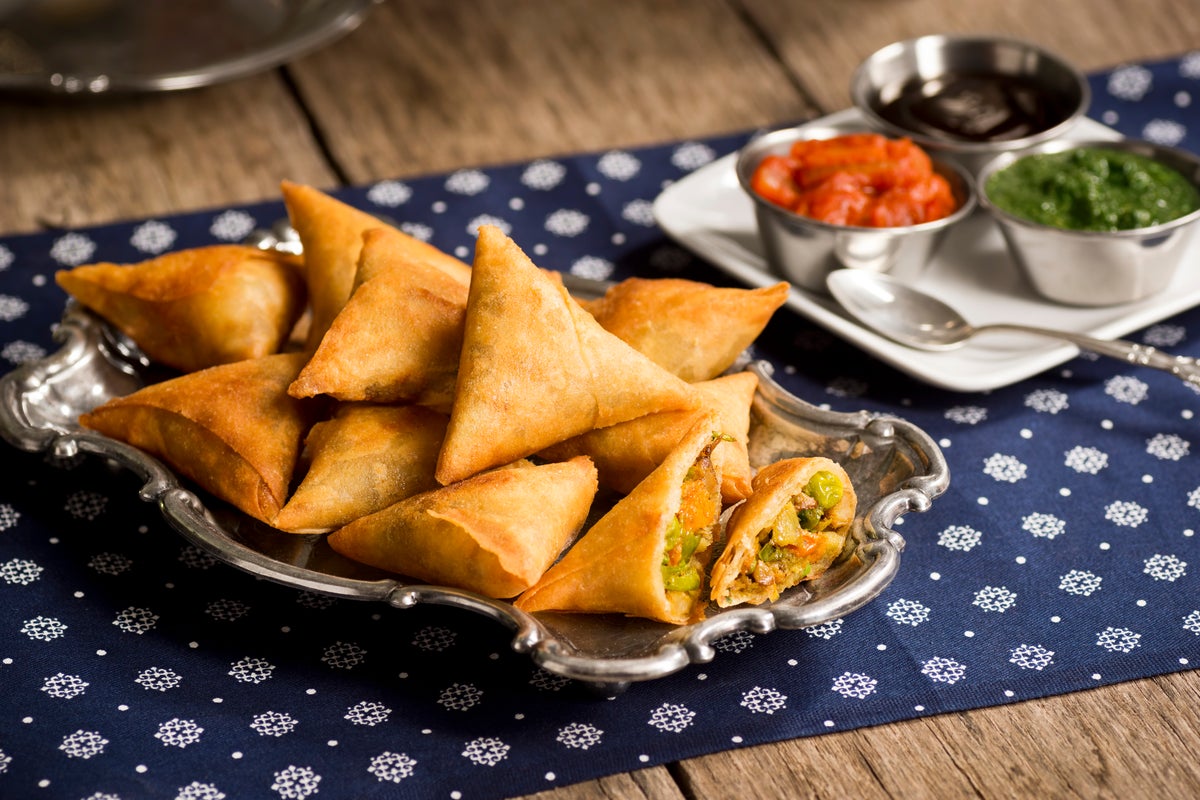
The Indian health ministry recently addressed concerns about potential warnings on popular street foods like samosas and jalebis. The ministry clarified that no directive had been issued to place warning labels on these snacks. Instead, the focus was on raising awareness about the harmful effects of processed foods through cautionary boards in public spaces.
A recent report by Indian media suggested that the Food Safety and Standards Authority of India (FSSAI) had identified 14 snack items, including samosas, pakodas, vada pav, and certain biscuits, which would be accompanied by cautionary notices in cafeterias and public venues. However, the following day, the ministry released a statement clarifying that the advisory was meant to promote healthier dietary habits by displaying sugar and oil boards in workplaces such as lobbies, canteens, and meeting rooms.
According to reports, the directive was issued by health secretary Punya Salila Srivastava on June 21, emphasizing the need to raise awareness about hidden fats and excess sugar in all food products. The initiative included examples of various food items, such as samosas, kachoris, vada pavs, burgers, cakes, chocolates, and carbonated drinks.
This initiative has already started in state-run facilities like AIIMS Nagpur, responding to growing concerns over India’s rising burden of lifestyle diseases. Health experts, including the Indian Council of Medical Research and the National Institute of Nutrition, have supported the move, stating it aligns with efforts to combat non-communicable diseases like diabetes, hypertension, and cardiovascular disease.
Cardiologist Dr. Amar Amale highlighted the importance of this step, comparing it to cigarette warnings. He stated, “Sugar and trans fats are the new tobacco. People deserve to know what they're eating.” Dr. Rajiv Kovil, head of diabetology at Zandra Healthcare, added that high-calorie snacks contribute to obesity, which is a gateway to numerous chronic conditions.
According to the International Diabetes Federation, over 77 million Indians live with type 2 diabetes, or roughly 9% of adults. A study published in the American Journal of Clinical Nutrition found that individuals consuming high levels of refined grains, commonly found in samosas and jalebis, were nearly eight times more likely to develop metabolic syndrome.
The World Health Organization has also flagged trans fats, a common component in Indian street foods, as responsible for over 77,000 cardiovascular deaths each year in India.
Despite these concerns, the initiative has faced criticism from nutritionists who argue that it unfairly targets traditional Indian foods. Celebrity nutritionist Rujuta Diwekar questioned why processed snacks continue to be consumed without warnings. She emphasized that ultra-processed food products are the real problem.
MP Milind Deora also criticized the government’s focus, calling for uniform regulations across all food categories, including alcohol, to ensure Indian food isn’t unfairly targeted while multinational corporations market Western junk unchecked.
Reactions from Indians have been mixed; some see the warnings as overdue, while others question whether the signs will truly change eating habits or stigmatize comfort foods. Writer Kiran Manral raised the point that similar warnings should be applied to packaged foods, pizzas, burgers, and soft drinks.
Many believe that while indulgence in foods like jalebis and samosas is for delight, they don't fit into the same category as products requiring health warnings. The debate continues as the nation grapples with balancing tradition, health, and modern dietary challenges.

Post a Comment for "Does India Warn About Street Food Health Risks?"
Post a Comment