Dangerous Creatures of Delaware: 8 Species to Know
Understanding the Dangers of Delaware's Wildlife
As the weather continues to warm, it's the perfect time to enjoy the outdoors and take advantage of what late summer has to offer. Whether you're planning a camping trip or a hiking adventure, it's essential to be aware of the potential dangers that can come with exploring nature. Delaware is home to several wildlife species that, while not always deadly, can cause significant harm if encountered improperly.
8 Dangerous Animals in Delaware
Eastern Copperhead Snake
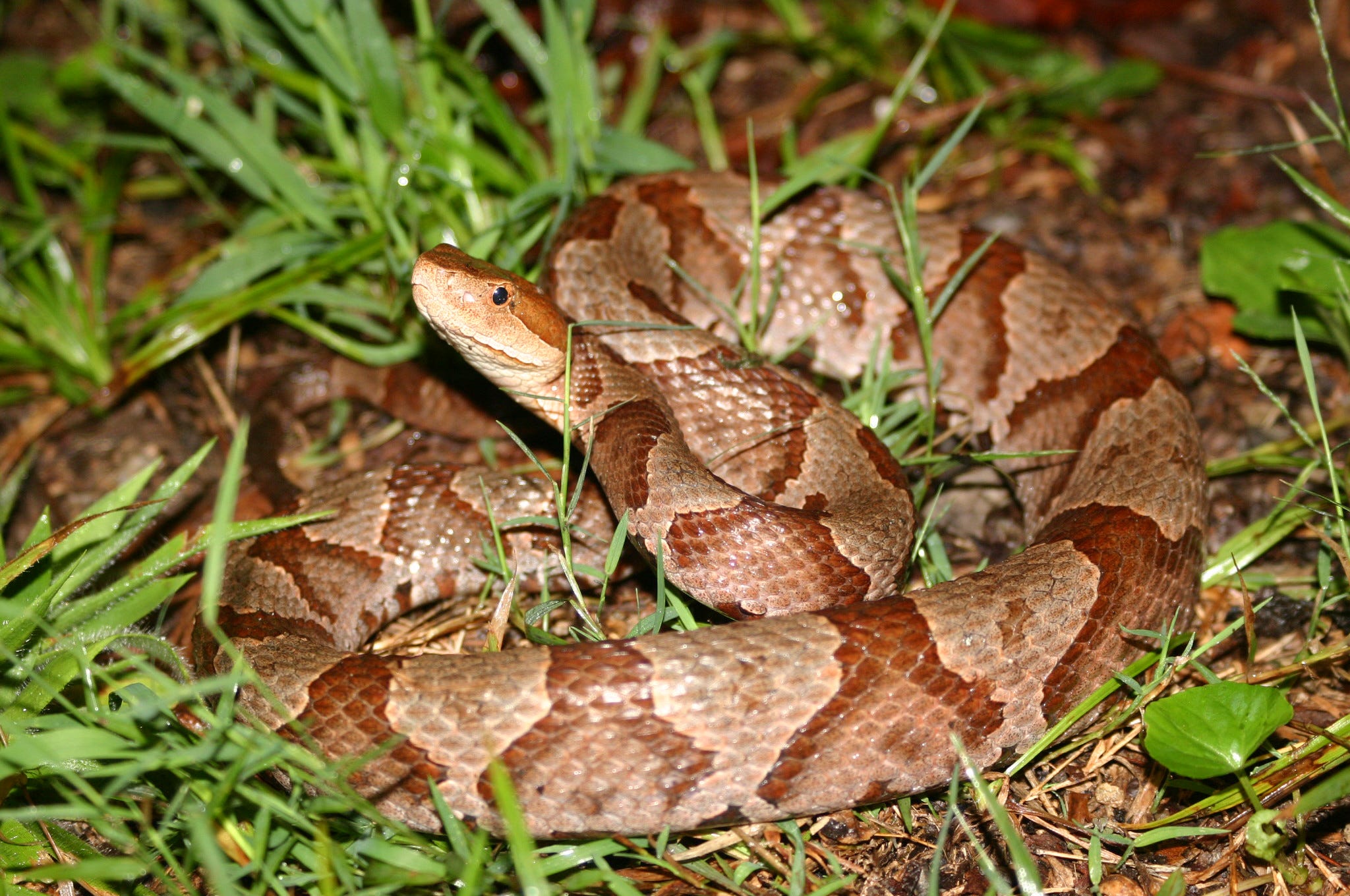
The eastern copperhead is one of the most commonly identified snakes in Delaware. It is typically found in southern Sussex County and near Wilmington. This snake is easily recognized by its copper-colored head, cat-like vertical pupils, and distinctive dark hourglass-shaped crossbands. Although bites from copperheads are rare, they can be painful and may cause tissue damage. However, only about 25% of defensive bites contain venom, and fatalities are extremely uncommon. If bitten, try to capture a photo of the snake and seek immediate medical attention.
Timber Rattlesnake
The timber rattlesnake is another venomous species found in Delaware. It is identifiable by its triangular head, large venom glands, and a rattle at the end of its tail. These snakes prefer habitats such as low mountain ranges and can vary in color from golden yellow to gray and green. While fatalities from their bites are rare, these snakes can still be dangerous. If bitten, move away from the snake and call for help immediately.
Black Widow Spiders
Black widow spiders are the only venomous spiders native to Delaware. They are often found in woodpiles, under eaves, and in areas with accumulated debris. Bites from black widows can be distinguished by two puncture marks on the skin and can lead to severe pain that spreads throughout the body. Although rare, these bites can be life-threatening, so seeking medical attention is crucial.
Snapping Turtles
Delaware’s snapping turtles are known for their powerful jaws, which can cause serious injury. While their bites may not amputate limbs, they can lead to infections requiring medical treatment. These turtles are generally less aggressive in water but can become aggressive on land, lunging and snapping at anything they perceive as a threat.
Coyotes
Coyotes are present in small numbers across Delaware. It's important to avoid feeding them or treating them like domestic animals, as this can lead to aggressive behavior. Most attacks occur when people attempt to feed or interact with wild animals. Always maintain a safe distance and never approach a coyote.
Mosquitoes
Mosquitoes are more than just a nuisance; they can transmit dangerous diseases such as Zika, West Nile, Chikungunya, dengue, and malaria. Using insect repellent and citronella candles can help reduce the risk of bites. Protecting yourself from mosquitoes is essential when spending time outdoors.
Ticks
Ticks are common in Delaware and can carry various diseases, including Lyme disease and others. When hiking or walking through grassy or wooded areas, wearing long pants and shoes can help prevent ticks from attaching. Applying DEET-based repellants and conducting thorough tick checks after being outside can also reduce the risk of infection. If a tick is found, it should be removed carefully with fine-tipped tweezers and disposed of properly.
Deer
While deer are generally docile, they can become aggressive if their young are nearby. Additionally, deer-vehicle collisions are a significant concern in Delaware. In 2023, over 1,600 crashes involved deer, with more than 830 reported this year alone. These collisions often occur between October and December, particularly during early morning and evening hours. If a collision occurs, remain calm, move to the side of the road, and call for emergency assistance.
Being aware of these potential dangers can help ensure a safer and more enjoyable outdoor experience in Delaware. Taking precautions and respecting wildlife can make all the difference in preventing harmful encounters.

Post a Comment for "Dangerous Creatures of Delaware: 8 Species to Know"
Post a Comment