Congresswoman Tours Food Bank Amid Major Challenges
A Growing Crisis in Food Assistance
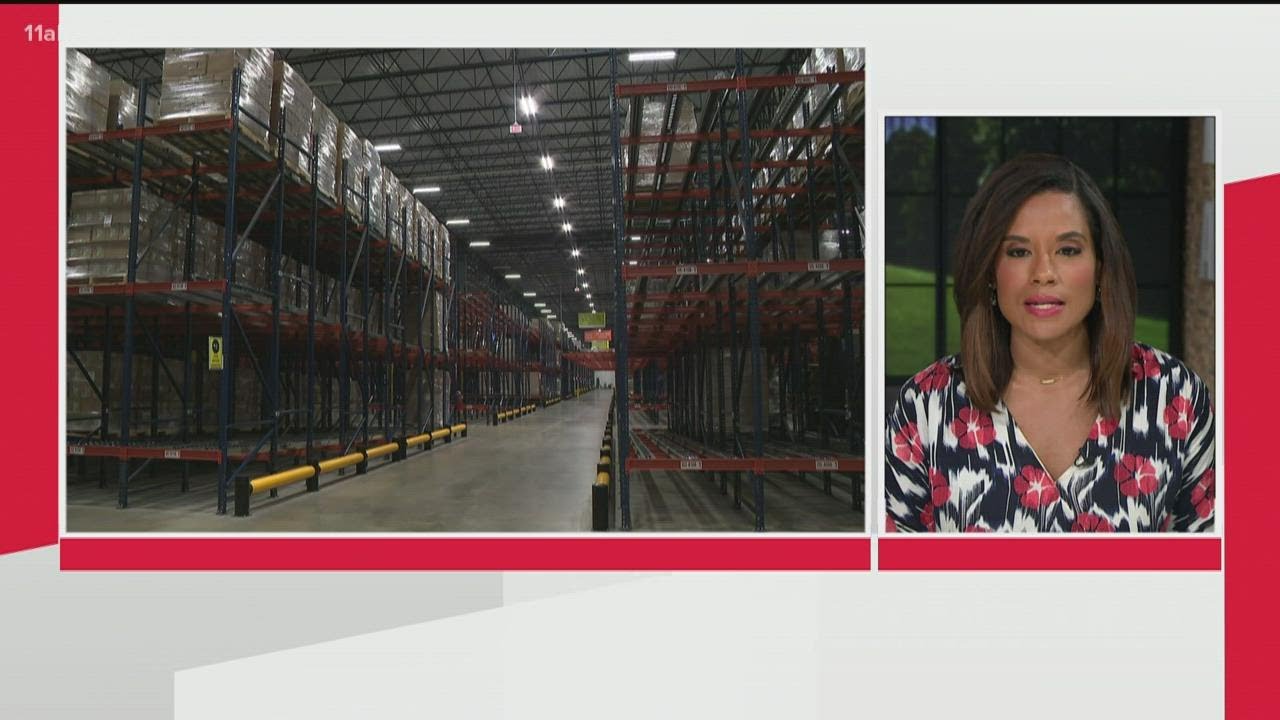
U.S. Representative Mary Gay Scanlon, a Democrat representing Pennsylvania’s 5th Congressional District, recently visited the newly renovated Share Food Program warehouse in Holmes to learn about the challenges the organization is facing due to federal policy changes. The program, which plays a critical role in food distribution across Delaware County, has seen a significant increase in demand while dealing with funding cuts and rising costs.
The Share Food Program is the primary agency responsible for distributing food through the State Food Purchase Program. In 2023, it broke ground on a 9,000-square-foot warehouse at 101 Amosland Road in Holmes, which will serve as a central hub for food distribution. Since its inception, the program has distributed over 3.6 million pounds of food to residents in the area. The facility is expected to be fully operational by the end of the year once it receives its certificate of occupancy.
During her visit, Scanlon met with George Matysik, the executive director of the Share Food Program, who expressed concerns about the impact of federal budget cuts. “We’ve had a 120% increase in folks coming to us since January 2022,” Matysik said. He highlighted that the program has lost $8.5 million in total funding, which has significantly affected its ability to support local food pantries and schools.
Federal Cuts and Their Impact
The Share Food Program serves 20 food pantries on a weekly basis and operates the National School Lunch Program, which reaches approximately 800 schools in the Delaware Valley region. The program also relies heavily on the Emergency Food Assistance Program (TEFAP) to supply food to local pantries. However, recent federal cuts have left the organization in a difficult position.
Matysik explained that the program is now facing an uncertain future, with potential reductions in funding from the U.S. Department of Agriculture. These cuts come at a time when food prices are rising, making it even harder for the program to meet the needs of the community.
In addition to funding issues, the program is also concerned about the impact of tariffs on food imports. A large portion of the produce distributed by the program comes from the Port of Philadelphia and the Port of Wilmington, with about 85% of the imports coming from Central and South America. Matysik fears that increased tariffs could lead to higher costs and fewer shipments, further straining the program’s resources.
Rising Demand and Limited Resources
At the Loaves and Fishes pantry in Prospect Park, Rev. Chris Heisey-Terrell, the director of the food pantry, shared his concerns about the growing number of families relying on the service. “Our numbers have gone up slightly, but we’re seeing more families than ever before,” he said. He noted that the demographics of the people seeking help have changed, with larger households becoming more common.
Heisey-Terrell also mentioned that private donations, which previously helped fill gaps in funding, have decreased. Last year, the pantry received 8,000 pounds less in donations compared to previous years. This reduction, combined with cuts to the Supplemental Nutrition Assistance Program (SNAP), has left the pantry struggling to meet the increasing demand.
“More people are going to be driven to food pantries, and we have less food to give,” Heisey-Terrell said. “It’s not looking good on the ground at all.”
A Call for Prioritization
Matysik emphasized the need for better prioritization in government spending. He pointed out that the cost of a single B-2 bomber is approximately $4.1 billion, while the cost of feeding a child for a school lunch is just $4.10. “How many kids could be fed for one B-2 bomber?” he asked.
As the Share Food Program continues to navigate these challenges, the need for stable funding and supportive policies has never been more urgent. With the new warehouse set to open soon, the program hopes to expand its reach and provide more assistance to those in need. However, without adequate support, the organization faces an uncertain future.

Post a Comment for "Congresswoman Tours Food Bank Amid Major Challenges"
Post a Comment