Churches in One State Embrace Surprising Stewardship Trend
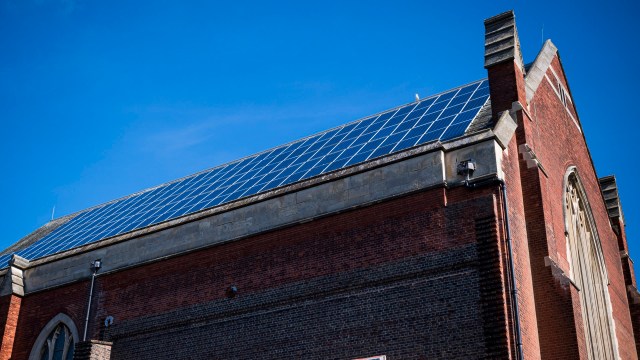
The Rise of Green Initiatives in Conservative Churches
While Indiana is known for its strong conservative political leanings, a growing movement is encouraging churches to embrace sustainability and environmental responsibility. This shift is gaining momentum, particularly with the installation of solar panels, which are becoming more common even among traditionally conservative evangelical congregations.
Rev. Robert Whitaker, a senior evangelical pastor, is at the forefront of this initiative. He is actively promoting the Creation Care Partners grant program, which aims to reduce the financial burden on churches interested in adopting green energy solutions. Despite the challenges, many evangelical churches are beginning to see the benefits of going solar, even if it takes time to overcome initial resistance.
One of the main obstacles is the perception that climate change is a politically charged issue. Many church members may downplay the role of human activity in global warming, making the decision to go solar seem more like a political statement than a practical one. Whitaker has noted that this perception is slowly changing, but it remains a hurdle for some congregations.
Another challenge is the preference of these churches to work within their own faith communities. Madeline Hirschland, founder of Hoosier Interfaith Power and Light, has observed this tendency. However, organizations such as the Evangelical Environmental Network are working to bridge the gap by providing a biblical rationale for transitioning to clean energy. They emphasize that caring for the planet is a divine responsibility, highlighting that the poor are often the most affected by environmental injustice.
For Whitaker, the key selling point in his outreach efforts is the potential savings that come with switching to solar energy. These savings can help free up funds for other essential programs within the church. With support from the Creation Care Partners, churches can significantly reduce their utility bills. For example, St. John's United Church of Christ in Illinois reportedly cut its monthly electricity bill by 90% after installing solar panels.
The transition to solar energy also helps reduce reliance on dirty energy sources that contribute to global warming and air pollution. By embracing clean energy, churches not only lower their carbon footprint but also set an example for their communities.
If you're considering installing solar panels at home, EnergySage offers free tools to connect you with trusted installers in your area. This can lead to significant savings, potentially up to $10,000 on installation costs.
A Call to Action
Whitaker feels a deep sense of duty to encourage reluctant congregations to embrace sustainability, driven by his faith. He believes that the concept of stewardship starts with a garden, and humans are entrusted with taking care of this beautiful place. This perspective is increasingly resonating with churchgoers who are beginning to see the value in protecting the environment.
As more churches across the state adopt this green trend, it's clear that the message of environmental responsibility is gaining traction. Whether through financial savings, a commitment to stewardship, or a desire to address environmental injustice, the move towards clean energy is proving to be a powerful and positive change.
By joining forces with organizations that provide both financial support and theological guidance, churches are finding new ways to align their values with sustainable practices. This shift not only benefits the environment but also strengthens the community by fostering a shared commitment to a healthier planet.

Post a Comment for "Churches in One State Embrace Surprising Stewardship Trend"
Post a Comment