Can You Get Vaccinated While Pregnant?
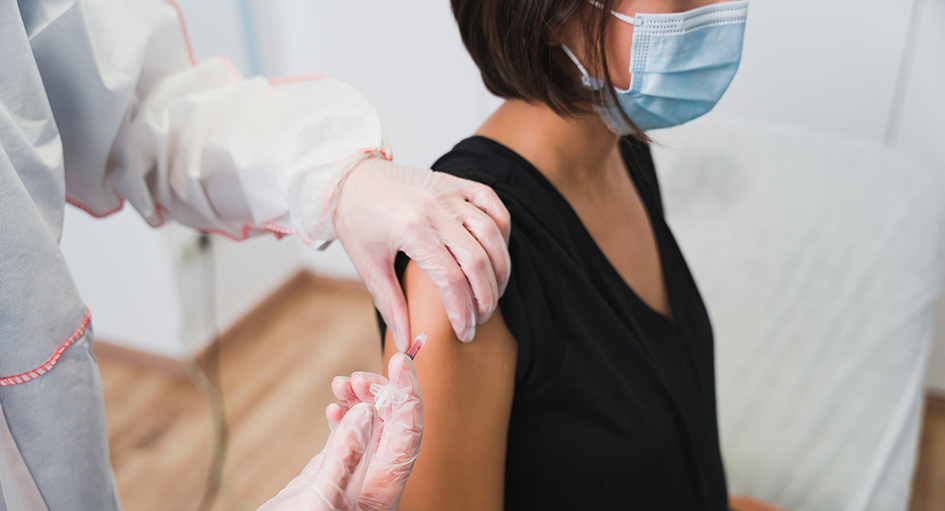
Understanding Vaccine Safety During Pregnancy
Pregnancy is a time when many women are more cautious about their health and the health of their unborn child. This includes decisions about vaccinations. While some vaccines are safe and even recommended during pregnancy, others should be avoided or delayed until after childbirth. Understanding which vaccines are appropriate can help ensure both the mother’s and the baby’s well-being.
Key Takeaways
- Certain vaccines are strongly advised during pregnancy to protect both the mother and the newborn.
- Others, such as the MMR vaccine and chickenpox vaccine, are not recommended during pregnancy due to potential risks.
- It's essential to consult with a healthcare provider to determine which vaccines are suitable for an individual's situation.
Are Vaccines Safe During Pregnancy?
The safety of vaccines during pregnancy depends on the type of vaccine being considered. Some vaccines are crucial for protecting pregnant women from serious illnesses that could harm both them and their babies. For example, the flu shot and Tdap vaccine are often recommended because they not only protect the mother but also provide antibodies that cross the placenta to shield the newborn before they can receive their own vaccinations.
Vaccines that use inactivated viruses are generally safe during pregnancy, while those containing live, attenuated viruses are typically avoided. The reasoning behind this is that live vaccines could theoretically cause disease in the mother or fetus, although the actual risk is very low.
Recommended Vaccines During Pregnancy
There are several vaccines that are considered safe and beneficial for pregnant women:
Flu (Influenza) Vaccine
Pregnant women are at higher risk for severe illness from the flu due to changes in their immune system. Getting the seasonal flu vaccine each year can significantly reduce the risk of hospitalization and complications. Research shows that the flu vaccine can cut the risk of flu-related hospitalizations by up to 40% in pregnant women and also protect the newborn by passing antibodies through the placenta.
Tdap (Tetanus-Diphtheria-Acellular Pertussis) Vaccine
This vaccine protects against tetanus, diphtheria, and whooping cough. Whooping cough is particularly dangerous for infants, and getting the Tdap vaccine during pregnancy helps provide protection for the first two months of the baby’s life. The CDC recommends receiving the vaccine between 27 and 36 weeks of pregnancy.
RSV Vaccine
Approved by the FDA in August 2023, the RSV vaccine (Abrysvo) is designed to prevent lower respiratory tract disease caused by respiratory syncytial virus. It can be administered between 32 and 36 weeks of pregnancy during RSV season. If a woman is not eligible for the vaccine during pregnancy, her baby can receive an antibody treatment called Beyfortus.
COVID-19 Vaccine
Pregnant women who contract COVID-19 are at higher risk for severe illness. Vaccination is recommended to protect both the mother and the newborn. While guidelines may vary, most leading medical organizations still advise pregnant women to get the latest updated COVID-19 vaccine.
Vaccines to Avoid During Pregnancy
Some vaccines are not recommended during pregnancy due to potential risks:
MMR Vaccine
The MMR vaccine contains live, attenuated viruses and is not advised during pregnancy. Women should avoid becoming pregnant for 28 days after receiving the vaccine.
Chickenpox (Varicella) Vaccine
Like the MMR vaccine, the chickenpox vaccine contains live, attenuated virus and is not recommended during pregnancy. Women should wait a month after receiving the vaccine before trying to conceive.
Human Papillomavirus (HPV) Vaccine
Although the HPV vaccine is not made from a live virus, it has not been extensively studied in pregnant women. If a woman becomes pregnant after starting the series, the remaining doses should be delayed until after pregnancy.
Vaccines That May or May Not Be Recommended
Some vaccines may be considered based on individual circumstances, such as travel or high-risk exposure. These include:
- Hepatitis A
- Hepatitis B
- Hib (Haemophilus influenzae type b)
- Meningococcal
- Pneumococcal
- Polio
- Anthrax
- Rabies
- Smallpox (recommended after exposure only)
- Yellow fever
Always Talk to Your Doctor
Healthcare providers play a crucial role in guiding pregnant women about which vaccines are appropriate. They can assess individual risk factors and recommend the best course of action. It's also important to discuss postpartum vaccination plans if certain vaccines cannot be received during pregnancy.
By staying informed and working closely with healthcare professionals, pregnant women can make educated decisions about their vaccinations and ensure the best possible outcomes for themselves and their babies.

Post a Comment for "Can You Get Vaccinated While Pregnant?"
Post a Comment