Best Time to Eat Watermelon for Weight Loss, Digestion, and Hydration
Understanding the Best Time to Eat Watermelon
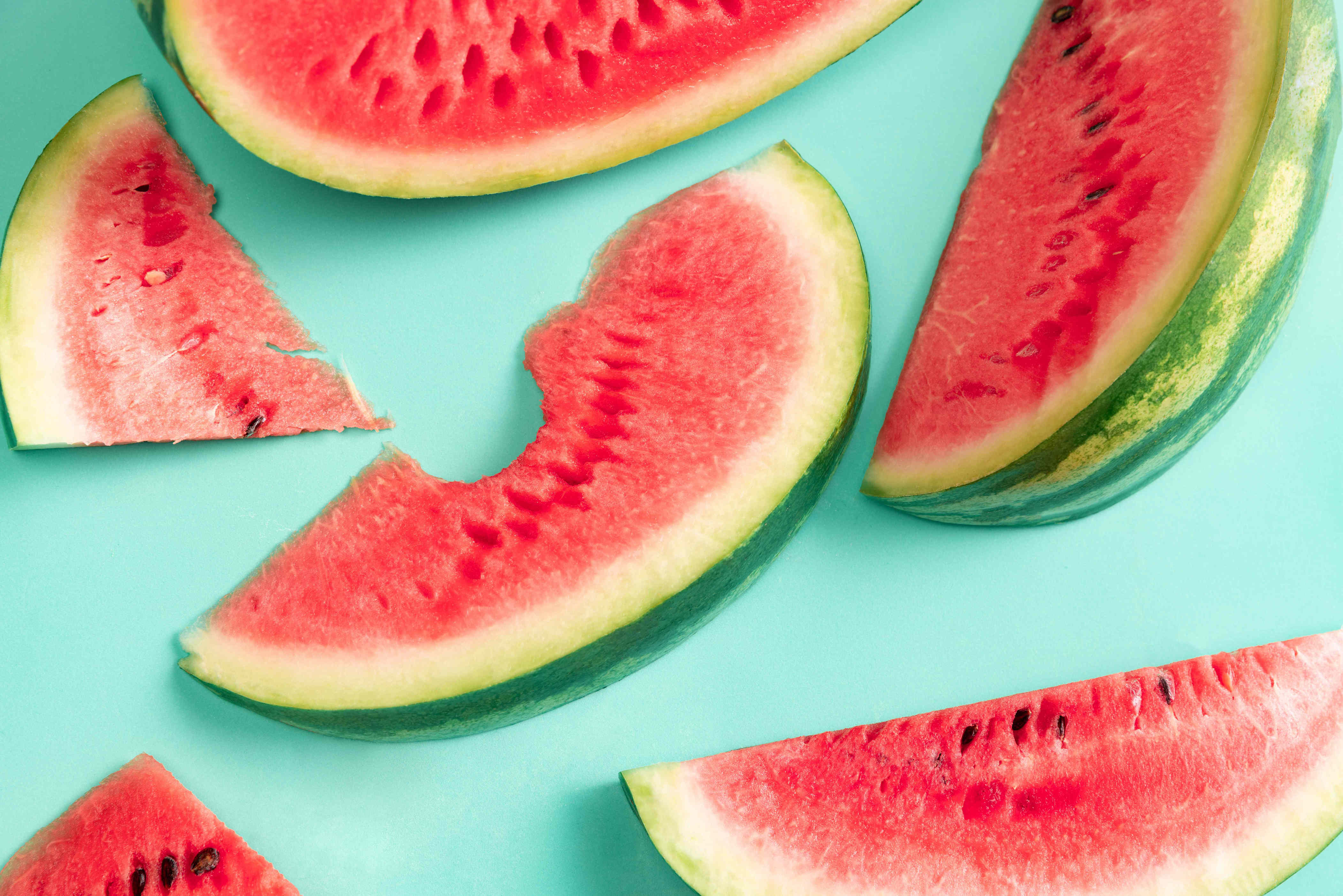
Watermelon is a popular fruit known for its high water content, making it an excellent choice for hydration. It also contains fiber, antioxidants, and essential vitamins that support overall health. While there are no strict guidelines on when to eat watermelon, it can be beneficial for different purposes such as weight loss, digestion, and staying hydrated throughout the day.
Watermelon for Weight Loss
When it comes to weight loss, watermelon can be a valuable addition to your diet. It is low in calories but high in nutrients, which makes it a filling option that can help control appetite. Eating watermelon before or after meals may help you feel full for longer, reducing the likelihood of overeating during main meals. This can be particularly helpful if you're trying to manage your calorie intake.
Eating watermelon as a snack is also beneficial. Its high water and nutrient content, combined with low calories, allows you to consume a larger volume without significantly increasing your calorie intake. A small study found that women who replaced their usual snacks with watermelon experienced a decrease in body mass index (BMI) and body weight after four weeks. The reason behind this could be that watermelon keeps you feeling full longer than other snacks like cookies.
Another factor to consider is that watermelon may help replace less healthy options. By choosing watermelon instead of processed or high-sugar foods, you can better manage your appetite and support weight management goals.
Watermelon for Digestion
For those looking to improve digestion, eating watermelon earlier in the day may be more effective. The high water content helps soften stool, making it easier to pass. This can be especially helpful for people dealing with constipation. Additionally, watermelon contains a small amount of fiber, which plays a role in promoting regular bowel movements and supporting gut health.
Fiber also helps feed the beneficial bacteria in the gut microbiome, contributing to a healthier digestive system. While some individuals may find that eating watermelon before bed increases the need to urinate due to its high water content, there is no strong evidence suggesting it's harmful to consume at night.
Watermelon for Hydration
Hydration is one of the most well-known benefits of eating watermelon. With about 91% water, it contributes to daily fluid intake and can be a refreshing way to stay hydrated. For those who struggle to drink enough water, incorporating watermelon into meals or snacks can be an effective strategy.
Eating watermelon in the morning or with breakfast can help restore hydration levels. Throughout the day, enjoying watermelon can maintain proper hydration. It's also a good idea to eat watermelon one to two hours before physical activity or exposure to heat, as it can help replenish electrolytes lost through sweat.
Electrolytes such as potassium and magnesium are present in watermelon, which can aid in maintaining balance and preventing dehydration. These minerals are essential for proper bodily functions and are often lost through urine and sweat.
Watermelon Nutrition Facts
A single cup of watermelon provides:
- Calories: 46
- Carbohydrates: 12 grams
- Magnesium: 15 milligrams
- Vitamin A: 865 international units
- Vitamin C: 12 milligrams
- Potassium: 170 milligrams
- Fiber: 0.6 grams
- Water: 139 grams
These nutrients contribute to overall health, including immune support and maintaining healthy blood pressure levels.
Key Takeaways
Watermelon offers several benefits, including hydration, digestion support, and weight management. While there is no specific time of day that is best for everyone, it can be incorporated into any meal or snack. Replacing higher-calorie snacks with watermelon may also assist in achieving weight loss goals. Whether eaten fresh, blended, or as juice, watermelon remains a nutritious and hydrating choice.

Post a Comment for "Best Time to Eat Watermelon for Weight Loss, Digestion, and Hydration"
Post a Comment