Back Pain Sufferers Demand Choices and Facts
Understanding Patient Preferences in Back Pain Management
When it comes to managing health conditions, many individuals prefer to have control over their decisions rather than being directed by others. This sentiment is especially true for people suffering from low back pain, a common and often persistent issue that affects millions of people worldwide. New research has shed light on the importance of providing patients with clear, balanced information so they can make informed choices about their treatment.
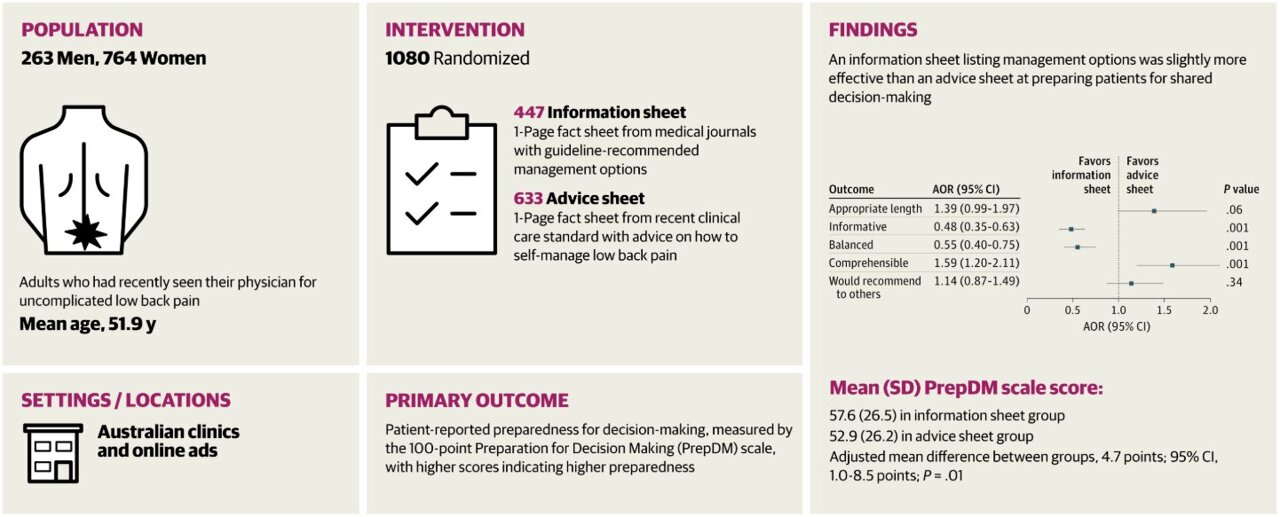
The study, published in JAMA Network Open, found that patients who were given detailed, evidence-based fact sheets were more prepared to engage in shared decision-making with their healthcare providers compared to those who received traditional advice-heavy materials. This shift in approach could significantly impact how medical professionals communicate with patients, emphasizing empowerment over prescription.
The Study's Methodology and Findings
The research was conducted by an international team of scientists, including Professor James McAuley, a leading expert in pain management at Neuroscience Research Australia (NeuRA) and UNSW Sydney. The study aimed to evaluate two types of patient resources commonly used in general practice clinics: one that listed various treatment options and another that provided specific recommendations.
Participants were randomly assigned to receive either the information-rich fact sheet or the advice-based material. The results showed that those who received the neutral, option-focused sheet felt more confident in discussing their treatment plans with their doctors. This finding suggests that a more collaborative approach to healthcare can lead to better outcomes for patients.
Importance of Patient-Centered Care
A key aspect of this study was the involvement of consumer advocates, such as Steve Marsh, who has lived with long-term back pain. He emphasized the need for clear, trustworthy information that facilitates meaningful conversations with healthcare providers rather than simply dictating what patients should do. This perspective highlights the growing movement toward patient-centered care, where the focus is on the individual’s needs and preferences.
The benefits of shared decision-making are well-documented, including increased patient satisfaction, reduced unnecessary medical tests, and improved adherence to treatment plans. However, this study is the first to demonstrate that the way information is presented can significantly influence a patient’s readiness to participate in these decisions.
Implications for Primary Care
Dr. Christian Longtin, the lead author of the study, noted that time constraints in primary care settings make it essential to provide efficient and effective resources. A well-designed one-page fact sheet could serve as a powerful tool if the tone and content are appropriately tailored. This approach not only respects the patient’s autonomy but also supports more informed and collaborative decision-making processes.
The study involved over 1,000 adults in Australia, most of whom had recently consulted a doctor for back pain. Participants were asked immediately after receiving the fact sheets how prepared they felt to make care decisions. The findings suggest that patient education materials should be designed with the goal of fostering engagement and empowerment.
Future Directions and Considerations
While the study highlights the potential benefits of balanced, information-rich materials, it also points out that neither type of fact sheet changed patients’ intentions to seek high- or low-value care, such as imaging or opioids. This indicates that additional strategies may be needed to influence patient behavior effectively.
Overall, this research contributes to a growing body of evidence supporting patient-centered care. It underscores the importance of tailoring educational materials to meet the needs of diverse patient populations and could influence how health services design resources for a wide range of conditions. As healthcare continues to evolve, the focus on empowering patients through informed decision-making will remain a critical component of quality care.

Post a Comment for "Back Pain Sufferers Demand Choices and Facts"
Post a Comment