Babies Born With Three-DNA Breakthrough Sparks Debate
A Major Scientific Achievement with Unanswered Questions
Ten years after the UK became the first country to legalize mitochondrial donation, the first results from this groundbreaking reproductive technology have been published. This technique, designed to prevent the transmission of genetic disorders, has led to the birth of eight healthy children, thanks to the efforts of scientists and doctors in Newcastle, England. While these outcomes are celebrated as a significant scientific achievement, they also raise important questions about transparency, safety, and the long-term implications of the technology.
The New England Journal of Medicine recently published two papers detailing a revolutionary fertility treatment that could prevent devastating inherited diseases. The technique, known as mitochondrial donation, was used to help 22 women who carry faulty genes responsible for conditions like Leigh syndrome. These disorders affect the body’s ability to produce energy at the cellular level, often leading to severe disability or death in infants.
The process involves creating an embryo using DNA from three individuals: nuclear DNA from the intended parents and healthy mitochondrial DNA from a donor egg. During the parliamentary debates preceding the Human Fertilisation and Embryology (Mitochondrial Donation) Regulations in 2015, concerns were raised about the effectiveness and potential side effects of the procedure.
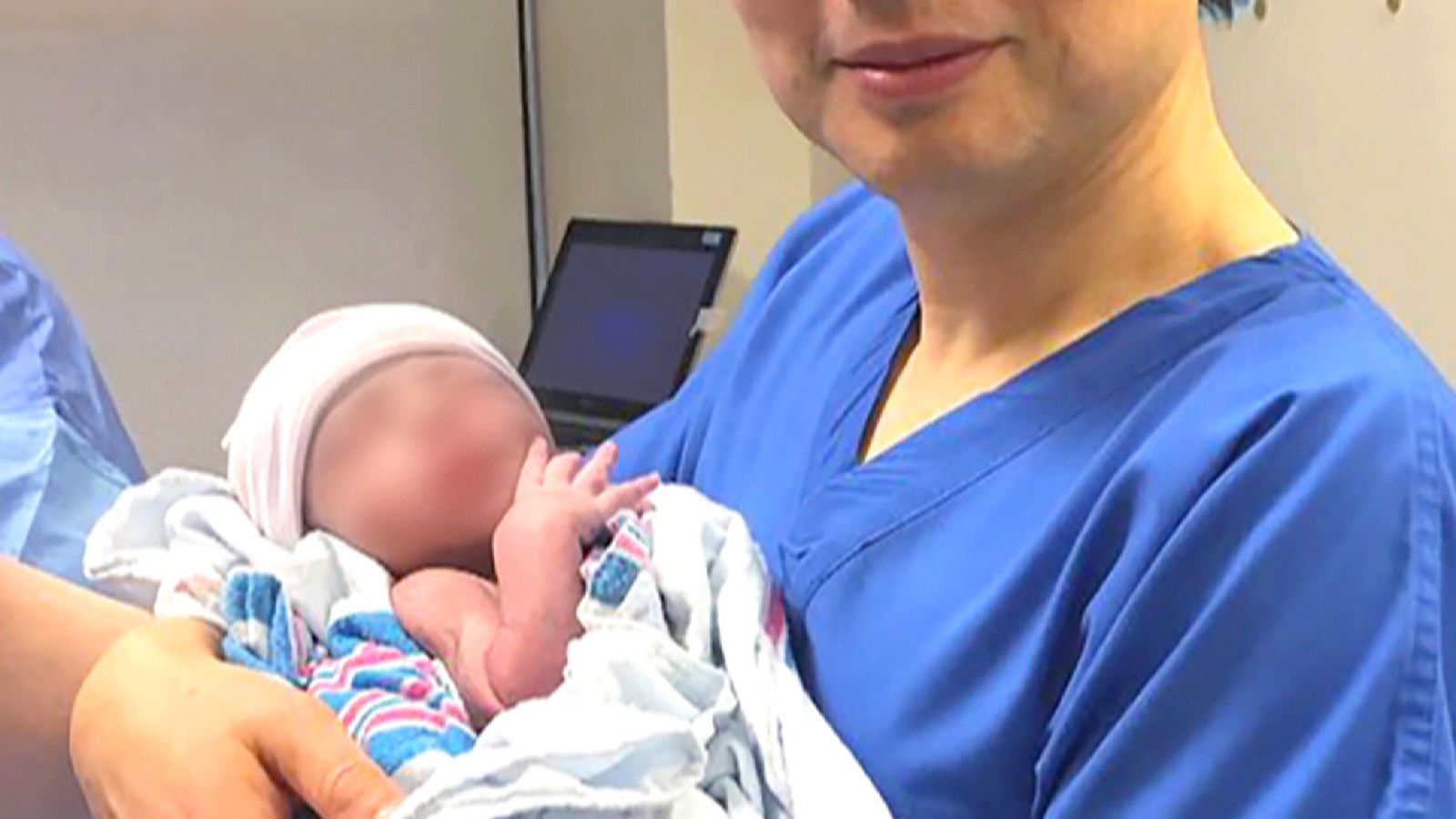
Despite these concerns, the birth of eight apparently healthy children marks a major milestone for the UK. The achievement has been widely praised by scientists and patient support groups. However, these results should not overshadow the critical questions they also bring to light.
Why the Delay in Public Updates?
One of the most pressing questions is why it has taken so long for updates on the application of this technology—its outcomes and limitations—to be made public. Given the substantial public financial investment in its development, transparency is essential. In a country positioning itself as a leader in the governance and practice of reproductive and genomic medicine, transparency should be a central principle. It not only supports the progress of other research teams but also ensures that the public and patients are well-informed.
What Do the Results Mean?
While eight babies were born using this technology, this number contrasts sharply with the initial prediction of 150 babies per year. The Human Fertilisation and Embryology Authority has approved 32 applications since 2017, but the technique was used in only 22 cases, resulting in eight births. Does this constitute sufficiently robust data to prove the technology's effectiveness? And was it worth the considerable efforts and investments over nearly two decades of campaigning, debate, and research?
As I wrote when this law was passed, officials should have been more realistic about how many people this treatment could actually help. Overestimating the number of potential beneficiaries risked giving false hope to families who would not be eligible for the procedure.
Safety Concerns
Another critical question is whether the technology is safe enough. In two of the eight cases, the babies showed higher levels of maternal mitochondrial DNA, meaning the risk of developing a mitochondrial disorder cannot be ruled out. This potential for a "reversal" was also highlighted in a recent study conducted in Greece involving patients who used the technique to treat infertility problems.
As a result, the Newcastle team no longer frames the technology as a way to prevent the transmission of mitochondrial disorders, but rather to reduce the risk. However, is this risk reduction sufficient to justify offering the technique to more patients? And what will the risk of reassertion mean for the children born through it and their parents, who may live with the continuing uncertainty that the condition could emerge later in life?
Some experts suggest testing this technology on women with fertility problems but without mitochondrial diseases. This would help doctors better understand the risks of faulty mitochondria returning before using the technique on those who could pass serious genetic conditions to their children.
Patient Experience and Access
This leads to a fourth question: what has been the patient experience with this technology? It would be valuable to know how many people applied for mitochondrial donation, why some were not approved, and among the 32 approved cases, why only 22 proceeded with treatment.
It also raises important questions about how patients who were unable to access the technology, or for whom it was ultimately unsuccessful, feel, particularly after investing significant time, effort, and hope in the process. How do they come to terms with not having the healthy biological child they had been offered?
Balancing Celebration and Responsibility
While it is important to celebrate these births and what they represent for the UK in terms of scientific achievement, some critical questions remain unanswered. More evidence is needed, and it should be communicated in a timely manner to make conclusions about the long-term use of the technology.
Breakthroughs come with responsibilities. If the UK wants to maintain its position as a leader in reproductive medicine, it must be more transparent about both the successes and limitations of this technology. The families still waiting to have the procedure—and those who may never receive it—deserve nothing less than complete honesty about what this treatment can and cannot deliver.

Post a Comment for "Babies Born With Three-DNA Breakthrough Sparks Debate"
Post a Comment