Arizona First Responders Struggle with Unpaid Health Care Claims
A Growing Crisis Among First Responders
For many first responders, retirement brings a mix of relief and uncertainty. While they may have served their communities for decades, the transition to retirement often comes with financial challenges, especially if they are not yet eligible for Medicare. That’s where programs like Thin Blue Line Benefits Association were supposed to help—offering gap coverage for those who need additional health insurance support.
Mark Boirum, a retired Phoenix Police Department officer, was one of those who turned to Thin Blue Line after retiring at 65. He had spent 30 years in law enforcement, serving his community with dedication. But when he found out he wasn’t old enough for Medicare, he sought out alternative options. Thin Blue Line, which marketed itself as a solution for first responders, seemed like a good fit. Boirum enrolled his wife, Sonia, and their daughter, hoping it would provide them with the security they needed.
Initially, things went smoothly. For the first 18 months, Boirum said he was “extremely pleased” with the service. But that changed last summer when the delays started. Sonia, who had relied on the plan for her medical needs, began avoiding doctor visits out of fear that she might be left with unexpected bills.
“We looked at what they offered and decided to give them a call,” Boirum said. “The first 18 months I was extremely pleased with them.” However, as the delays continued, the stress took a toll. The family estimates they have around $10,000 in unpaid claims, a situation that has left them feeling frustrated and helpless.
Boirum is not alone in his experience. Arizona’s Family Investigates discovered that many other first responders have faced similar issues with Thin Blue Line. In Ohio, the state attorney general obtained a temporary restraining order against the company, signaling serious concerns about its operations. Meanwhile, the Arizona Police Association (APA) and the Phoenix Law Enforcement Association (PLEA) have reported multiple members facing problems with the company.
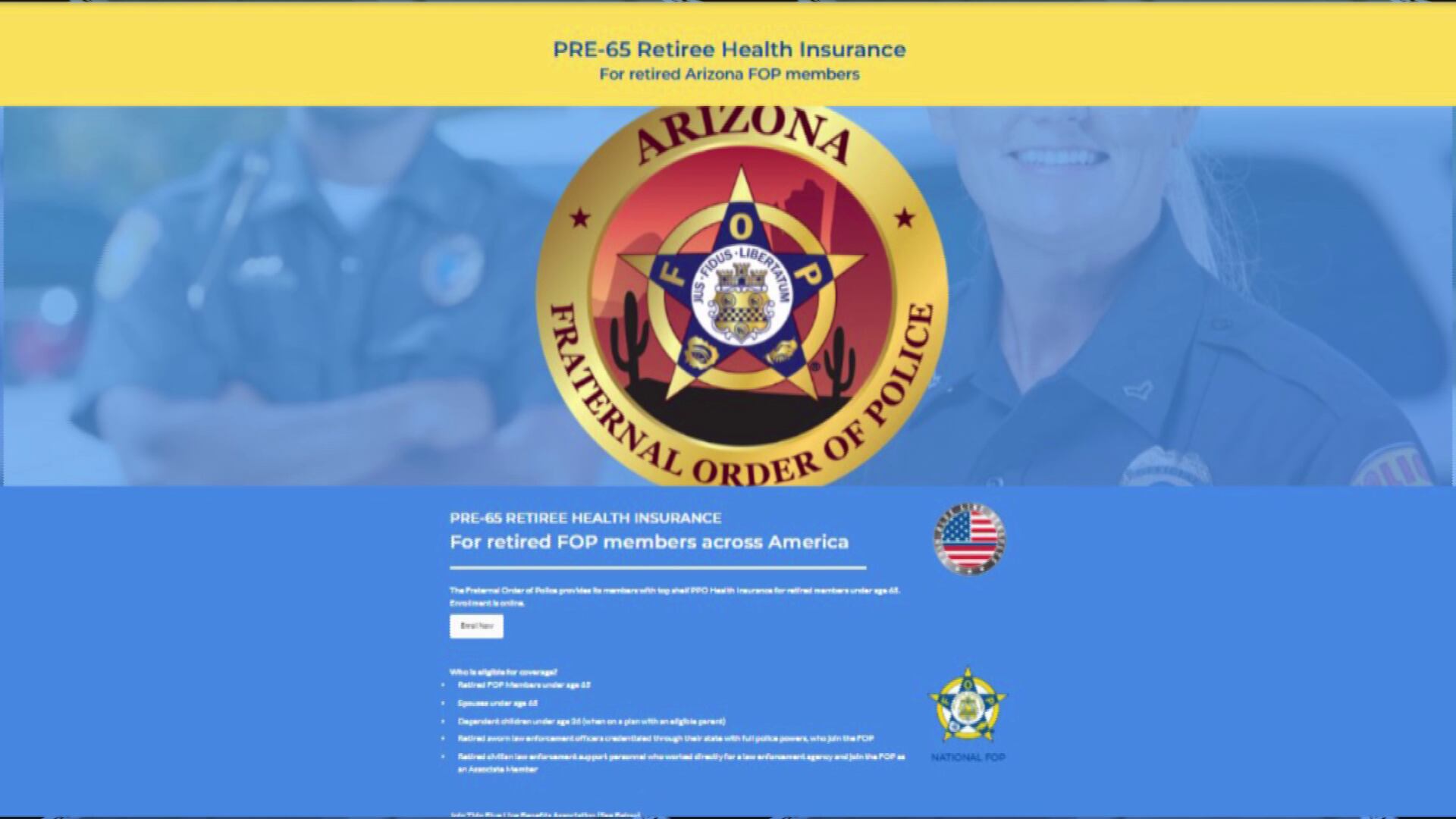
“It’s clear that people are paying for this service and not getting anything in return,” said Darrell Kriplean, president of PLEA. The APA also issued a warning on its Facebook page, expressing concern over the Fraternal Order of Police's continued endorsement of the plan.
Joe Clure, executive director of the APA, explained that the association felt it was necessary to alert its members about the potential risks associated with Thin Blue Line. “We needed to make sure our members knew there were issues with this particular company,” he said.
In response to these concerns, the Arizona Department of Insurance and Financial Institutions issued a cease-and-desist order against Thin Blue Line and its president and CEO. Regulators revealed that the company has nearly 4,700 members in Arizona and collected almost $6 million in premiums. Court documents also showed that the company is neither licensed nor registered in the state, and it has received multiple complaints since January.
Sonia Boirum tried calling the company while Arizona’s Family Investigates was present, explaining she had five unpaid claims. “Will they call me back? Because I’ve called before and nobody ever returns my calls,” she said to the operator. The operator assured her someone would get back to her, but the family remains skeptical.
Arizona’s Family Investigates reached out to the company and its owner through phone and email, but has not received a response. The cease-and-desist order means that Thin Blue Line can no longer operate in the state, but it does not address the issue of unpaid claims.
The Arizona Attorney General’s Office stated that prior to the court order, they had not received any complaints about the company. However, the situation continues to raise questions about the reliability of such insurance programs and the need for stronger oversight.
For now, the Boirum family is left in limbo, hoping that their claims will eventually be resolved. “We’re praying that they do. Praying, but I don’t have a lot of confidence that they will,” Boirum said. Their story highlights the growing concerns among first responders who rely on these programs for their health care and financial stability.

Post a Comment for "Arizona First Responders Struggle with Unpaid Health Care Claims"
Post a Comment