Arizona first responders demand payment for supplemental health care claims
A Growing Crisis for First Responders
For many first responders, retirement brings a mix of relief and uncertainty. While they may no longer be on the front lines, their health needs can still be significant. That’s why many turn to specialized insurance plans designed to cover gaps in traditional coverage. However, one such plan has now become the subject of serious concerns, with thousands of members reporting that their claims are not being paid.
Arizona’s Family Investigates has been looking into the Thin Blue Line Benefits Association after receiving numerous reports from its members. One of those members is Mark Boirum, a former Phoenix Police Department officer who served for over 30 years. “Just good memories,” he said, showing off keepsakes from his career. “Very enjoyable 30 years, a lot of memories. A chance to serve. I thoroughly loved what I did for a living.”
Like many retired first responders, Boirum wasn’t 65 years old, which meant he didn’t qualify for Medicare. That’s when he learned about Thin Blue Line, a company that marketed itself as offering gap coverage. He enrolled his family, including his wife, Sonia, and their daughter. “We looked at what they offered and decided to give them a call,” Boirum explained. “The first 18 months I was extremely pleased with them.”
But things changed last summer. Delays in claim processing began, and the situation escalated quickly. Sonia started avoiding doctor visits, fearing she would be responsible for the bills. “It was very stressful,” Mark said. “I just got tired out of it,” Sonia added. The family estimates they have around $10,000 in unpaid claims.
Arizona’s Family Investigates found that they’re not alone in their struggles. In Ohio, the state attorney general obtained a temporary restraining order against the company. Meanwhile, the Arizona Police Association (APA) and the Phoenix Law Enforcement Association (PLEA) have also reported issues among their members.
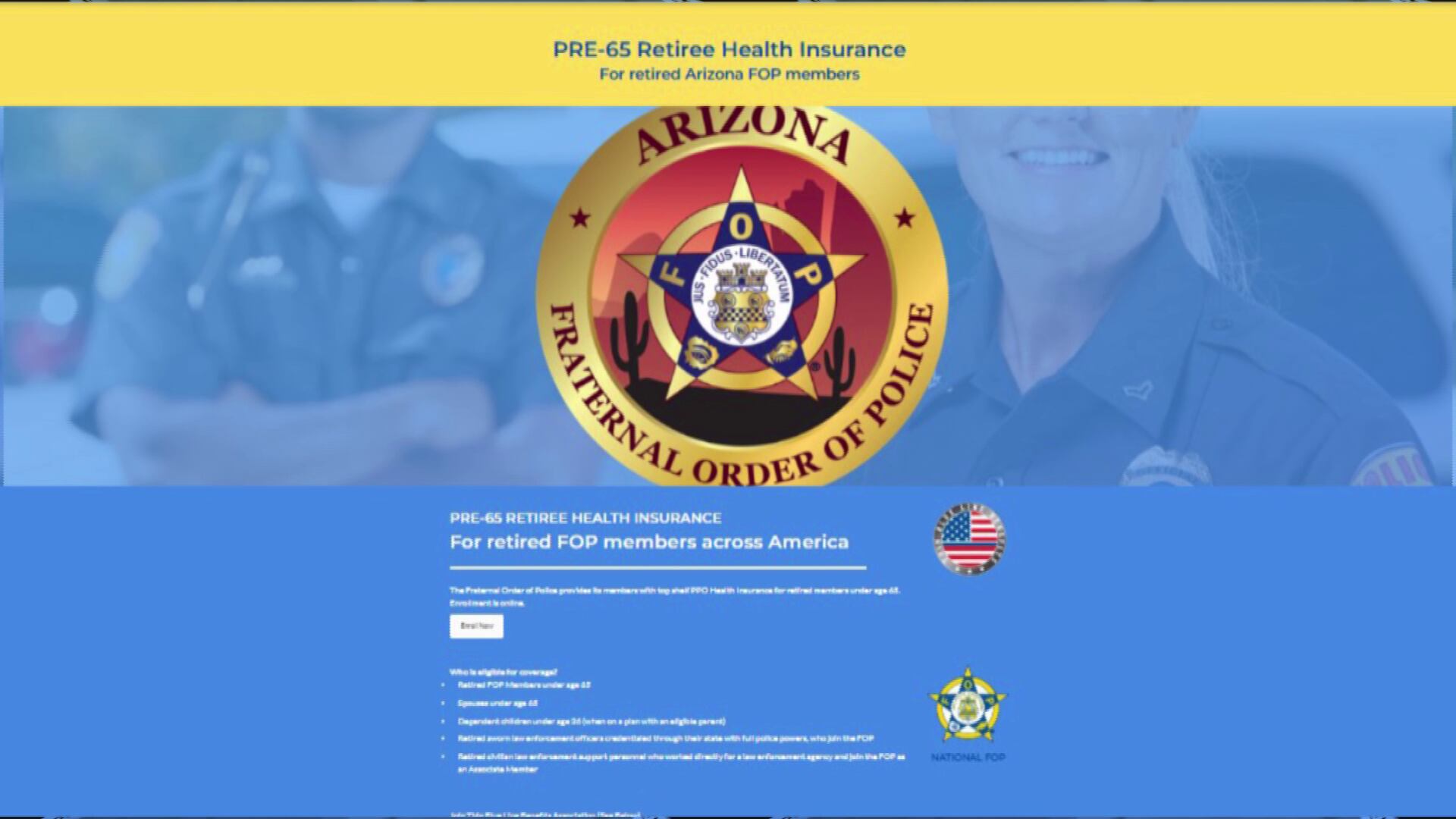
“They’re paying for that service and they’re not getting anything for it,” said PLEA president Darrell Kriplean. This concern led the APA to post a warning on its Facebook page. Part of the issue is that the Fraternal Order of Police continues to recommend the plan, despite growing concerns.
“Clearly, I felt we needed to alert our members that there are issues with this particular company,” said Joe Clure, executive director of the APA.
Regulatory Action and Ongoing Concerns
The Arizona Department of Insurance and Financial Institutions took action by issuing a cease-and-desist order against Thin Blue Line and its president and CEO. According to regulators, the company has nearly 4,700 members across Arizona, collecting almost $6 million in premiums. Court documents reveal that the company is neither licensed nor registered in the state and has received multiple complaints since January.
Sonia tried calling the company while Arizona’s Family Investigates was present, explaining she had five unpaid claims. “Will they call me back? Because I’ve called before and nobody ever returns my calls,” she said to the operator. The operator assured her someone would. However, the family isn’t optimistic about their claims being paid.
“We’re praying that they do. Praying, but I don’t have a lot of confidence that they will,” Boirum said.
Arizona’s Family Investigates reached out to the company and its owner by phone and email several times, but has not received a response. The court order means Thin Blue Line can no longer operate in the state, but it doesn’t address those with unpaid claims.
The Arizona Attorney General’s Office was contacted by Arizona’s Family Investigates. Prior to the court order being issued, they said they hadn’t received any complaints.
What’s Next?
As the situation unfolds, first responders like Boirum are left in limbo. They paid their premiums, expecting coverage, but now face uncertainty about whether they’ll ever see the money they were promised. With no clear resolution in sight, many are left questioning the reliability of the insurance plans they trusted.
For now, the focus remains on holding the company accountable and ensuring that those affected receive the support they need. Until then, the stories of frustrated members like Boirum continue to highlight a growing crisis within the first responder community.

Post a Comment for "Arizona first responders demand payment for supplemental health care claims"
Post a Comment