Are Fireflies Disappearing? A KY Expert Answers
Understanding the Decline of Fireflies in Kentucky
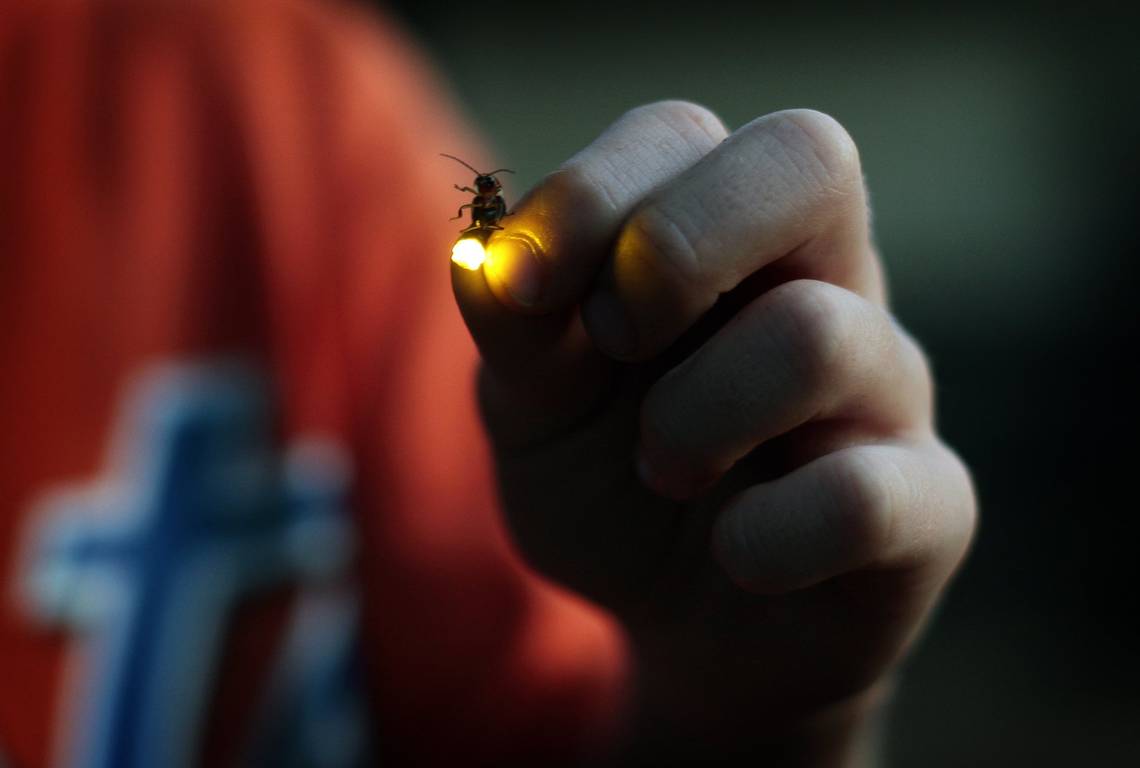
Fireflies, often referred to as lightning bugs, have long been a cherished part of summer nights in Kentucky. Their bioluminescent flashes create a magical atmosphere that many remember from their childhood. However, recent social media posts have sparked concerns about their potential extinction, citing factors such as habitat destruction, light pollution, and climate change. While these claims may seem alarming, the reality is more complex.
Although firefly populations are indeed declining, similar to many other insect species, there isn't a definitive census to track their numbers accurately. According to Jonathan Larson, an entomologist at the University of Kentucky, quantitative data on firefly populations is limited for most species. A 2024 paper highlighted this gap in research, noting that while there is evidence of population declines, the situation varies widely depending on the region and specific species.
Larson has observed an increase in firefly activity this year, even as late as July 14. He notes that it's unusual to see such numbers this late in the season, which suggests that some areas might still support healthy populations. However, he emphasizes the importance of ongoing conservation efforts, especially given the various factors that influence firefly habitats.
The 2024 study, led by UK researcher Darin J. McNeil, utilized data from the citizen science project Firefly Watch. It identified several factors affecting firefly populations, including soil conditions, land use changes, and climate change. The paper's abstract mentions that climatic and weather conditions play a significant role in firefly abundance, suggesting that some regions might become more favorable for fireflies while others could see a decline.
While fireflies may disappear from heavily developed areas, they could continue to thrive in rural regions like Kentucky if proper conservation measures are taken. Local conditions, such as an unusually wet spring, can also contribute to supporting firefly populations. However, it's important to note that fireflies spend up to two years as larvae, meaning that any positive changes in their environment would need to be consistent over time to have a lasting impact.
How to Attract Fireflies to Your Yard
To help support firefly populations, it's essential to understand the factors contributing to their decline. Habitat loss, herbicide use, and light pollution are among the primary threats. Herbicides used to manage overgrown areas can eliminate the spaces where fireflies hover and take shelter. Similarly, efforts to control mosquito populations by draining wetlands can negatively impact firefly habitats.
Male fireflies rely on open grassy areas to fly and flash their lights, while females signal from lower vegetation. Light pollution, particularly from security floodlights or decorative lighting, can disrupt this process. Many people associate light pollution with issues for stargazers, but it also poses a challenge for fireflies that struggle to compete with artificial light.
If you want to attract more fireflies to your yard, consider implementing the following strategies:
- Minimize light pollution: Use motion-activated sensors for security lamps instead of leaving exterior lights on all night.
- Reduce herbicide use: Explore integrated pest management practices, such as selecting appropriate plants or introducing beneficial predatory insects.
- Cultivate a pollinator garden: A garden that supports bees and butterflies can also benefit fireflies by providing a healthy ecosystem.
By making small changes in your outdoor space, you can contribute to the conservation of these enchanting creatures. If you have questions about wildlife or the outdoors in Kentucky, consider reaching out to local experts or participating in community science projects. Your efforts can make a difference in preserving the magic of fireflies for future generations.

Post a Comment for "Are Fireflies Disappearing? A KY Expert Answers"
Post a Comment