AI-Enhanced Fragrance Meets Epigenetic Skincare: The Bright Future of Beauty
The Rise of Intelligent Beauty
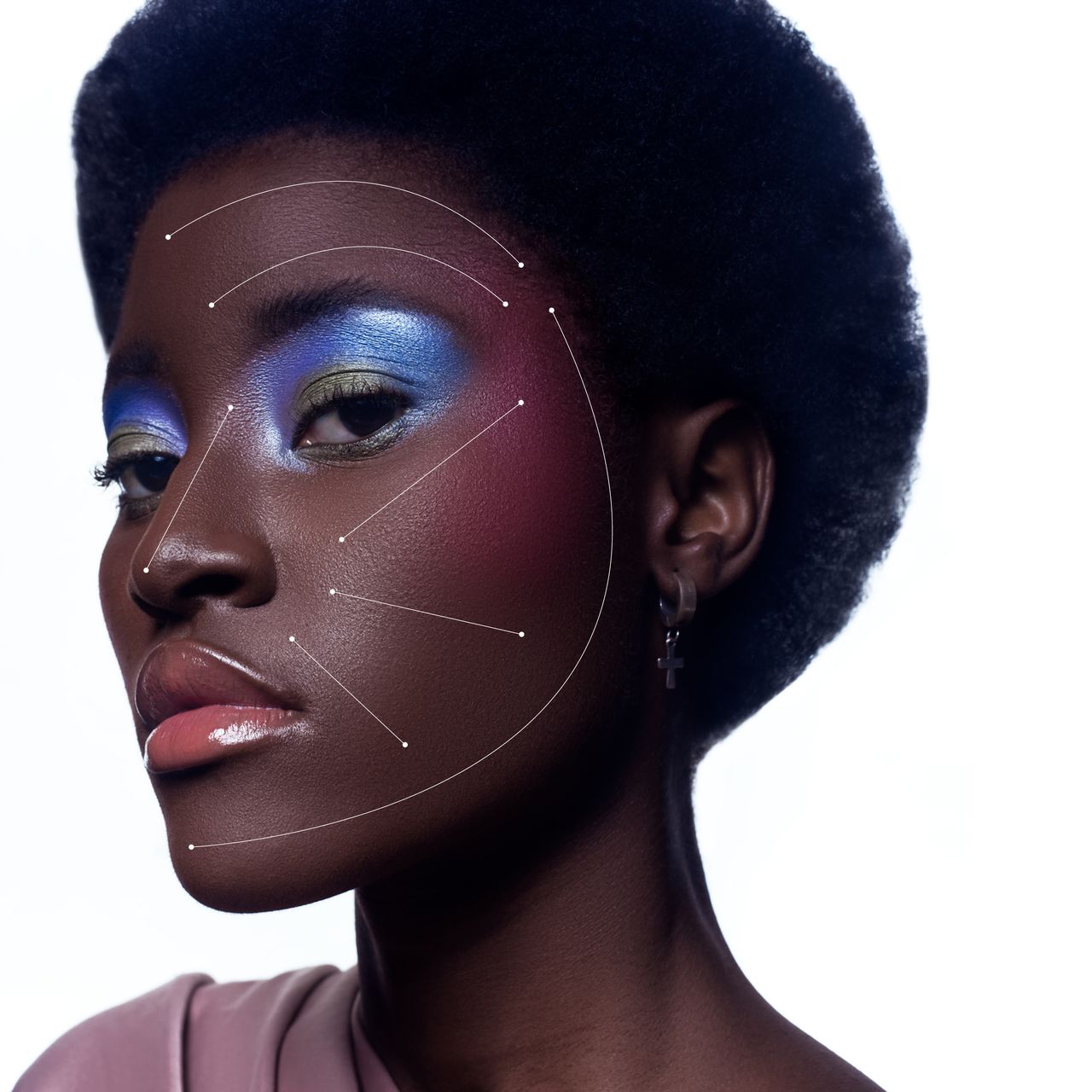
In today's world, beauty is no longer a one-size-fits-all concept. Instead, it's becoming increasingly personalized and tailored to individual needs. From your serum, which is crafted based on your DNA, to your fragrance, designed by an algorithm using a photo from your last vacation, the beauty industry is undergoing a transformation driven by technology. This new era of beauty is powered by intelligence but grounded in joy, creativity, and care. Technology isn’t replacing the magic—it’s enhancing it, creating a future that looks not just brighter, but more personal, inclusive, and full of innovation.
Fragrance: A New Frontier
Nowhere is this transformation more evident than in the world of fragrance. Technology is opening up new creative possibilities. Alex Wiltschko, CEO and Founder of Generation by Osmo, explains how his company teaches computers to smell. “We built a map of smell by training our olfactory intelligence (OI) model using a dataset of 5,000 aroma molecules across various categories like floral, fruity, or minty. By identifying patterns in the molecular structures, it can now predict, reproduce, and invent molecules and combinations that have never existed before.”
What once took years of trial and error in a perfumer’s lab can now be modeled and validated in a fraction of the time, unlocking not just new ingredients but entirely new frontiers of creativity. According to Wiltschko, this shouldn’t be seen as a threat. “OI doesn’t replace intuition, artistry, or the ability to create something deeply human,” he assures. “But it does remove blind spots and optimize formulas. It can check that a fragrance isn’t just a remix of something old. It can find molecular shortcuts that replace five. The magic happens when machines and human noses work together.”
AI and Inclusivity in Makeup
AI is also making waves in the makeup industry, particularly in shade development. Brands like Il Makiage are using hyperspectral imaging and machine learning to match foundation shades to consumers’ skin tones online with unprecedented precision. Platforms like Lalaland.ai are able to generate hyperrealistic models of every skin tone, type, and age to ensure their campaigns are truly inclusive.
L’Oreal Group acquired ModiFace, the global market leader in augmented reality and artificial intelligence for the beauty industry, to facilitate virtual makeup and hair color try-ons as well as offer consumers skincare diagnostics with the same accuracy and precision they would receive in real life and real time.
Epigenetics and Skincare
Beyond AI, there is also the rise of epigenetics and the intersection of biological interventions and skincare. Lucy Goff, founder of LYMA, explains how mastering genetic dials can change the aging process at a cellular level. Her laser device and nutraceutical formulations are designed to eliminate senescent cells, boost mitochondrial activity, and reprogram how the skin ages from within.
Beauty brands like Augustinus Bader are also founded upon the principles of epigenetics to address environmental and lifestyle factors to influence gene expression for optimum skin health. Recently, the brand’s CEO, Charles Rosier, teamed up with longevity guru Deepak Chopra and AI visionary Poonacha Machaiah to launch the AB Chopra Epigenetics platform, which merges genetic health profiling, biological diagnostics, psychological insights, and mind-body principles to offer a hyper-personalized, real-time protocol for optimized longevity and wellbeing.
Regenerative Medicine in Aesthetics
The shift towards personalization has already happened in skincare. Where once we all bought the same moisturizer off the shelf, today’s formulas are becoming algorithmic, iterative, and bespoke beyond what we ever thought possible. Dr Emma Craythorne, founder of Klira, explains that personalization in her world means ongoing adaptation. “One person might go through twelve formulations in a year. It’s not one-size-fits-all - it’s one-size-for-you at that precise moment in time.”
This logic is sweeping through haircare as well. Brands like Prose are blending hyper-tailored formulas based not just on scalp type or hair texture, but on everything from environmental pollution to diet quality and stress levels. Products are responding to our emotional state, with fragrance brands like Vyrao and Edeniste using neuroscientific insights to craft mood-based perfumes. Skincare brand Selfmade is taking things even deeper, creating skincare that addresses psychological triggers like stress and anxiety.
Joy in Everyday Beauty
Further to products that soothe or heal, beauty is also about bringing pure, unadulterated joy into the everyday. From sweet treats like Prada’s Banana Balm and Glossier x Magnolia Bakery’s Banana Pudding Balm to nostalgic throwbacks like the viral return of Clinique’s Black Honey, brands are tapping into emotion through flavor, memory, and a sense of playful indulgence.
The future of beauty is no longer limited to results that exist purely in the mirror. It’s integrated into what we feel, what we can track, and what we can tailor in real time. It lives in algorithms and genome maps, in scent molecules and skin microbiomes. It penetrates deep into our cells, extending their longevity and hacking their natural biological function. But more than that, the future of beauty is about joy—in self-expression, in playful experimentation, in the small rituals that make us feel more like ourselves. It’s not just about looking better, younger, or smoother. It’s about being deeply understood—and finding delight in that understanding.

Post a Comment for "AI-Enhanced Fragrance Meets Epigenetic Skincare: The Bright Future of Beauty"
Post a Comment