A New Galaxy Watch 8 Feature Raises a Small Concern – Hoping It's Just a Calibration Problem
A Deep Dive into the Galaxy Watch 8 Classic
After using the Galaxy Watch 8 Classic for 48 hours, I find myself increasingly drawn to its design and functionality. The aesthetic appeal and comfort of the watch are immediately noticeable, and the health and wellness features offered by Samsung have proven to be quite impressive.
One feature that caught my attention is the Running Coach. During my first test, I realized it wasn't my best day, as the watch set a goal of running 15 kilometers in under one hour and 42 minutes. While I can complete a half marathon under that time, the feature still provided a useful benchmark for improvement.
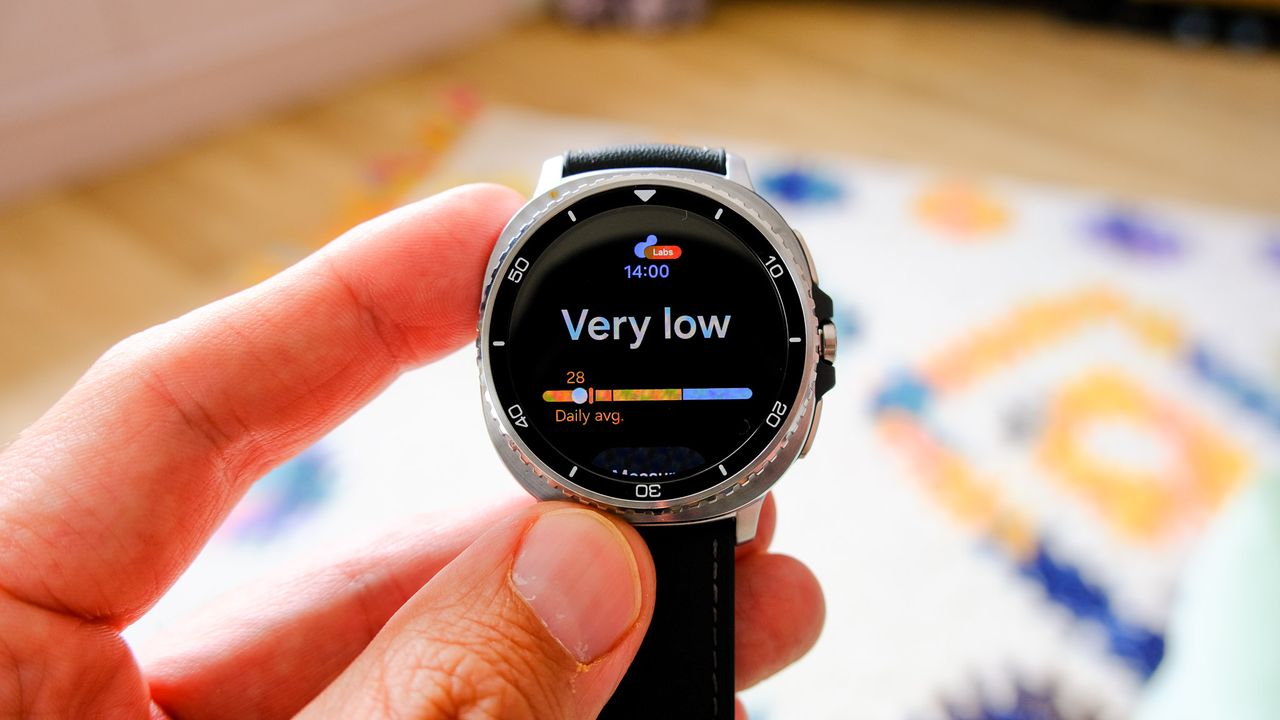
Another new feature I was eager to try out is the Antioxidant Index. This feature is unique because it measures antioxidant levels without requiring invasive procedures like blood tests. Instead, the watch uses optical sensors to read skin carotenoids through LED light. To use this feature, you press your thumb against the sensor, which temporarily pushes aside blood capillaries for a manual measurement.
The results provide a general insight into dietary habits rather than a full clinical assessment. This method isn’t meant to replace medical testing but serves more as a trend-based indicator.
My diet isn't perfect, but I do make an effort to include five servings of fruits and vegetables daily. I usually have a banana, some tomatoes, and an apple, along with nuts and various vegetables in my meals. Despite these efforts, my initial reading was "Very Low" at 32 out of 100. I was genuinely surprised, as I didn’t expect such a low score.
My wife was curious about the feature and tried it on her thumb, receiving the same result. We were just testing if the readings would vary between individuals, even though this isn't the intended use. We then tried another body part—my big toe—but the reading remained similar, dropping slightly to 31.
Determined to see if the algorithm could recognize my healthier habits, I ate more vegetables and went to bed. The next morning, after breakfast, I checked the Antioxidant Index again, and the score had risen to 41—still "Very Low," but an improvement. I consider this progress, though I wonder how long it will take for the algorithm to adjust and whether my score will continue to improve over time.
Even if the index isn’t a medical-grade tool, it’s a reminder to maintain a balanced diet. Eating more fruits, vegetables, and nuts is beneficial regardless of the current score. It's similar to the argument around climate change: switching to renewable energy sources doesn’t hurt, no matter the cause of warming.
I remain interested in improving my Antioxidant Index through better dietary choices or potential algorithm adjustments. While it may not be a substitute for medical testing, it adds value to the already extensive range of gamified health features on the Galaxy Watch 8.
If the only purpose of the Antioxidant Index is to make the Galaxy Watch 8 more engaging, I’m all for it. It's a clever way to encourage users to pay more attention to their health in a fun and interactive manner.

Post a Comment for "A New Galaxy Watch 8 Feature Raises a Small Concern – Hoping It's Just a Calibration Problem"
Post a Comment