A Hairstylist's Journey With Alopecia: Lessons on Real Beauty
The Power of Hair and the Struggle for Identity
In many cultures, hair is more than just a physical feature. It represents pride, power, and personal expression, often serving as a reflection of identity. For many Latinas, especially those with curly or Afro-Latina hair, this relationship with hair can be complex and filled with contradictions. We are often told to embrace our natural curls, yet simultaneously encouraged to straighten them. We are urged to celebrate our heritage, but only within the confines of a standard that doesn't always align with our own.
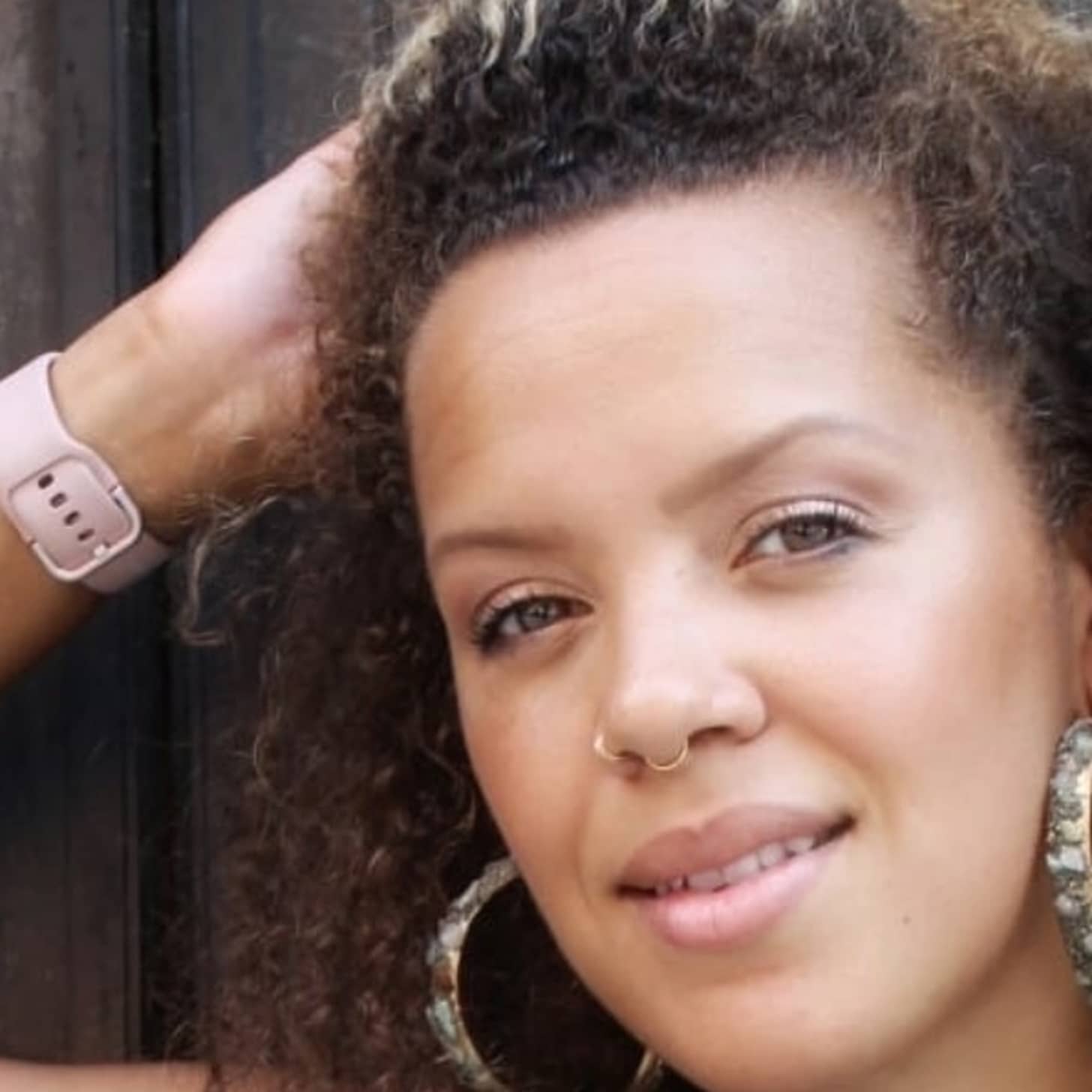
Growing up as my Puerto Rican mother's first mixed-race child, I found myself in a unique position. My hair was both a source of beauty and a challenge. It was loved, but not always understood, leading us to local Dominican salons where straight hair was the norm. Torn between embracing my natural curls and conforming to societal expectations, I eventually found confidence in letting my curls be free.
However, this journey took an unexpected turn. A year into my career as a hairstylist, I began experiencing intense scalp pain, swelling, and unusual shininess on my scalp. It took me two years to see a dermatologist, and over the next few years, I bounced between doctors, misdiagnoses, medicated shampoos, and topical treatments, all without finding answers. As an established hairstylist, I felt lost and disconnected from the work I once loved.
It wasn’t until after having my daughter in my late 20s that someone finally suggested a biopsy. At around 27 or 28, I received a confirmed diagnosis: lichen planopilaris (LPP), a rare autoimmune condition that causes scarring alopecia. Essentially, my immune system was attacking my hair follicles, causing them to scar and preventing regrowth.
I tried everything—oral treatments, painful steroid shots, and more—but my crown began to show signs of balding. Small, shiny spots developed, which later scabbed and scarred. I had worn short hair by choice before, but this time, it wasn’t my decision. I felt completely betrayed by my own body. The one thing I fought so passionately for as my source of physical expression had now been taken away from me without my consent.
As a hairstylist, the irony was heavy. I was the one helping women fall in love with their look, but I couldn’t do the same for myself. There were days when I missed the ability to switch it up, wear it big, or just feel carefree with my natural hair. I was losing myself while losing my hair.
There are so many misconceptions about alopecia. People often think of small bald patches or assume it’s caused by stress. They don’t know about the inflammation, the pain, or the rare scarring types like mine. One dermatologist even attributed my alopecia to my Blackness, assuming that I must have worn braids or used harsh chemicals. I didn’t. That was never part of my hair story.
Thankfully, I eventually found providers who gave me better insight. They explained that LPP is more common in women of African American descent not because of how we style our hair, but because of our genetics. Once I had that clarity, I started advocating not just for myself, but for others too. Now, I help my clients look good and stay healthy. I’ve spotted early signs of alopecia, caught vitamin deficiencies, and supported clients in getting answers they didn’t even know they needed. This condition has made me a better stylist—more informed, more empathetic, and more focused on wellness from the root.
LPP has taught me that beauty is deeper than hair and encompasses so much more than the traditional vision of a woman that we are conditioned to subscribe to. As a biracial Afro-Latina, I had to redefine what confidence truly looks like. I tell my daughter all the time, “Be kind. Be warm. Be smart. Be funny. That’s what makes you beautiful, because physical beauty can be taken away from you at the drop of a dime.”
In this journey, I've learned that the real crown isn't what's on your head, it's what's in your heart. If there's one message I hope people take from my story, it's that we are more than our hair. We are our laughter, our resilience, our culture; we are our fight and our joy. Afro-Latinas have carried so much history in our coils and curls, but also in our hearts. Let's honor that. Let's celebrate each other for how we show up, not just how we look.
And maybe, just maybe, the hairstylist who lost her hair is exactly who she was meant to become. Not just someone who creates beauty, but someone who reminds you that it was there all along; you just needed a little guidance.

Post a Comment for "A Hairstylist's Journey With Alopecia: Lessons on Real Beauty"
Post a Comment