7 Smart Ways to Use Hydrogen Peroxide for Pest Control and Plant Growth
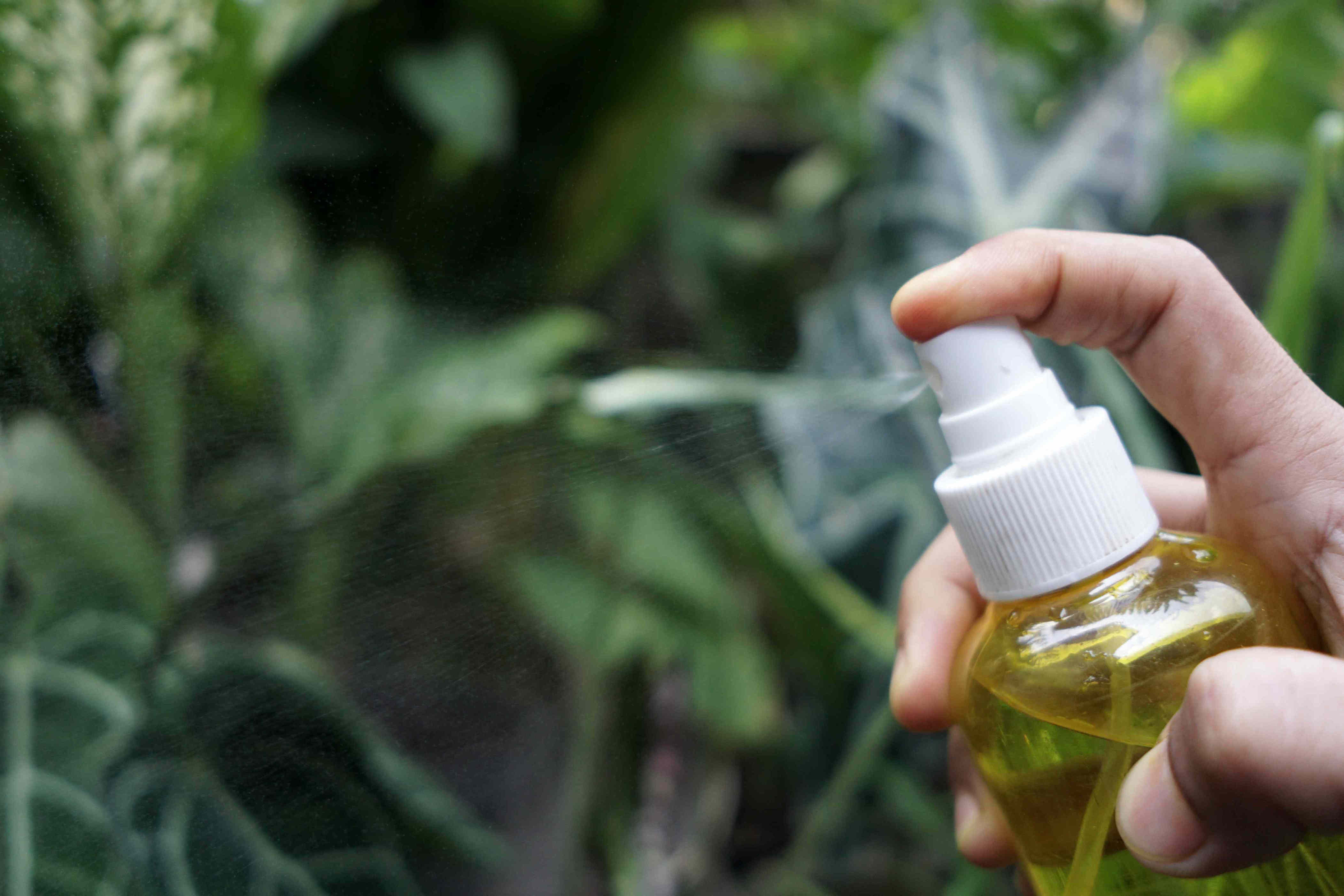
Hydrogen Peroxide: A Versatile Tool for Gardeners
Hydrogen peroxide is a common household item that many people associate with first aid, but it also has numerous applications in gardening. From treating plant diseases to improving soil quality, this simple solution can be a game-changer for both indoor and outdoor plants. Whether you're an experienced gardener or just starting out, understanding how to use hydrogen peroxide effectively can help you maintain healthier, more vibrant plants.
Treating Fungal Infections
Fungal infections such as powdery mildew and downy mildew are common issues in gardens. Fortunately, hydrogen peroxide can be an effective treatment for these problems. Tammy Sons, a master gardener and founder of TN Nursery, shares her experience using hydrogen peroxide as a mist on leaves when she notices the first signs of powdery mildew. She emphasizes that while it's not a guaranteed solution, it’s a low-cost and safe method worth trying.
To treat these fungal infections, create a 3:1 solution of water and 3 percent hydrogen peroxide. Spray the affected plants, including the undersides of leaves, using a spray bottle. Lucie Bradley, a gardening and greenhouse expert at Easy Garden Irrigation, recommends applying the solution early in the morning so it can dry before the heat of the day. Repeat the treatment every few days until the infection clears up.
Removing Root Rot
Root rot is a serious problem that can occur when potted plants are overwatered or have poor drainage. Hydrogen peroxide can help address this issue by releasing oxygen as it decomposes, which improves soil aeration. This increased oxygen availability helps the roots breathe better.
To treat root rot, remove the plant from its pot and gently loosen the soil around the roots. Use clean scissors to cut away any infected parts. Then, prepare a 1:1 solution of 3 percent hydrogen peroxide and water, and spray the roots thoroughly before repotting the plant in fresh soil.
Preparing Soil for Transplanting
Even if your plants don’t show signs of root rot, using hydrogen peroxide during transplanting can be beneficial. Tammy Sons uses a couple of tablespoons of hydrogen peroxide per quart of water when moving outdoor plants into pots or transplanting one potted plant into a new container. She finds this especially useful for young, delicate roots, as it provides them with extra oxygen during the stressful process of transplanting. However, she cautions against overusing the solution, as it can harm younger plants.
Eliminating Aphids
Aphids can quickly infest plants and cause significant damage. A mixture of hydrogen peroxide and water can help control these pests. According to Lucie Bradley, mix 1 part 3 percent hydrogen peroxide with 4 parts water and spray the solution directly onto the infested plants. Ensure that the aphids come into direct contact with the solution, as it can damage their exoskeletons and help reduce their population.
Eradicating Fungus Gnats
Fungus gnats can be a persistent problem in houseplants. Hydrogen peroxide can be used to target both adult gnats and their larvae. To eliminate the eggs and larvae, let the soil dry out first, then drench it with a 4:1 solution of water and 3 percent hydrogen peroxide. Repeat this process once a week until the infestation is gone. For adult gnats, ensure direct contact with the solution to kill them effectively.
Encouraging Seed Germination
Soaking seeds before planting can improve germination rates, and hydrogen peroxide can be used for this purpose as well. Mix 1 part 3 percent hydrogen peroxide with 8 parts water and soak the seeds for 30 minutes to an hour. Afterward, rinse them in water and soak them again for 10 to 11 hours before planting. This method works best with larger seeds that typically take longer to germinate.
Sterilizing Soil
Sterilizing soil with hydrogen peroxide can help eliminate harmful bacteria and fungi. For small amounts of soil, such as for houseplants, place the soil in a container with drainage holes and drench it with a 1:1 solution of hydrogen peroxide and water. Mix the soil thoroughly and allow it to dry before using it for potting.
For larger quantities, spread a thin layer of soil over a plastic sheet and spray it with a solution of half a cup of 3 percent hydrogen peroxide mixed with a gallon of water. Ensure the soil is moist but not overly wet. Allow it to dry for three to four hours before using it in your garden.

Post a Comment for "7 Smart Ways to Use Hydrogen Peroxide for Pest Control and Plant Growth"
Post a Comment