12 Leftovers and Their Shelf Life
Understanding the Shelf Life of Leftovers
Saving leftovers is a practical way to cut costs and reduce food waste, especially when food prices are rising. However, it's important to understand how long different types of food can safely be stored in the refrigerator or freezer. Proper storage not only helps maintain the quality of your leftovers but also prevents the growth of harmful bacteria that can cause foodborne illness.
Dairy-Based Foods
Dairy-based foods like cream sauces, soups, and gravies should be refrigerated as soon as possible after being cooked. These items typically last between three to four days in the fridge and up to six months in the freezer if properly packaged. The temperature in the refrigerator should be kept between 32 and 38 degrees Fahrenheit to ensure freshness. If you plan to freeze them, use moisture-resistant containers and store at 0 degrees Fahrenheit or below.
Meat and Poultry
Most meat leftovers, including steak, hamburgers, ground beef, pork chops, and lamb, can be safely stored in the refrigerator for three to four days. Deli meats may last slightly longer. For extended storage, fully cooked meat can be frozen for two to six months. Poultry, such as chicken, should be consumed within three to four days when refrigerated. Cooked chicken sausage and deli meat can last up to one week due to higher sodium levels. Always reheat leftovers to an internal temperature of 165 degrees Fahrenheit to prevent foodborne illness.
Fish and Shellfish
Cooked fish and shellfish should be cooled to 41 degrees Fahrenheit or below within two hours of cooking. They can be stored in the refrigerator for three to four days or frozen for up to three months. Sushi containing raw seafood should be consumed within one to two days, while cooked sushi can last three to four days. Freezing sushi may affect texture and taste, so it's best to consume it fresh.
Pizza
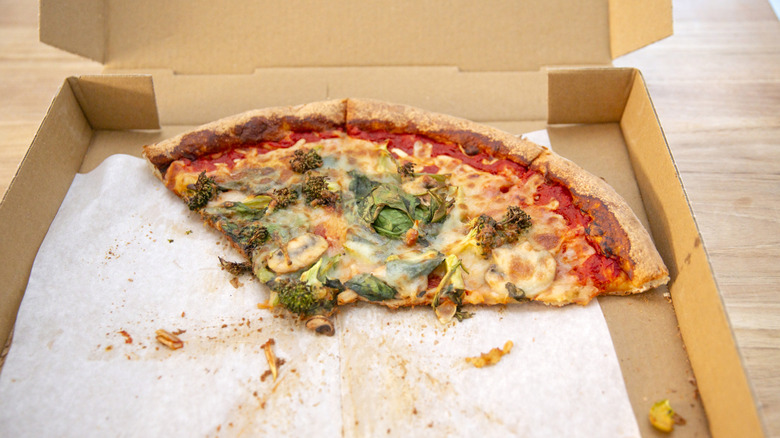
Leftover pizza should not be left at room temperature for more than two hours. It can be stored in the refrigerator for three to four days or frozen for one to two months. To maintain quality, wrap slices tightly in plastic or foil and avoid using cardboard boxes, which can dry out the pizza. Reheating on a griddle can help restore the crust and cheese.
Salads
Salads can be tricky to store due to their delicate ingredients. To keep them fresh, apply dressing only to the portion you plan to eat immediately. Store separate components in individual containers and use paper towels to absorb excess moisture. Avoid storing salads in the coldest part of the refrigerator, as this can cause lettuce to freeze. Leftover salads can last three to four days when stored properly.
Pasta and Rice
Properly stored pasta and rice can last three to four days in the refrigerator. Both can become breeding grounds for bacteria if left in the temperature danger zone (40-140°F) for more than two hours. When reheating, ensure they reach 165 degrees Fahrenheit. Fried rice is a great way to reuse leftover rice.
Soups and Stews
Soups and stews should be cooled quickly and stored in airtight containers within two hours of cooking. They can last three to four days in the refrigerator or two to three months in the freezer. Remove any fat before freezing to maintain quality.
Hard-Boiled Eggs
Hard-boiled eggs can be stored in the refrigerator for up to seven days, either peeled or unpeeled. Egg salad should be stored in an airtight container for up to five days. Freezing hard-boiled eggs is not recommended, as it can affect texture.
Takeout Food
Takeout food should not be left out for more than two hours, or one hour if the temperature is above 90°F. Store leftovers in airtight containers and consume within three to four days. If freezing, ensure the food reaches 165°F before refreezing.
Desserts
Desserts like cookies and unfrosted cakes can be stored at room temperature for up to two weeks. Frosted cakes, cheesecakes, and fruit pies should be refrigerated and consumed within a week or frozen for up to three months. Use airtight containers to maintain freshness.

Post a Comment for "12 Leftovers and Their Shelf Life"
Post a Comment