Understanding Cellular Longevity for Women: Key Factors and Benefits
As women, we often find ourselves juggling multiple roles—career, family, personal goals. Amid this busy life, it's easy to overlook the importance of cellular health. However, understanding cellular longevity is crucial for maintaining vitality, preventing disease, and aging gracefully. This article explores what cellular longevity means, why it matters for women, and how you can support your body at the cellular level.
What Is Cellular Longevity?

Cellular longevity refers to the ability of cells in the body to remain functional and healthy over time. It’s about how well your cells can repair themselves, resist damage, and continue to perform their necessary tasks. Aging isn’t just a matter of time; it's a complex process involving cellular changes that affect every part of the body.
At the core of cellular longevity are factors like telomeres, mitochondria, and DNA repair mechanisms. These elements work together to maintain cellular function and delay the onset of age-related diseases. For women, understanding these processes can be especially empowering, as hormonal fluctuations and unique biological factors play a significant role in how we age.
The Science Behind Cellular Aging

Aging begins at the cellular level. Over time, our cells face constant stress from environmental toxins, oxidative damage, and metabolic byproducts. This leads to a gradual decline in cellular function, which manifests as visible signs of aging and chronic health issues.
Key factors contributing to cellular aging include:
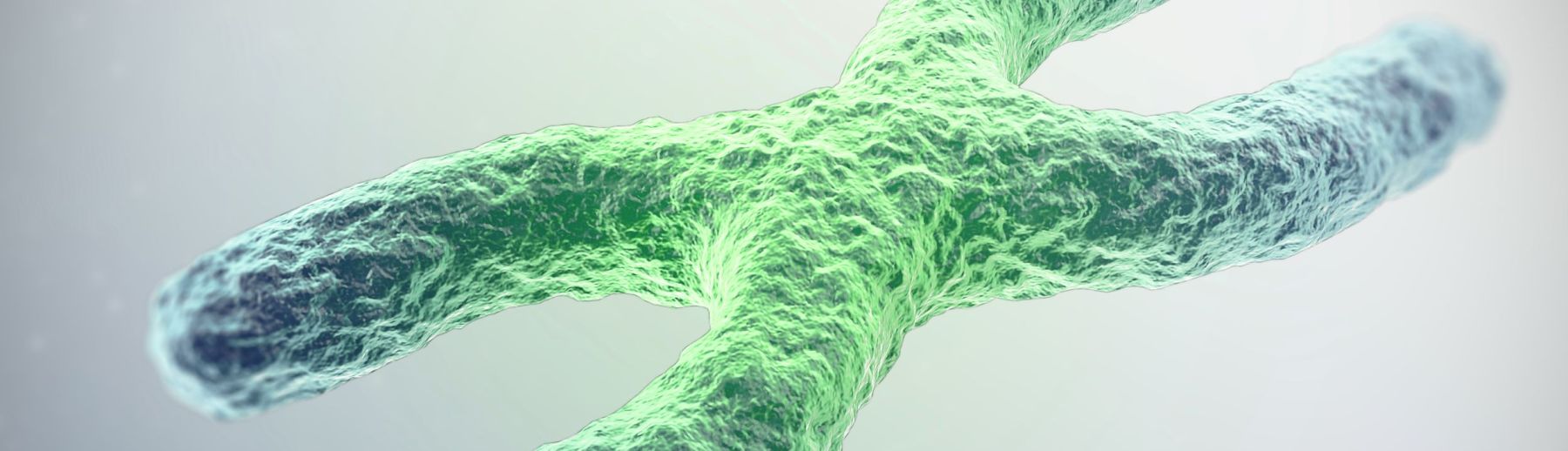
- Telomere shortening: Telomeres are protective caps on chromosomes that shorten with each cell division. When they become too short, cells stop dividing and may die.
- Oxidative stress: Free radicals, unstable molecules produced during normal metabolism, can damage cells and accelerate aging.
- Mitochondrial dysfunction: Mitochondria, the powerhouses of the cell, become less efficient over time, leading to energy depletion and cellular damage.
- DNA damage: Accumulated DNA errors can lead to mutations and increase the risk of cancer and other diseases.
For women, hormonal changes—such as those during menopause—can further impact these processes. Estrogen, for example, plays a role in protecting telomeres and supporting mitochondrial health.
Why Cellular Longevity Matters for Women

Women have unique biological needs when it comes to aging. Hormonal shifts, reproductive health, and even genetic predispositions influence how we experience aging. Here are some reasons why focusing on cellular longevity is particularly important for women:
- Hormonal balance: Estrogen and progesterone help regulate cellular repair and reduce inflammation. As these hormones decline with age, so does the body’s ability to maintain cellular health.
- Menopause and beyond: During menopause, the drop in estrogen can lead to increased oxidative stress and reduced mitochondrial efficiency. Supporting cellular longevity can help mitigate these effects.
- Longer lifespan: Women generally live longer than men, but this also means they are more likely to face age-related conditions such as osteoporosis, heart disease, and cognitive decline. Cellular longevity strategies can help reduce the risk of these issues.
Key Factors That Influence Cellular Longevity

While genetics play a role in how quickly we age, many factors are within our control. Here are some key elements that can enhance cellular longevity:
1. Diet and Nutrition
A diet rich in antioxidants, healthy fats, and fiber supports cellular health. Foods like berries, leafy greens, nuts, and fatty fish provide essential nutrients that combat oxidative stress and promote DNA repair.
- Antioxidants (e.g., vitamins C and E) neutralize free radicals.
- Omega-3 fatty acids support brain and cardiovascular health.
- Fiber aids digestion and reduces inflammation.
2. Exercise
Regular physical activity boosts mitochondrial function, improves insulin sensitivity, and enhances overall cellular resilience. Both aerobic and strength training exercises contribute to better cellular health.
3. Stress Management
Chronic stress accelerates cellular aging by increasing cortisol levels, which can damage DNA and shorten telomeres. Techniques like meditation, yoga, and deep breathing can help manage stress and protect cellular health.
4. Sleep
Quality sleep is essential for cellular repair and regeneration. During sleep, the body clears out waste products from the brain and repairs damaged cells. Aim for 7–9 hours of restful sleep each night.
Practical Tips for Enhancing Cellular Longevity

Here are some actionable steps you can take to support your cellular health:
- Stay hydrated: Water helps flush out toxins and supports cellular function.
- Limit processed foods: Processed foods high in sugar and unhealthy fats can increase inflammation and oxidative stress.
- Consider supplements: NAD+ precursors, such as NMN or NR, may support mitochondrial health. Always consult a healthcare provider before starting any supplement regimen.
- Practice mindfulness: Mindfulness techniques can reduce stress and improve mental clarity, which indirectly supports cellular health.
The Role of Research and Innovation

Scientific advancements are making it easier to understand and influence cellular longevity. Researchers are exploring new ways to slow down aging through:
- Telomerase activation: While not yet safe for widespread use, studies on telomerase show promise in extending cell lifespan.
- Senolytics: Drugs that target and eliminate senescent cells are being tested for their potential to reverse aging.
- Epigenetic reprogramming: Scientists are looking into ways to reset cellular "clocks" without altering DNA, potentially reversing some aspects of aging.
These innovations offer hope for the future, but it’s important to approach them with caution and rely on evidence-based approaches.
Conclusion
Understanding cellular longevity is more than just a scientific curiosity—it’s a powerful tool for improving health and quality of life. For women, who face unique biological challenges as they age, taking proactive steps to support cellular health can make a significant difference. From diet and exercise to stress management and sleep, there are numerous ways to nurture your cells and extend your healthspan.
By staying informed and making conscious choices, you can empower yourself to age gracefully and live a vibrant, healthy life. Remember, longevity isn’t just about living longer—it’s about living better. With the right knowledge and habits, you can take control of your cellular health and embrace the full potential of your years.

Post a Comment for "Understanding Cellular Longevity for Women: Key Factors and Benefits"
Post a Comment