Understanding the Benefits of Deep Brain Stimulation: A Comprehensive Guide
Deep brain stimulation (DBS) has emerged as a groundbreaking treatment for a variety of neurological and psychiatric conditions. This innovative therapy involves implanting electrodes in specific areas of the brain to modulate abnormal neural activity, offering relief from symptoms that often resist traditional treatments. As medical technology continues to evolve, DBS is becoming an increasingly viable option for patients seeking long-term symptom management and improved quality of life. In this article, we will explore the benefits of deep brain stimulation, its applications, and what patients can expect from this transformative procedure.
What Is Deep Brain Stimulation?

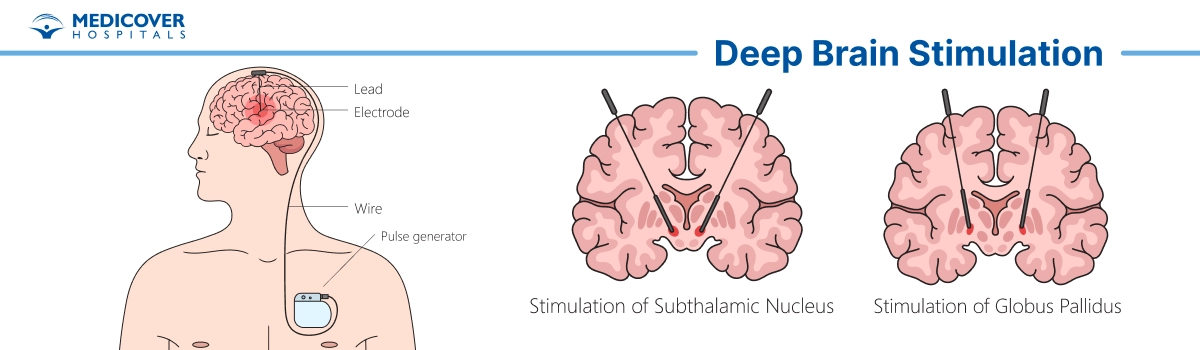
Deep brain stimulation is a neurosurgical procedure that involves the implantation of a device known as a neurostimulator, often referred to as a "brain pacemaker." This device sends electrical impulses to targeted areas of the brain, helping to regulate abnormal brain activity. The procedure is commonly used to treat movement disorders such as Parkinson’s disease, essential tremor, and dystonia, but it also shows promise in managing mental health conditions like obsessive-compulsive disorder (OCD) and treatment-resistant depression.
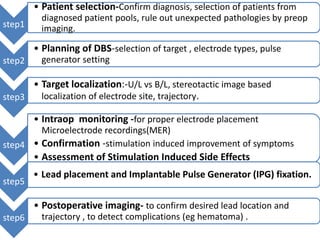
The process begins with a detailed neurological assessment to identify the specific brain regions that need stimulation. Once the target areas are determined, electrodes are implanted, and the neurostimulator is placed under the skin, typically in the chest area. Patients can then adjust the stimulation settings using a handheld programmer, allowing for personalized treatment plans.
Key Benefits of Deep Brain Stimulation

-
Symptom Relief in Parkinson’s Disease
One of the most well-documented benefits of DBS is its effectiveness in treating Parkinson’s disease. For patients with advanced Parkinson’s, DBS can significantly reduce motor symptoms such as tremors, rigidity, and bradykinesia (slowness of movement). Studies have shown that DBS can improve motor function by up to 70%, allowing patients to regain independence and perform daily tasks more easily. -
Reduction in Medication Dependency
Many patients with Parkinson’s disease rely heavily on medications like levodopa to manage their symptoms. However, over time, these medications can lead to side effects such as dyskinesia (involuntary movements). DBS helps reduce the need for high doses of medication, thereby minimizing these side effects and improving overall quality of life. -
Improved Quality of Life
Beyond physical symptoms, DBS has been shown to enhance emotional and psychological well-being. Patients often report feeling more confident, less anxious, and more engaged in daily activities. This holistic improvement contributes to a better quality of life, making DBS a valuable treatment option for those struggling with chronic conditions. -
Adjustable and Reversible Treatment
One of the unique advantages of DBS is its adjustability. The stimulation parameters can be fine-tuned over time to meet the changing needs of the patient. Additionally, the procedure is reversible, meaning that if a patient no longer benefits from DBS or experiences complications, the device can be removed without permanent damage to the brain. -
Treatment for Other Conditions
While DBS is most commonly associated with Parkinson’s disease, it is also being explored for other conditions, including essential tremor, dystonia, OCD, and treatment-resistant depression. Early studies suggest that DBS may offer significant relief for patients who have not responded to traditional therapies.
Real-World Applications and Success Stories
The impact of DBS can be seen in the lives of countless patients who have benefited from this treatment. For example, consider the case of John, a 65-year-old man diagnosed with Parkinson’s disease. After years of relying on medication, John began experiencing severe dyskinesia and was unable to perform basic tasks. Following DBS surgery, he noticed a dramatic improvement in his motor function and was able to resume activities he had long abandoned, such as gardening and playing golf.
Similarly, Sarah, a 42-year-old woman with treatment-resistant depression, found little relief from antidepressants and psychotherapy. After undergoing DBS, she reported a significant reduction in her depressive symptoms and a renewed sense of hope. These real-life examples highlight the transformative potential of DBS.
Considerations and Risks
While DBS offers numerous benefits, it is not without risks. The procedure involves surgery, which carries the risk of infection, bleeding, and other complications. Additionally, some patients may experience side effects such as headaches, dizziness, or changes in mood. It is important for patients to discuss these risks with their healthcare provider and weigh them against the potential benefits.
Another consideration is the cost of DBS. The procedure can be expensive, and insurance coverage varies depending on the patient’s condition and location. However, for many patients, the long-term benefits of DBS outweigh the initial costs, especially when considering the reduction in medication expenses and improved quality of life.
The Future of Deep Brain Stimulation
As research into DBS continues to advance, new applications and improvements are emerging. Scientists are exploring ways to refine the targeting of brain regions and develop more sophisticated devices that can adapt to a patient’s needs in real-time. Additionally, there is growing interest in using DBS for conditions such as Alzheimer’s disease and epilepsy, further expanding its potential impact on neurological care.
With ongoing advancements in technology and a deeper understanding of brain function, DBS is poised to become an even more effective and accessible treatment option for a wide range of conditions.
Conclusion
Deep brain stimulation represents a major breakthrough in the treatment of neurological and psychiatric disorders. Its ability to provide long-term symptom relief, reduce medication dependency, and improve quality of life makes it a valuable option for patients who have exhausted other treatment approaches. While there are risks and considerations involved, the benefits of DBS are undeniable, and its future holds great promise for even more patients in need.
If you or a loved one is considering DBS, it is essential to consult with a qualified neurologist or neurosurgeon to determine if this treatment is right for you. With the right guidance and support, DBS can be a life-changing intervention that restores independence and improves overall well-being.

Post a Comment for "Understanding the Benefits of Deep Brain Stimulation: A Comprehensive Guide"
Post a Comment