Top Natural Anxiety Reduction Strategies for Lasting Relief
Anxiety is a common challenge that affects millions of people in the United States. Whether it’s due to stress, life transitions, or underlying health issues, anxiety can significantly impact daily life. While medication and therapy are often recommended, many individuals are turning to natural anxiety reduction strategies as a safer, more holistic approach. These methods not only help manage symptoms but also promote long-term well-being. In this article, we’ll explore some of the most effective and evidence-based natural strategies to reduce anxiety.

1. Regular Exercise: A Powerful Tool for Anxiety Relief

Exercise is one of the most effective natural ways to combat anxiety. Physical activity releases endorphins, which are the body's natural mood boosters. Research shows that even a single session of moderate-intensity exercise, such as walking or cycling, can temporarily reduce anxiety symptoms. Over time, consistent exercise can lead to significant improvements in mental health.
The American Psychological Association recommends at least 150 minutes of moderate-intensity exercise per week. Activities like yoga, tai chi, and swimming are particularly beneficial because they combine physical movement with mindfulness, helping to calm the mind and reduce tension.
2. Chamomile: A Calming Herbal Remedy
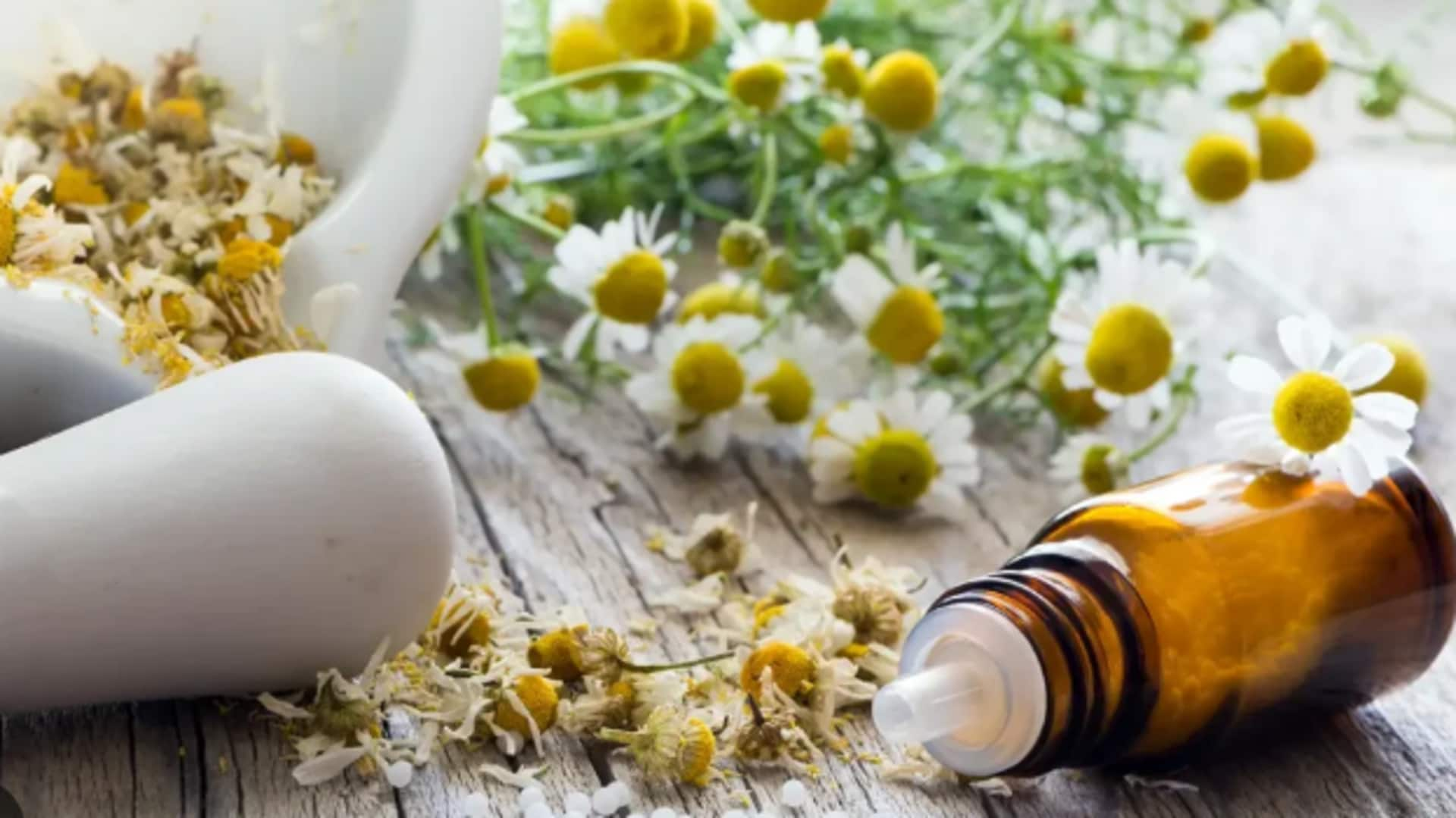
Chamomile has been used for centuries as a natural remedy for anxiety and insomnia. Studies suggest that chamomile extract may help ease symptoms of generalized anxiety disorder (GAD). One study found that participants who took three 500mg capsules of chamomile extract daily for several months experienced significant improvements in their anxiety levels.
Chamomile is generally safe when consumed in tea form or as a short-term supplement. However, it may interact with certain medications, such as blood thinners, so it’s important to consult with a healthcare provider before starting any new supplement.
3. Acupuncture: Ancient Practice for Modern Stress
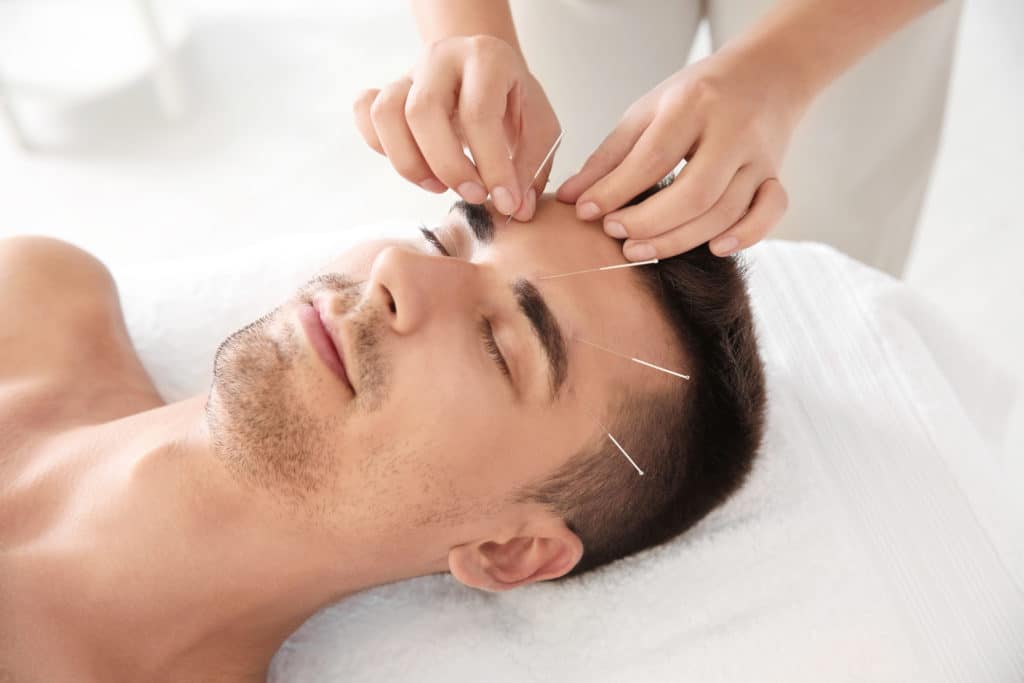
Acupuncture, an ancient Chinese practice, involves stimulating specific points on the body with fine needles. Research indicates that acupuncture can be an effective treatment for anxiety, especially during the first six weeks of treatment. A review of 20 studies found that acupuncture helped ease anxiety symptoms in people with GAD, often working faster than traditional anti-anxiety medications.
It’s essential to seek out a licensed and experienced acupuncturist to ensure safety and effectiveness. When performed correctly, acupuncture is generally considered safe and free from the side effects associated with many pharmaceutical treatments.
4. Mindfulness and Meditation: Cultivating Inner Peace
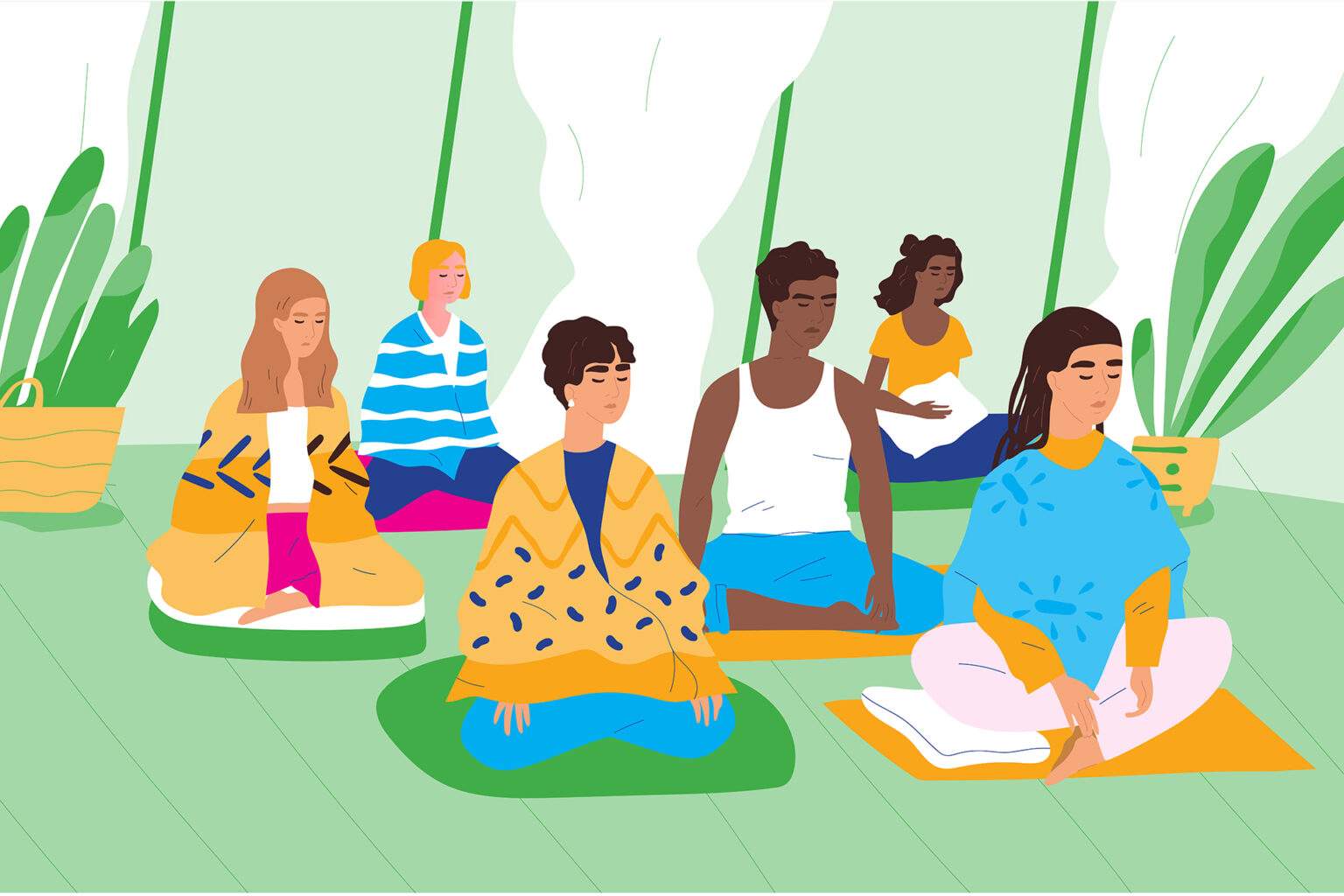
Mindfulness and meditation have gained popularity as powerful tools for reducing anxiety. These practices involve focusing on the present moment and cultivating a sense of calm. Studies show that regular meditation can reduce stress, improve emotional regulation, and enhance overall well-being.
Techniques such as deep breathing, guided visualization, and body scans can be practiced anywhere and at any time. Even just five minutes of meditation each day can make a noticeable difference in managing anxiety symptoms.
5. Omega-3 Fatty Acids: Nourishing the Brain

Omega-3 fatty acids, found in foods like salmon, flaxseeds, and chia seeds, play a crucial role in brain function and mood regulation. Research suggests that omega-3 supplementation may help reduce anxiety symptoms, particularly in individuals with diagnosed anxiety disorders.
These essential fats support the production of neurotransmitters that regulate mood and reduce inflammation. Incorporating omega-3-rich foods into your diet or taking a high-quality fish oil supplement can be a simple yet effective way to support mental health.
6. B Vitamins: Supporting Mental Health

B vitamins, particularly B6 and B12, are essential for maintaining a healthy nervous system and regulating mood. Low levels of these vitamins have been linked to increased anxiety and depression. Studies show that supplementation with B6 and B12 can help reduce anxiety symptoms and improve overall well-being.
Foods rich in B vitamins include leafy greens, eggs, dairy products, and whole grains. If you’re considering supplements, it’s best to consult with a healthcare provider to determine the right dosage for your needs.
7. Lavender: A Soothing Essential Oil

Lavender is widely known for its calming properties. Using lavender essential oil through aromatherapy or topical application can help reduce anxiety and promote relaxation. Research has shown that inhaling lavender can decrease anxiety levels, particularly before medical procedures or during stressful situations.
You can diffuse lavender oil in your home, add a few drops to a warm bath, or apply it directly to your wrists and temples. Its gentle scent can create a peaceful environment and help ease anxious thoughts.
8. Journaling: Processing Emotions and Reducing Stress

Journaling is a simple yet powerful tool for managing anxiety. Writing down your thoughts and feelings can help process emotions, gain clarity, and reduce stress. Studies have shown that positive affect journaling—focusing on gratitude and positive experiences—can significantly lower anxiety levels.
Whether you write in a notebook or use a digital app, setting aside time each day to reflect on your emotions can be a valuable part of your anxiety management routine.
9. Adequate Sleep: The Foundation of Mental Health

Sleep plays a critical role in mental health and anxiety management. Lack of sleep can exacerbate anxiety symptoms, while quality rest can help regulate mood and reduce stress. Aim for seven to nine hours of sleep each night, and establish a consistent bedtime routine to improve sleep quality.
Creating a relaxing sleep environment, avoiding screens before bed, and practicing relaxation techniques can all contribute to better sleep. If anxiety is interfering with your sleep, consider incorporating mindfulness or meditation into your nightly routine.
10. Limit Caffeine and Alcohol: Avoiding Stimulants
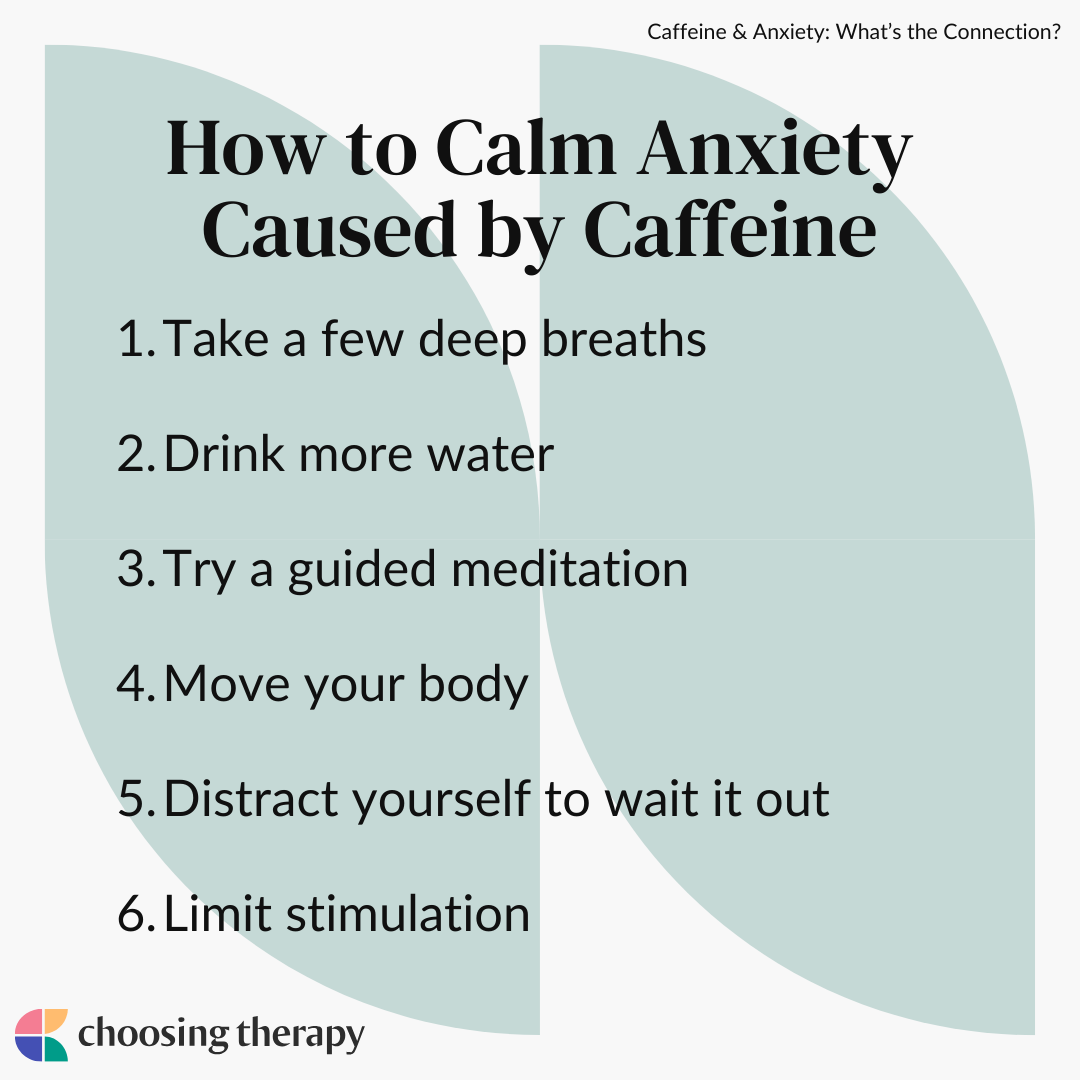
Caffeine and alcohol can worsen anxiety symptoms by increasing heart rate, causing jitteriness, and disrupting sleep patterns. Reducing or eliminating these substances can have a significant impact on your mental well-being.
If you're sensitive to caffeine, consider switching to herbal teas or decaf options. For alcohol, aim to limit consumption to one or two drinks per week, and avoid drinking before bedtime to prevent sleep disturbances.
Conclusion
Managing anxiety naturally requires a combination of lifestyle changes, self-care practices, and a deeper understanding of what works best for your body. From regular exercise and mindfulness to herbal remedies and dietary adjustments, there are numerous strategies to explore. The key is to find a balance that supports your mental and physical health without relying on medication.
Remember, natural anxiety reduction strategies are not a substitute for professional help if your symptoms are severe or persistent. Always consult with a healthcare provider before starting any new treatment or supplement regimen. By making small, consistent changes, you can take control of your anxiety and improve your overall quality of life.
[IMAGE: Natural anxiety reduction strategies for lasting relief]

Post a Comment for "Top Natural Anxiety Reduction Strategies for Lasting Relief"
Post a Comment