Top Foods That Help Reduce Chronic Inflammation and Improve Health
Chronic inflammation is a silent but powerful force that can impact your overall health in profound ways. It's not just about occasional aches and pains—it's a long-term condition that can lead to serious diseases like heart disease, diabetes, and even cancer. The good news? You have the power to influence this process through your diet. By making smart food choices, you can reduce chronic inflammation and boost your well-being. This article will explore the best foods to include in your diet and how they can help you achieve better health.
Understanding Chronic Inflammation
Inflammation is a natural response your body uses to fight off threats like infections or injuries. However, when it becomes chronic, it can wreak havoc on your system. Chronic inflammation is often linked to lifestyle factors such as poor diet, lack of exercise, and stress. Over time, it can damage your organs, weaken your immune system, and increase your risk of developing chronic illnesses.
The key to managing chronic inflammation lies in what you eat. Certain foods can trigger inflammation, while others can help calm it down. By understanding which foods to avoid and which to embrace, you can take proactive steps toward better health.
The Role of an Anti-Inflammatory Diet
An anti-inflammatory diet focuses on whole, unprocessed foods that support your body’s natural healing processes. Instead of relying on processed snacks and sugary drinks, this approach emphasizes fresh fruits, vegetables, lean proteins, and healthy fats.
Registered dietitian Julia Zumpano explains that while there's no one-size-fits-all solution, two popular eating styles—Mediterranean and DASH diets—have shown promise in reducing inflammation. These diets emphasize whole foods, healthy fats, and plenty of plant-based ingredients, all of which contribute to a more balanced and anti-inflammatory lifestyle.
Top Anti-Inflammatory Foods
Here are some of the most effective foods for reducing chronic inflammation:
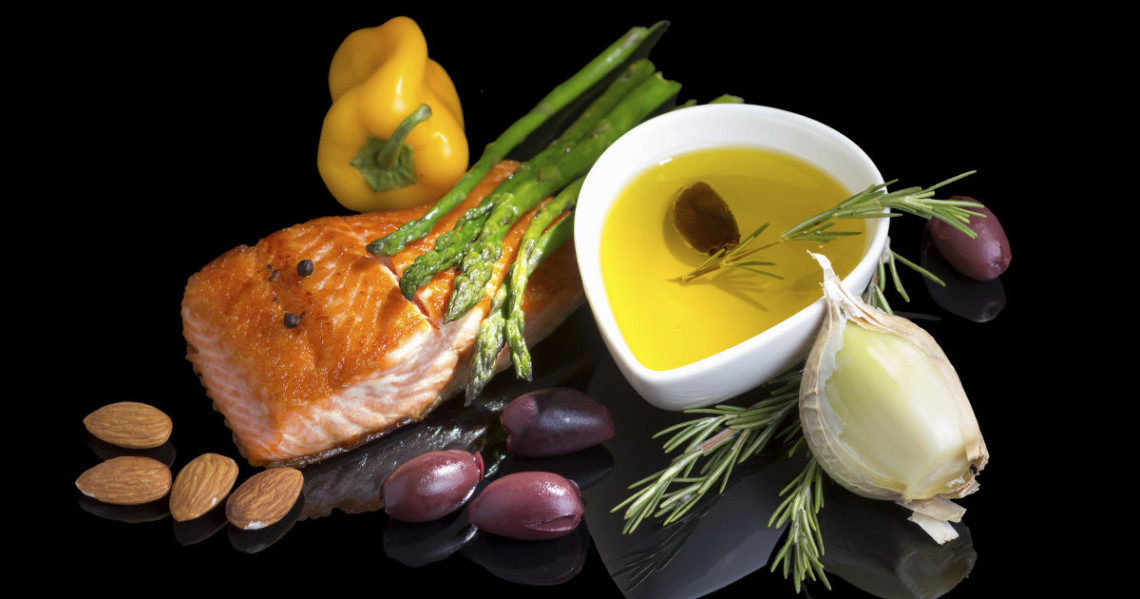
- Fatty Fish: Salmon, tuna, mackerel, and sardines are rich in omega-3 fatty acids, which have powerful anti-inflammatory properties.
- Leafy Greens: Spinach, kale, and other dark green vegetables are packed with antioxidants and vitamins that combat inflammation.
- Berries: Blueberries, strawberries, and raspberries contain high levels of antioxidants that protect your cells from damage.
- Turmeric: This spice contains curcumin, a compound known for its strong anti-inflammatory effects.
- Nuts and Seeds: Walnuts, flaxseeds, and chia seeds are excellent sources of healthy fats and fiber.
- Extra Virgin Olive Oil: A staple in the Mediterranean diet, this oil is rich in monounsaturated fats and antioxidants.
- Garlic and Ginger: These natural ingredients have been used for centuries for their anti-inflammatory and immune-boosting properties.
Including these foods in your daily meals can help you maintain a balanced inflammatory response and support long-term health.
Foods to Avoid
While certain foods can help reduce inflammation, others can make it worse. Here are some common culprits to watch out for:
- Processed Meats: Sausages, hot dogs, and deli meats are often loaded with preservatives and unhealthy fats.
- Sugary Drinks: Soda, energy drinks, and sports drinks can spike your blood sugar and trigger inflammation.
- Refined Grains: White bread, white rice, and pastries are high in simple carbohydrates that can cause inflammation.
- Fried Foods: French fries, fried chicken, and other deep-fried items are high in unhealthy fats and additives.
- Dairy Products: While not everyone reacts to dairy, it can be a source of inflammation for those with sensitivities.
By limiting these foods, you can create a more balanced diet that supports your body's natural ability to manage inflammation.
Practical Tips for an Anti-Inflammatory Lifestyle
Adopting an anti-inflammatory diet doesn’t mean you have to completely overhaul your eating habits overnight. Here are a few practical tips to get started:
- Read Labels: Check ingredient lists for hidden sugars, artificial additives, and processed oils.
- Cook at Home: Preparing your own meals allows you to control what goes into your food and avoid unnecessary additives.
- Stay Hydrated: Drinking plenty of water helps flush out toxins and supports overall health.
- Moderate Portions: Even healthy foods can contribute to inflammation if consumed in excess.
- Be Mindful of Sensitivities: Pay attention to how your body reacts to certain foods and adjust accordingly.
Remember, small changes can lead to big results over time. Start by making one or two adjustments and gradually build from there.
Real-Life Examples and Success Stories
Many people have experienced significant improvements in their health by adopting an anti-inflammatory diet. For example, individuals with arthritis often report reduced joint pain and increased mobility after eliminating inflammatory foods from their diet. Others with digestive issues find relief by focusing on whole, unprocessed foods and avoiding triggers like gluten and dairy.
These success stories highlight the importance of personalizing your diet based on your unique needs and responses. What works for one person may not work for another, so it's essential to pay attention to your body and make adjustments as needed.
Conclusion
Reducing chronic inflammation through diet is a powerful way to improve your health and quality of life. By choosing the right foods and avoiding those that trigger inflammation, you can support your body's natural healing processes and lower your risk of chronic illness. Remember, the journey to better health is a gradual one, and consistency is key. With the right approach, you can enjoy a more vibrant, energetic life and feel your best every day.

Post a Comment for "Top Foods That Help Reduce Chronic Inflammation and Improve Health"
Post a Comment