Top Diet Strategies for Maintaining Stable Glucose Levels
If you're looking to keep your blood sugar levels steady, you're not alone. Millions of people in the United States are navigating the challenges of glucose management, whether they have diabetes or are simply trying to improve their overall health. The good news is that with the right diet strategies, maintaining stable glucose levels is entirely achievable. This article will explore practical, science-backed methods to help you regulate your blood sugar naturally and sustainably.
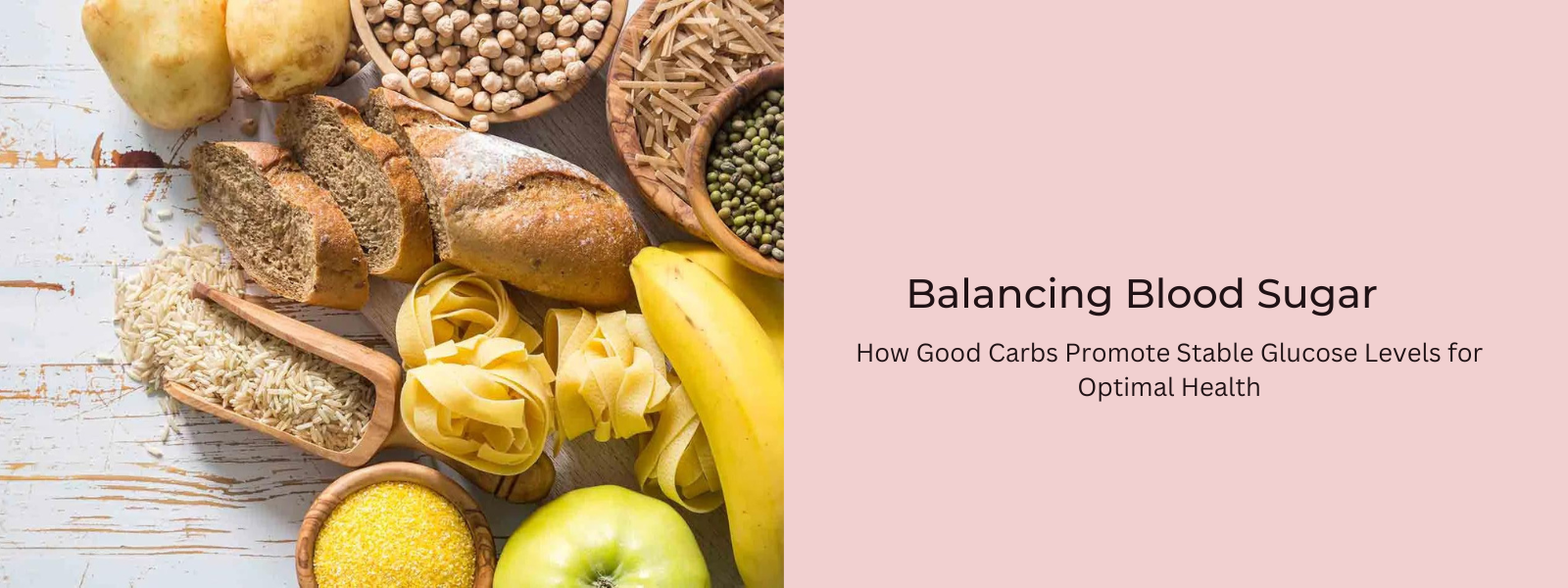
Understanding the Importance of Stable Glucose

Stable glucose levels are more than just a health goal—they're essential for feeling your best every day. When your blood sugar fluctuates too much, it can lead to fatigue, irritability, and even long-term health complications like heart disease and kidney damage. On the flip side, keeping your glucose levels balanced can boost energy, support mental clarity, and reduce the risk of chronic conditions.
The key to achieving this balance lies in your diet. What you eat directly impacts how your body processes glucose, making food choices one of the most powerful tools you have. By adopting smart eating habits, you can take control of your health without drastic restrictions or extreme diets.
1. Prioritize High-Protein Foods

Protein is a game-changer when it comes to blood sugar regulation. It slows digestion, which helps prevent rapid spikes in glucose. Studies show that including protein in meals can significantly reduce post-meal blood sugar spikes, especially when paired with carbohydrates.
Some top protein sources include:
- Lean meats (chicken, turkey, lean beef)
- Fish (salmon, tuna, trout)
- Eggs
- Greek yogurt
- Legumes (lentils, chickpeas, black beans)
For example, a meal with grilled chicken and a side of quinoa will keep you full longer and prevent blood sugar crashes compared to a carb-heavy meal.
2. Emphasize Fiber-Rich Foods

Fiber is another critical player in glucose stability. It helps slow the absorption of sugar into the bloodstream, preventing sudden spikes. A high-fiber diet also supports gut health, which is closely linked to insulin sensitivity.
Foods rich in fiber include:
- Non-starchy vegetables (broccoli, spinach, zucchini)
- Whole grains (oats, brown rice, quinoa)
- Nuts and seeds (almonds, chia seeds, flaxseeds)
- Fruits (apples, berries, pears)
Aim to include at least 25–30 grams of fiber per day. Start by swapping refined grains for whole grains and adding more veggies to your meals.
3. Incorporate Healthy Fats

Healthy fats play a vital role in stabilizing blood sugar. They help slow the release of glucose into the bloodstream and improve insulin sensitivity. Not all fats are created equal, so focus on unsaturated fats found in:
- Avocados
- Olive oil
- Nuts
- Seeds
- Fatty fish (salmon, mackerel)
For instance, adding a handful of almonds to your salad or using avocado as a spread on whole-grain toast can make a big difference in how your body handles glucose.
4. Choose Low-Glycemic Index Foods

The glycemic index (GI) measures how quickly a food raises your blood sugar. Opting for low-GI foods—such as oats, legumes, and non-starchy vegetables—can help maintain steady glucose levels throughout the day.
Examples of low-GI foods include:
- Steel-cut oats
- Lentils
- Sweet potatoes
- Berries
- Leafy greens
Avoid high-GI foods like white bread, sugary snacks, and processed cereals, which can cause sharp spikes and crashes in blood sugar.
5. Balance Carbs with Protein and Fat
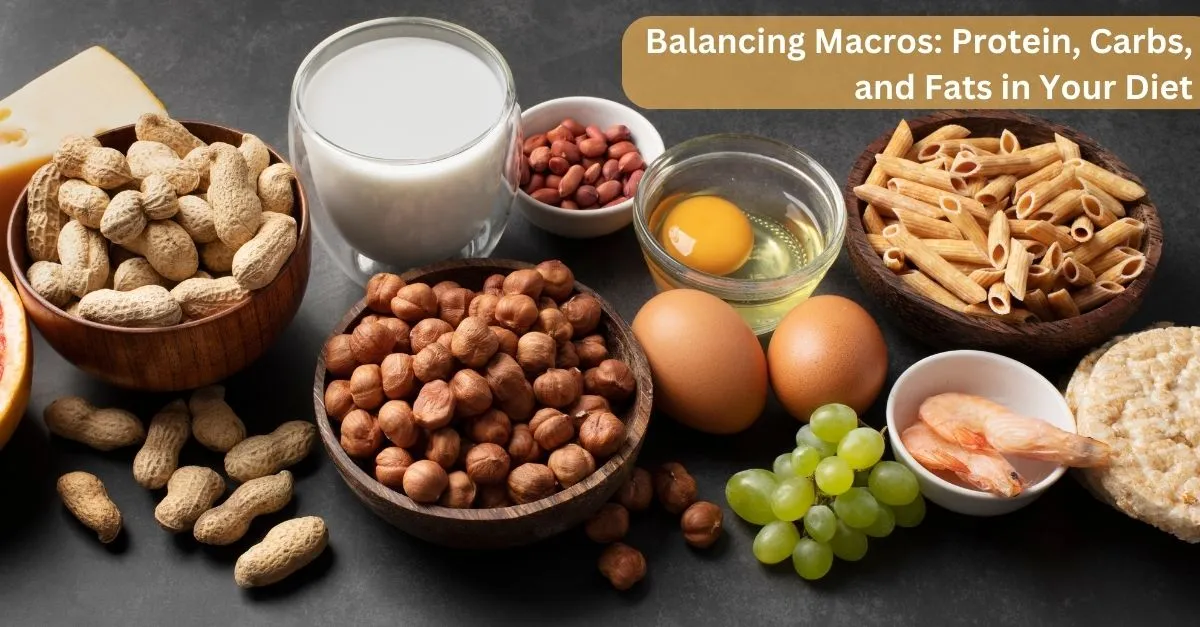
When you do consume carbohydrates, pairing them with protein and healthy fats can help mitigate their impact on blood sugar. This strategy prevents rapid spikes and keeps you feeling satisfied longer.
For example:
- Have a bowl of oatmeal with a spoonful of peanut butter and a boiled egg.
- Pair a slice of whole-grain bread with avocado and a hard-boiled egg.
This approach not only supports glucose stability but also enhances satiety and nutrient intake.
6. Stay Hydrated

Drinking enough water is often overlooked but plays a crucial role in glucose regulation. Dehydration can affect how your body processes sugar, leading to fluctuations in blood sugar levels.
In addition to water, consider unsweetened teas or herbal infusions. Avoid sugary drinks, which can cause immediate spikes in glucose.
7. Limit Processed and Sugary Foods

Processed foods and added sugars are major contributors to blood sugar instability. These items are often high in refined carbs and low in nutrients, making them detrimental to glucose control.
To improve your diet:
- Read labels carefully and avoid products with added sugars.
- Limit fast food, candy, and baked goods.
- Choose whole, unprocessed foods whenever possible.
By reducing your intake of these foods, you’ll give your body a better chance to maintain stable glucose levels.
8. Use Herbs and Spices
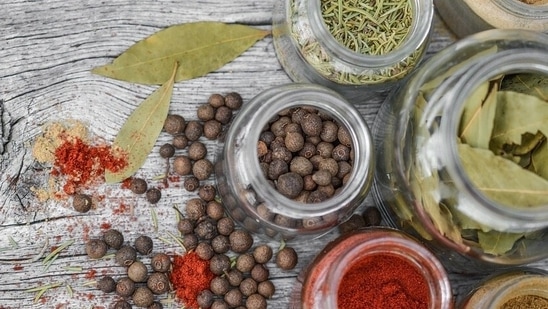
Herbs and spices aren’t just for flavor—they can also support blood sugar regulation. Cinnamon, for example, has been shown to improve insulin sensitivity, while turmeric contains compounds that may help reduce inflammation and support metabolic health.
Try adding these to your meals:
- Cinnamon to oatmeal or coffee
- Turmeric to roasted vegetables or smoothies
- Garlic and ginger to soups and stir-fries
These small additions can make a big difference in your overall glucose management.
9. Plan and Prep Your Meals

Meal planning is a powerful tool for maintaining stable glucose levels. By preparing meals in advance, you can avoid impulsive food choices and ensure you’re eating balanced, nutritious meals consistently.
Tips for effective meal prep:
- Batch-cook grains, proteins, and vegetables.
- Use a variety of ingredients to keep meals interesting.
- Store meals in portion-controlled containers for easy access.
With a little effort, you can create a sustainable routine that supports your health goals.
10. Stay Active

While diet is a cornerstone of glucose management, physical activity is equally important. Exercise improves insulin sensitivity, helping your body use glucose more efficiently.
Aim for at least 150 minutes of moderate-intensity exercise per week, such as walking, cycling, or swimming. Even short bursts of activity, like a 10-minute walk after meals, can have a positive impact on your blood sugar levels.
Conclusion
Maintaining stable glucose levels doesn’t require a drastic overhaul of your lifestyle. By incorporating simple, evidence-based diet strategies, you can take control of your health and feel your best every day. From choosing the right foods to staying active and planning your meals, there are countless ways to support your body’s natural ability to regulate blood sugar.
Remember, consistency is key. Small, sustainable changes over time can lead to lasting results. Whether you're managing diabetes or simply looking to improve your overall well-being, the strategies outlined in this article provide a solid foundation for achieving stable glucose levels and long-term health.

Post a Comment for "Top Diet Strategies for Maintaining Stable Glucose Levels"
Post a Comment